SECOND UNIT How the dangerous part gets made
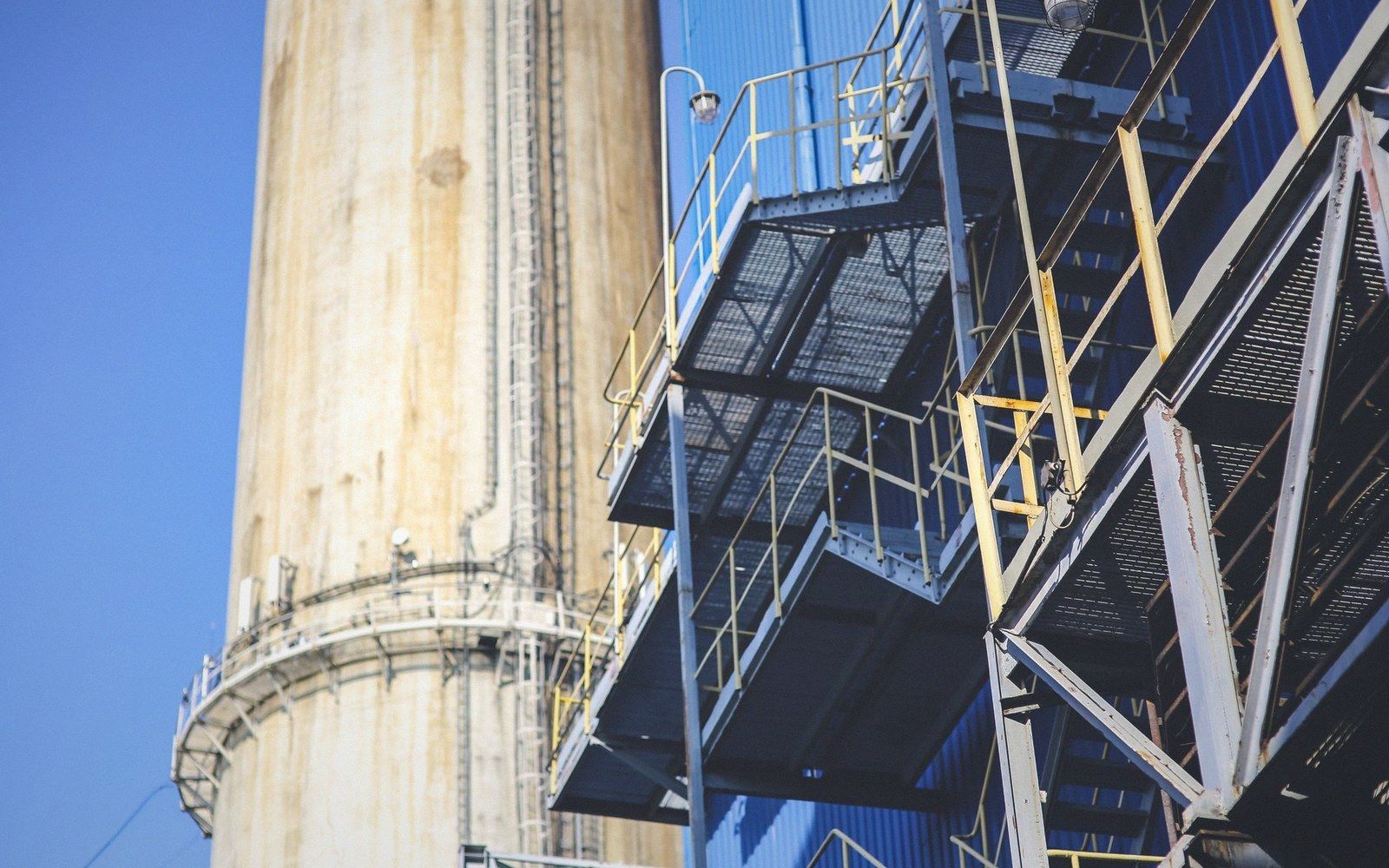
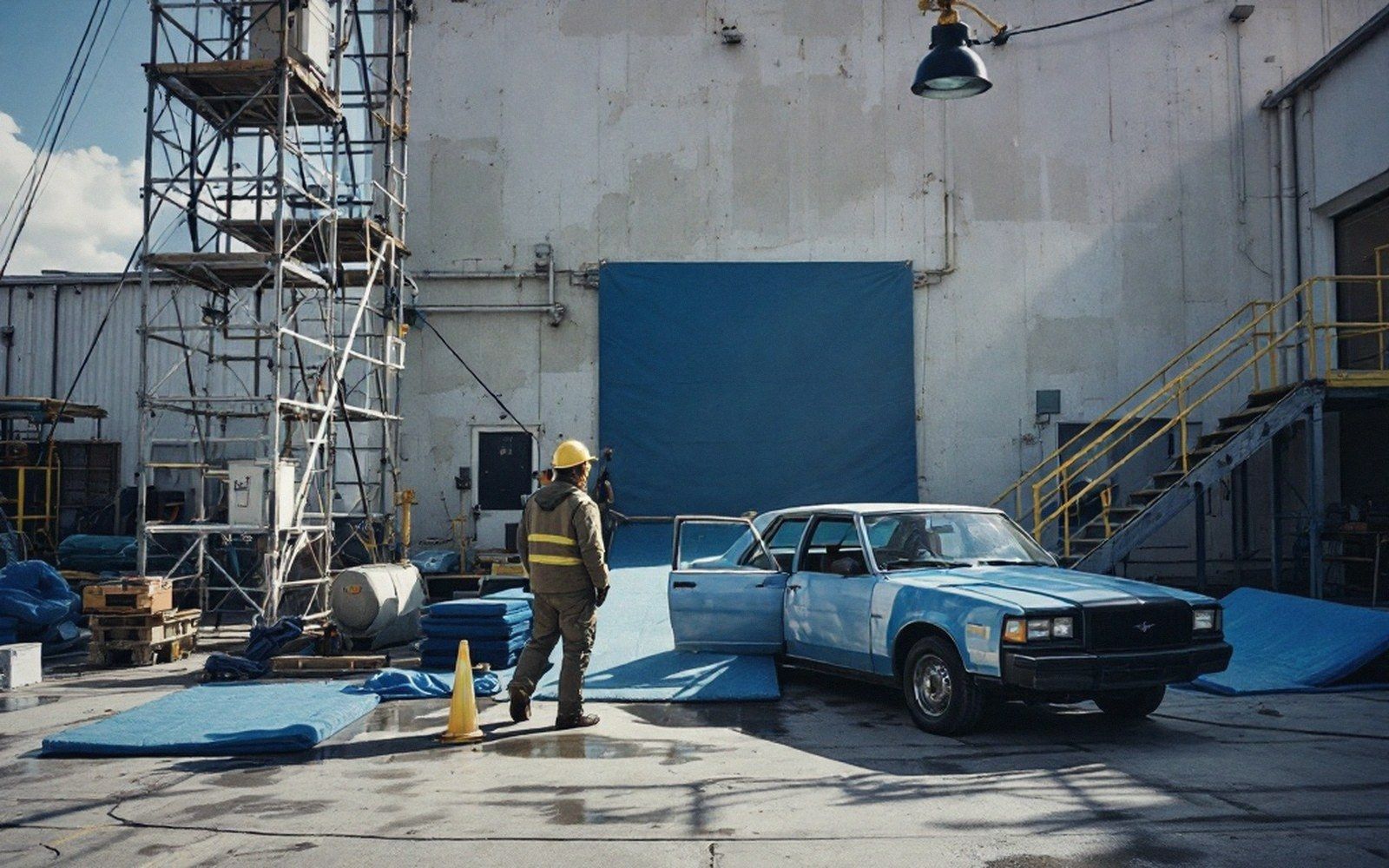
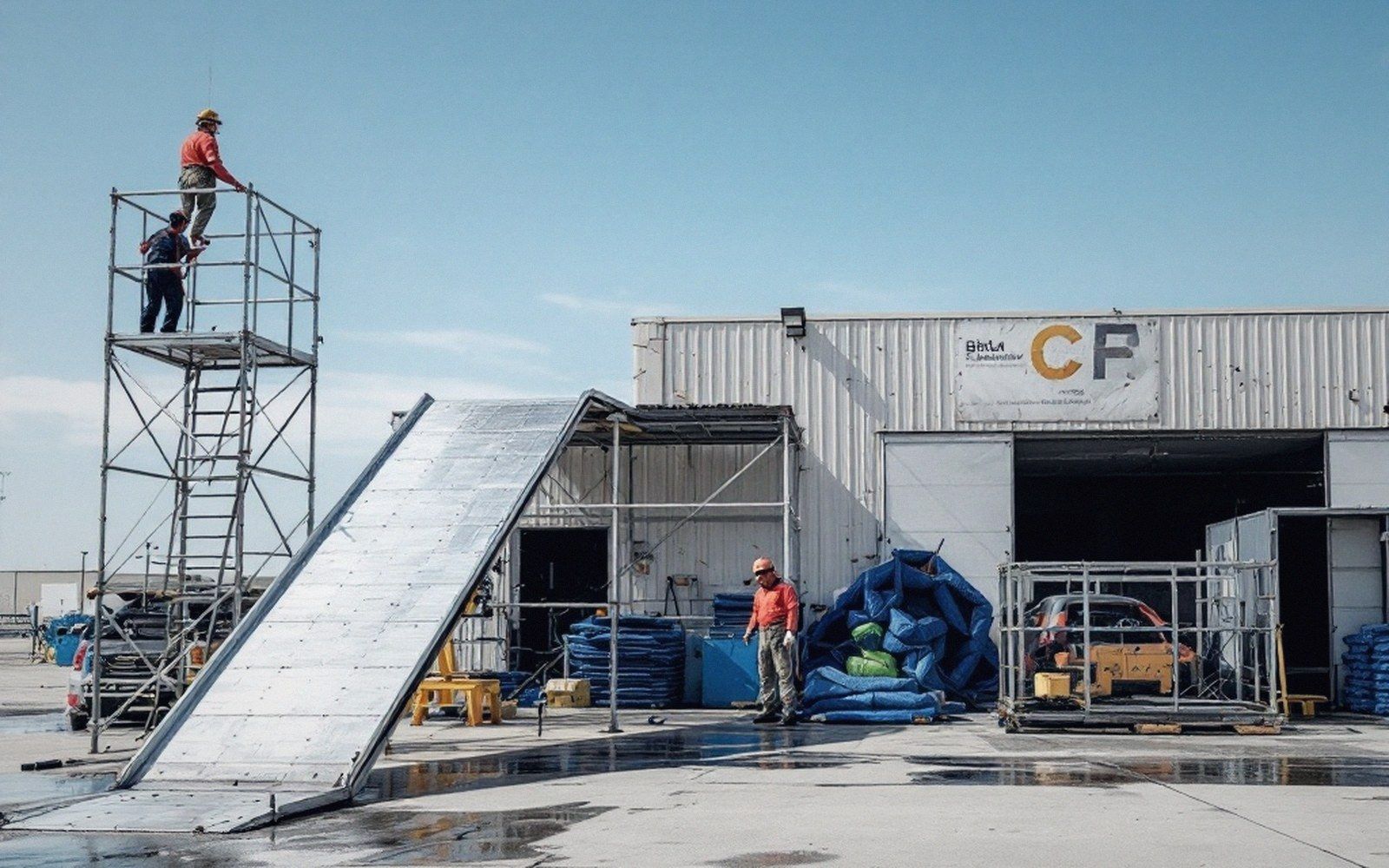
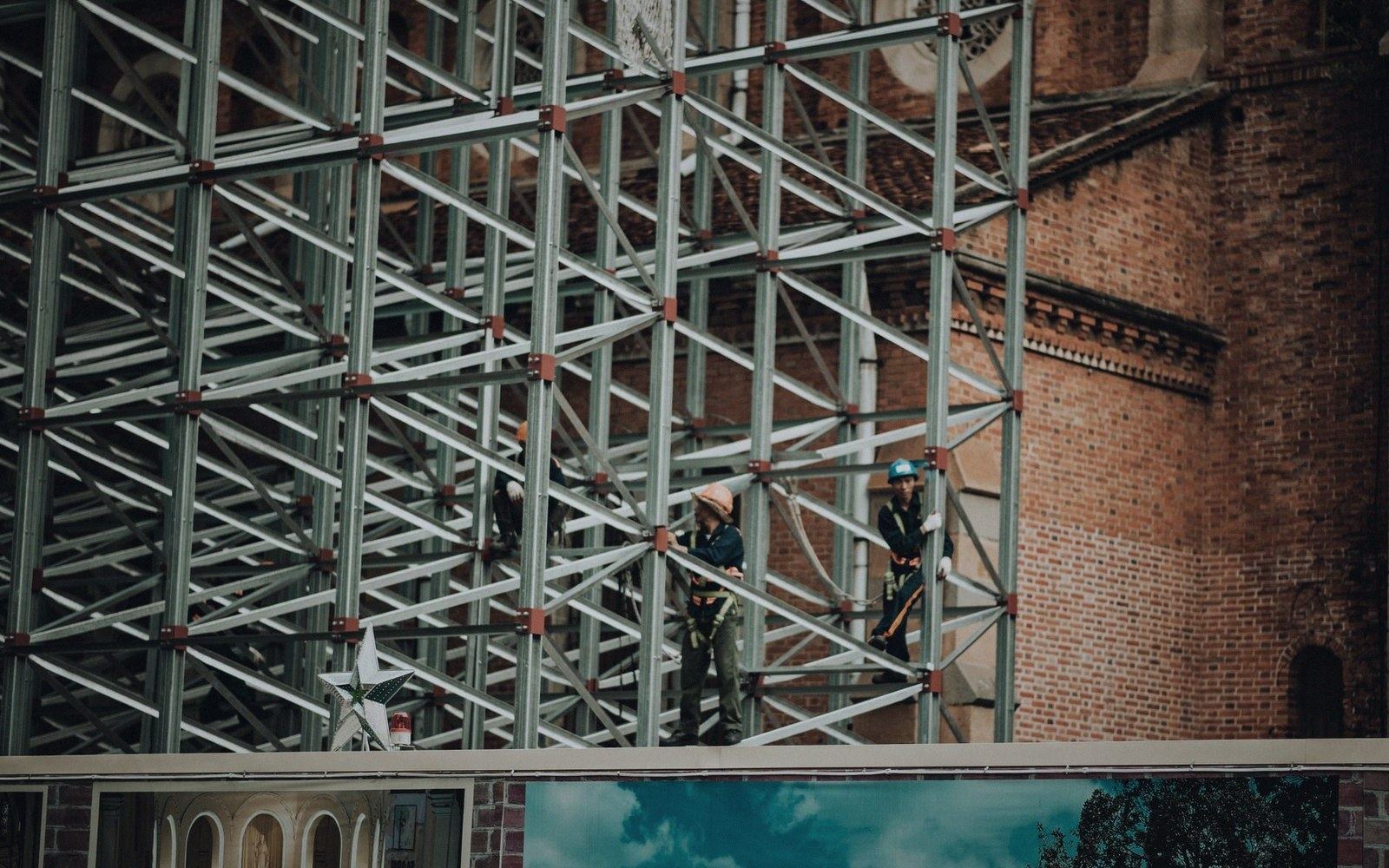
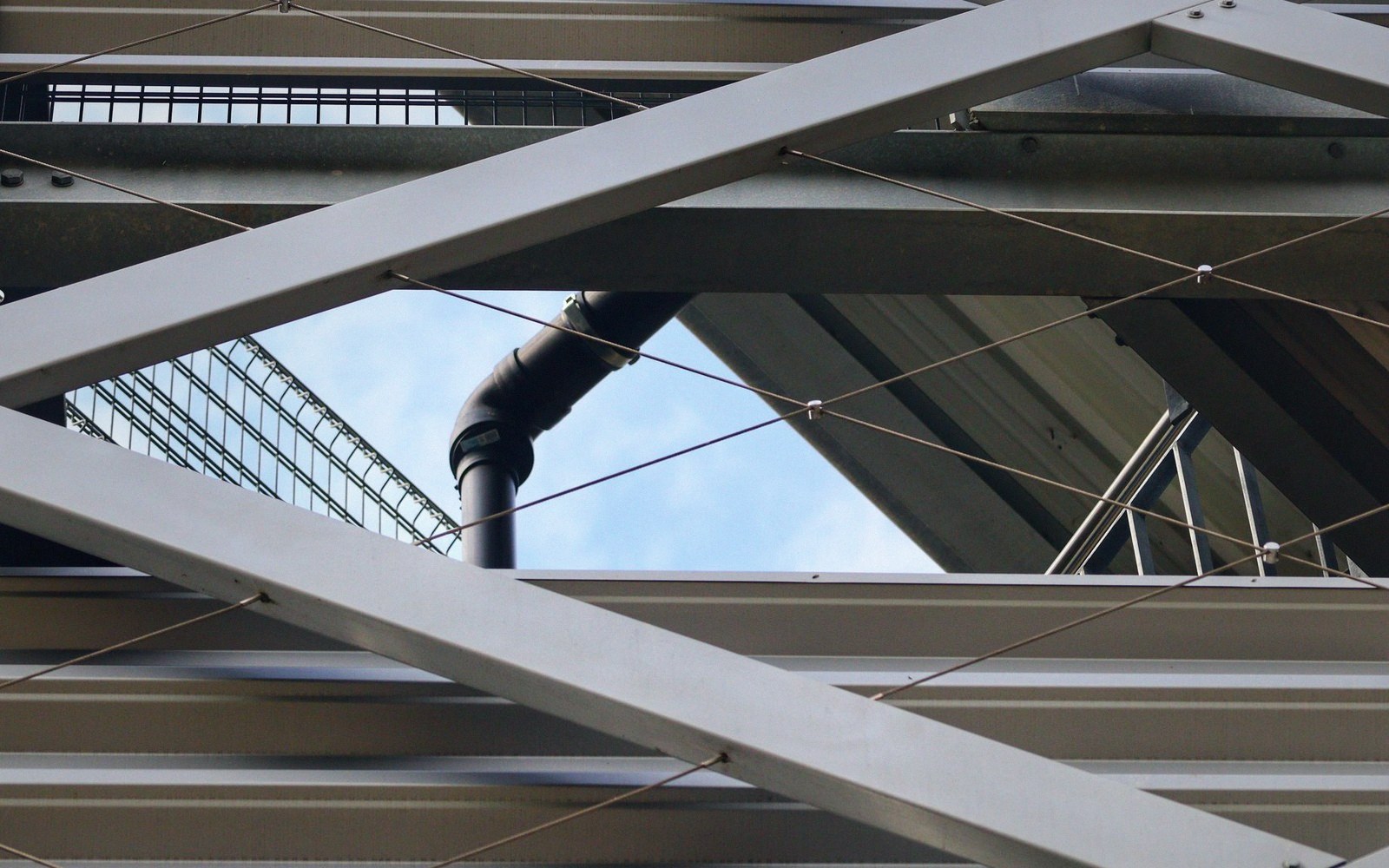
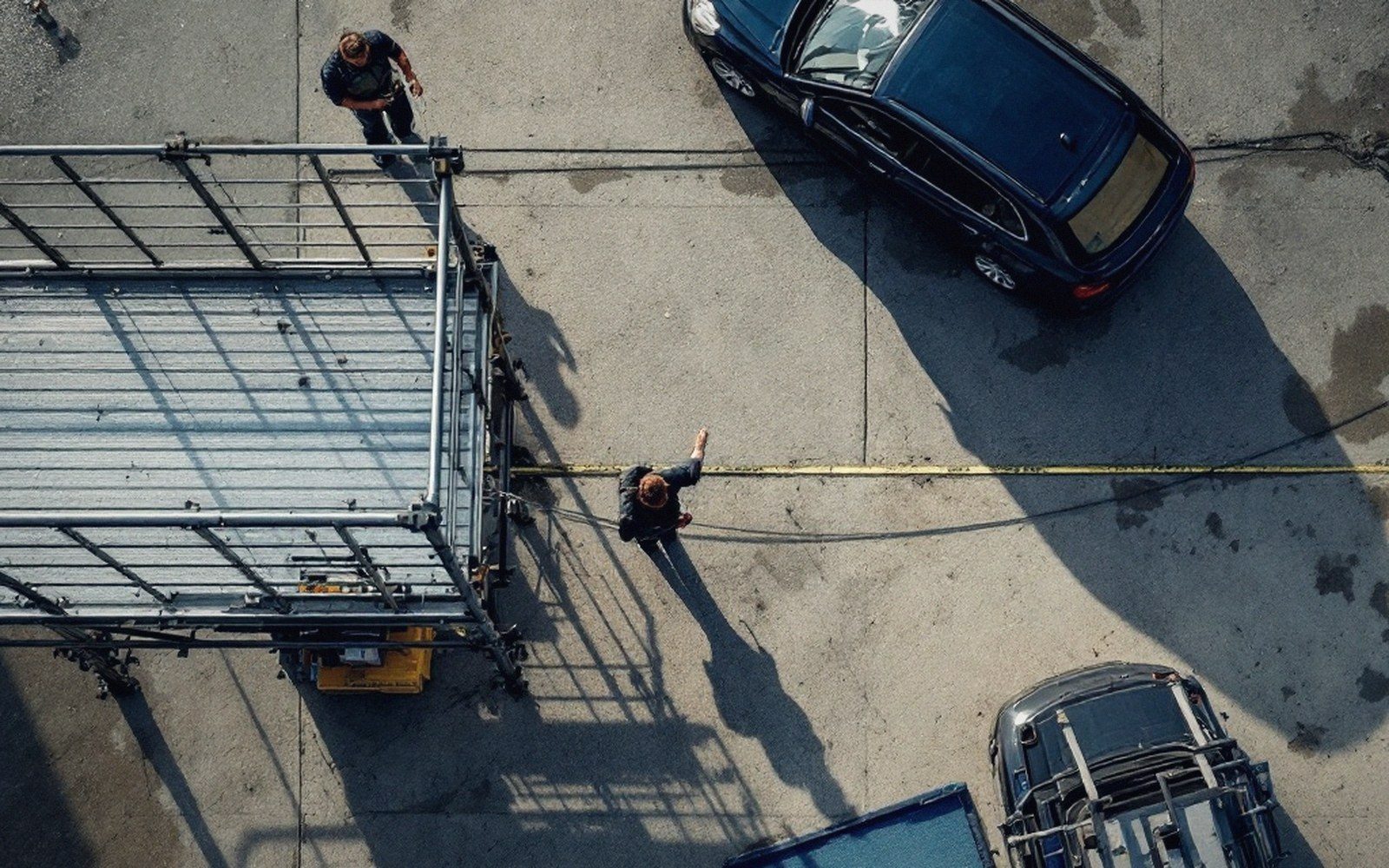
A galvanised scaffold tower against open sky on a backlot, blue matting stacked in its shade

Falls · The lead entry

A High Fall Is a Machine You Land Inside

Sixty feet is two seconds; the job is the six days before it. The breakdown, the rehearsal at half height, the bag going up, and why the fall itself is the least interesting part of the operation.

By the Second Unit desk · Falls · 7 min read

Manages
Sixty feet of freefall
Turns it into
Velocity into a designed collapse
In the hands of
Coordinator and rigging team

The kit index

Every dangerous thing is held up by an object, and the object has a name

An inventory of the things that make the work survivable. Read across the index and the craft appears on its own, without a single anecdote about bravery. Filed by apparatus: what it manages, what it turns that force into, and whose hands it belongs to once the camera is running.

Two from the floor

The gag is written backwards from the moment it stops

Fire and vehicles are the two places where the whole build exists to make an ending predictable.

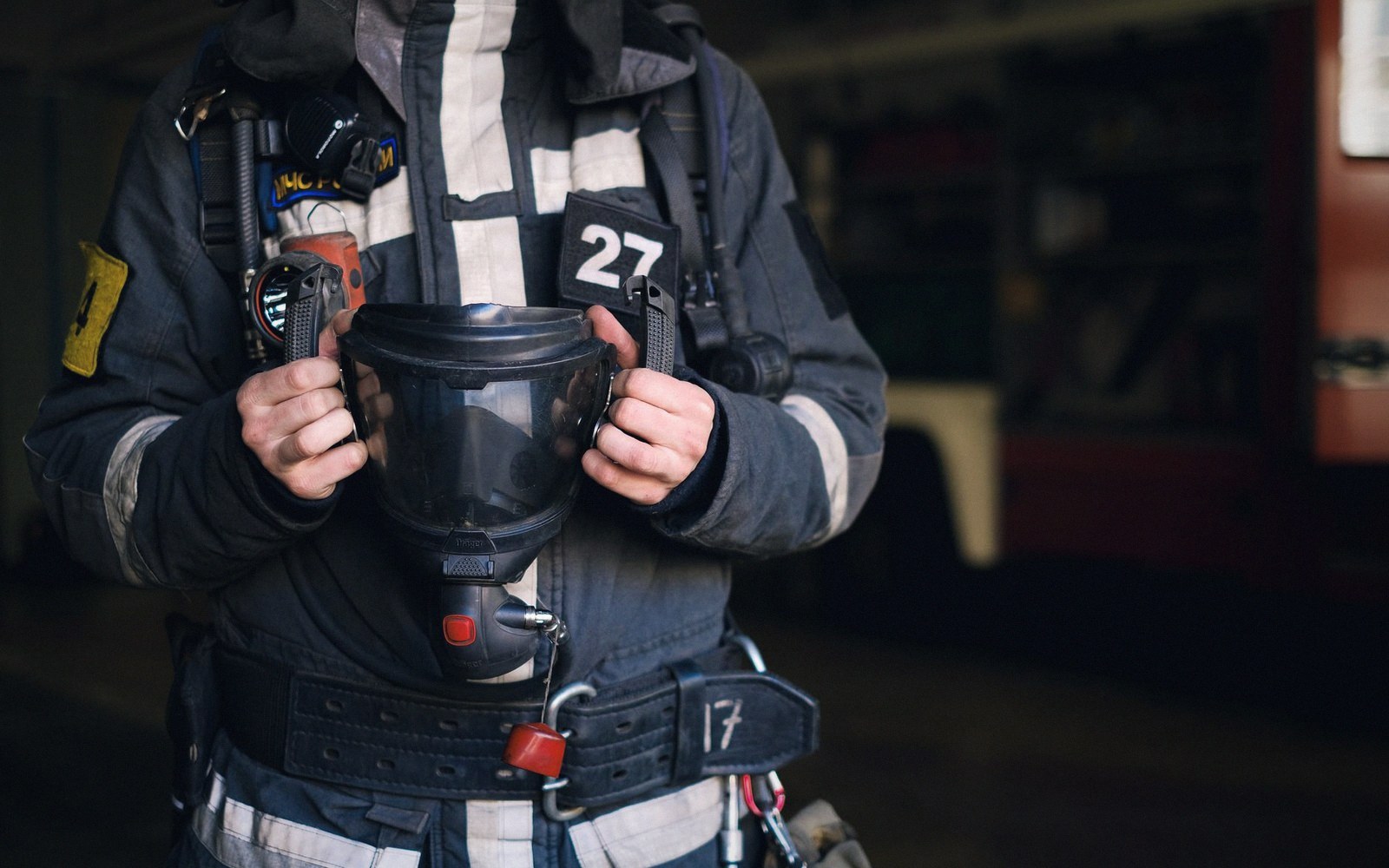
Firefighter in reflective gear holds a respirator mask against their chest

Fire

The Suit Buys Seconds, and the Count Is Agreed First

A fire gag is a timed operation with a hard ceiling measured in seconds. The layers, the cooling, the agreed count, and the fact that the end of the shot is planned before the start.

Manages
Heat load on the performer
Turns it into
Exposure into a counted window
In the hands of
Fire team and the performer

By the Second Unit desk · Fire · 6 min read

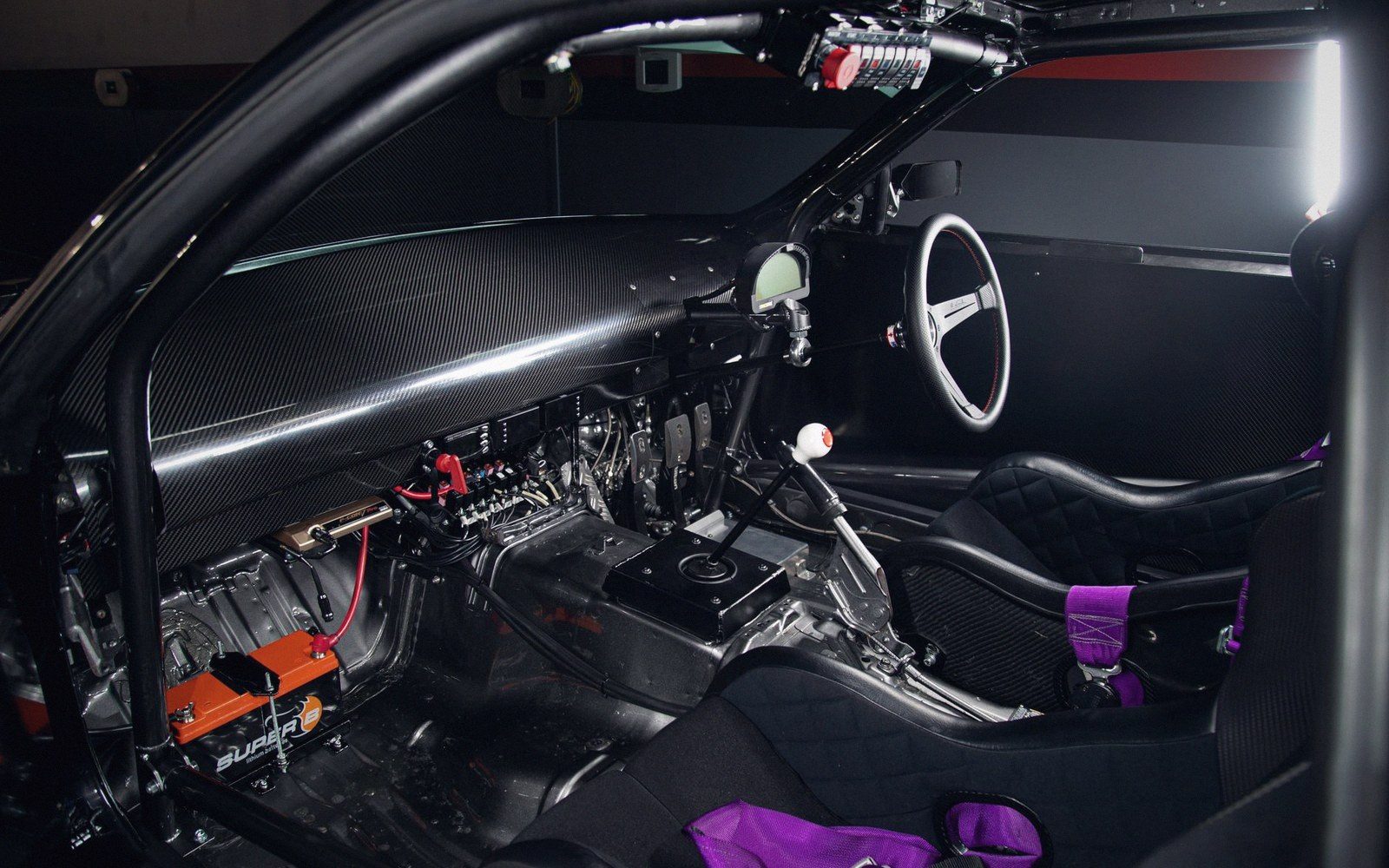
Stripped-down race car interior with roll cage, bucket seats and exposed wiring

Vehicles

A Car Prepared to Do One Thing, Once

Cage, harness, glass out, fuel cell, battery moved. What a picture car actually is by the time it rolls, and why it will never be a road car again.

Manages
Crash loads through a shell
Turns it into
A road car into a single-use rig
In the hands of
Picture-car fabricators

By the Second Unit desk · Vehicles · 3 min read

Also in the index

Geometry, load path, and the list of names

Three entries on the parts of the work that are decided on paper before anything is bolted to anything.

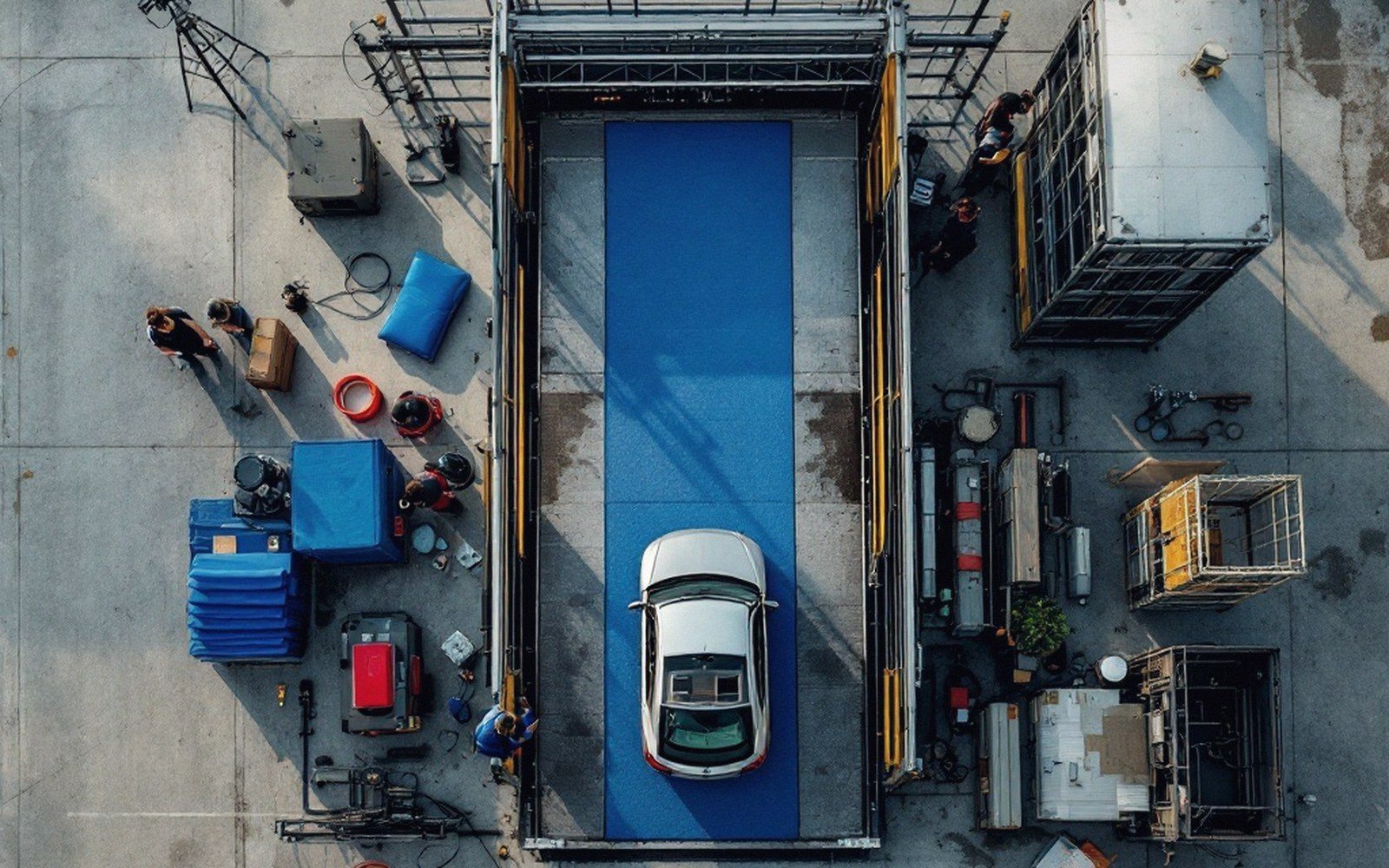
Aerial view of a white car on a blue ramp surrounded by equipment and workers

Vehicles

The Ramp and the Roll

A roll is a geometry problem: approach speed, ramp angle, weight distribution. Described as the engineering it is, never as a procedure.

By the Second Unit desk · Vehicles · 7 min read

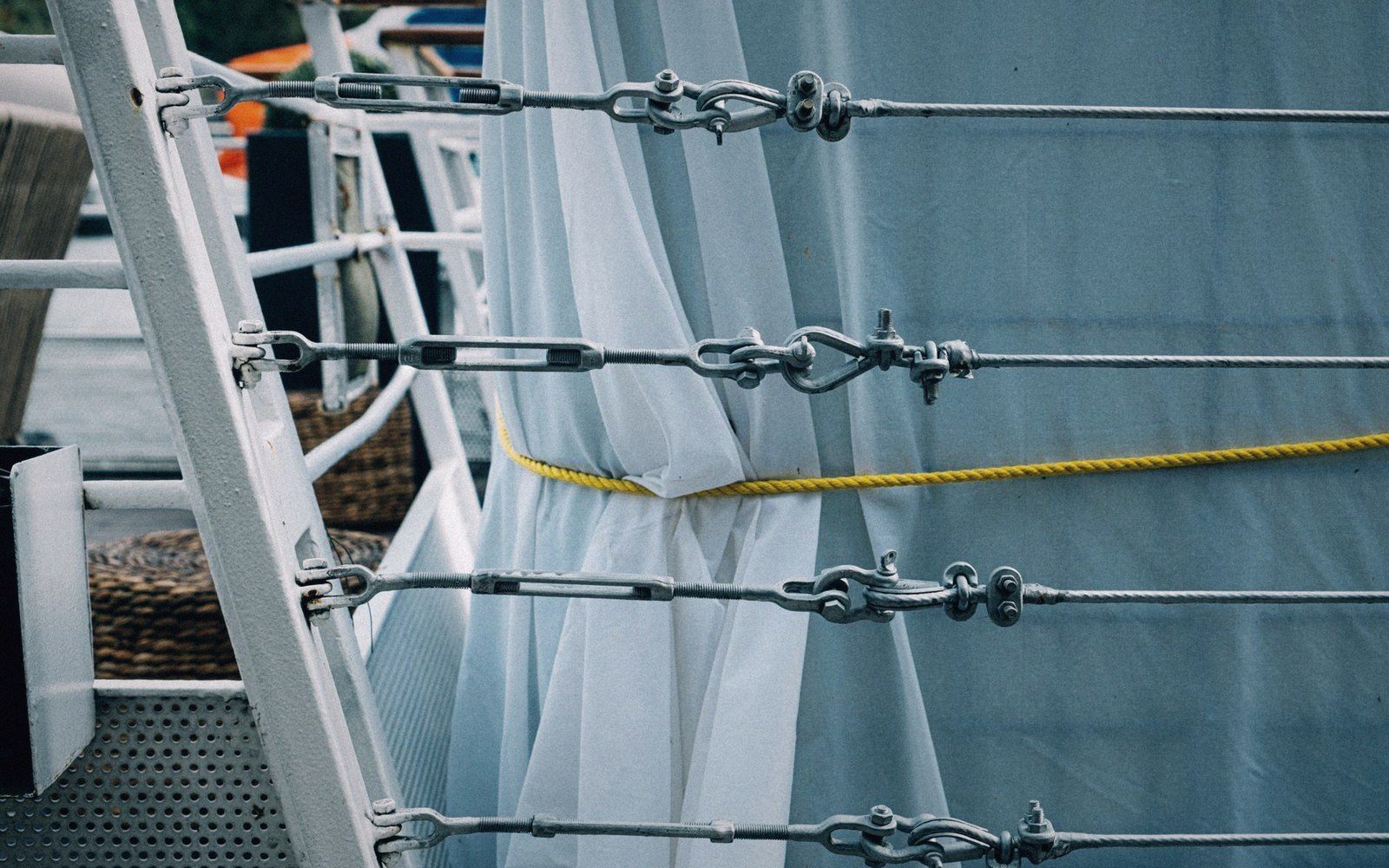
Turnbuckles tension a boat's wire rigging beside a white canvas curtain and yellow rope

Wire

What the Wire Is Actually Doing

Wire work is not flying; it is unloading weight. Which forces the wire takes, which the performer still carries, and why that distinction decides what a shot can look like.

By the Second Unit desk · Wire · 8 min read

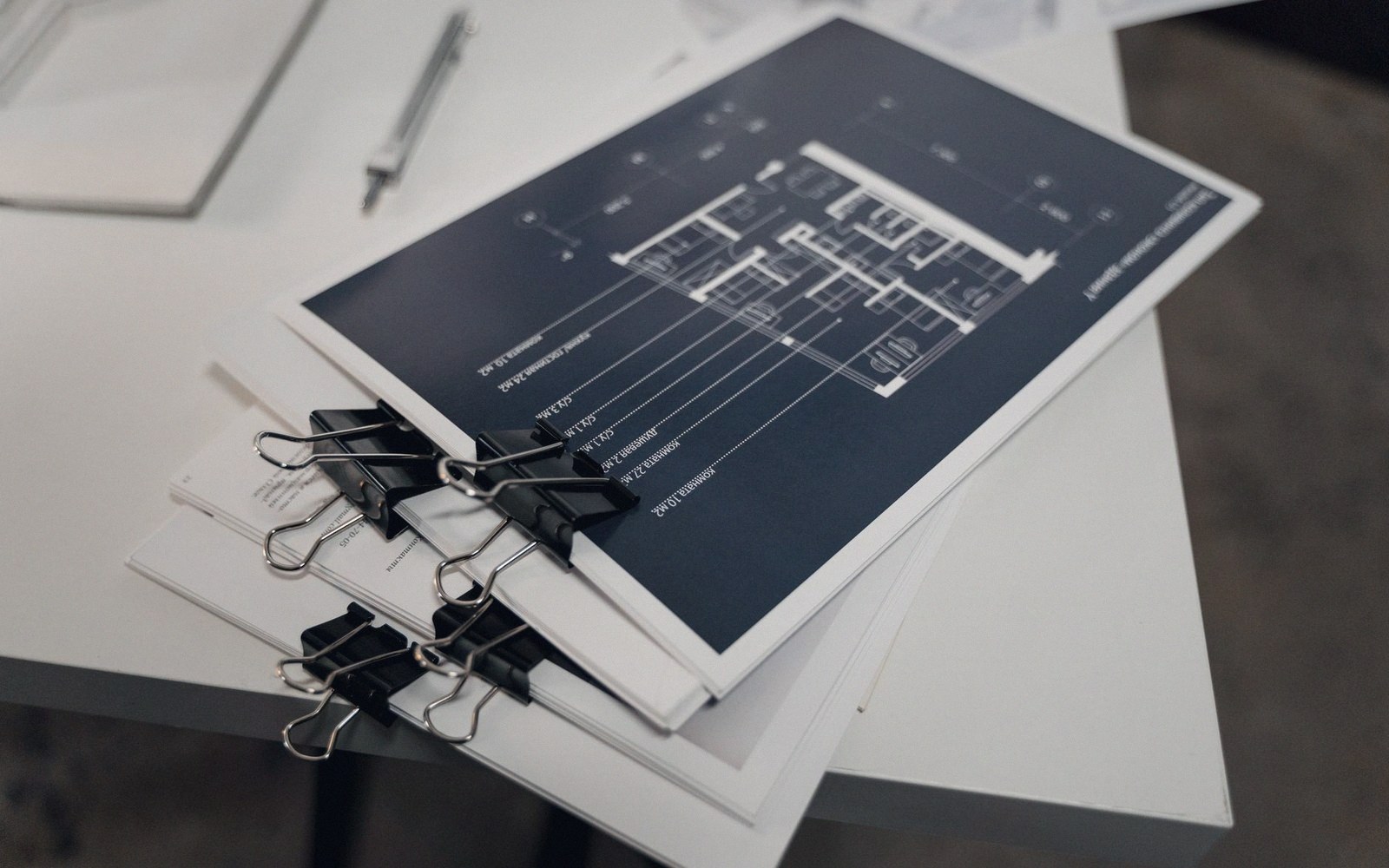
Architectural floor plan document bound with black binder clips on a desk

The Safety Apparatus

The Breakdown

The coordinator reads the sequence and hands it back as a list of gags, each with a rig, a rehearsal plan and the names of everyone who has to be standing there. Risk gets counted on paper before anything is bolted to anything.

By the Second Unit desk · The Safety Apparatus · 7 min read

Where the work happens

Ground you can bolt into

Backlots, tank stages, quarries and flat fields. A gag needs a surface that will take a fixing, an anchor point overhead, and enough room to keep twenty people out of shot.

Pinewood Cinecitta Barrandov Burbank Atlanta Rosarito
Six of the places this work is built. Practical action follows ground that will take a fixing — a level apron, an anchor point, and a tank or backlot big enough to keep the crew out of frame.