Wire
Removing the Wire Afterwards
- Manages
- What the camera can see
- Turns it into
- A rig into a clean plate
- In the hands of
- Rigger and the paint-out
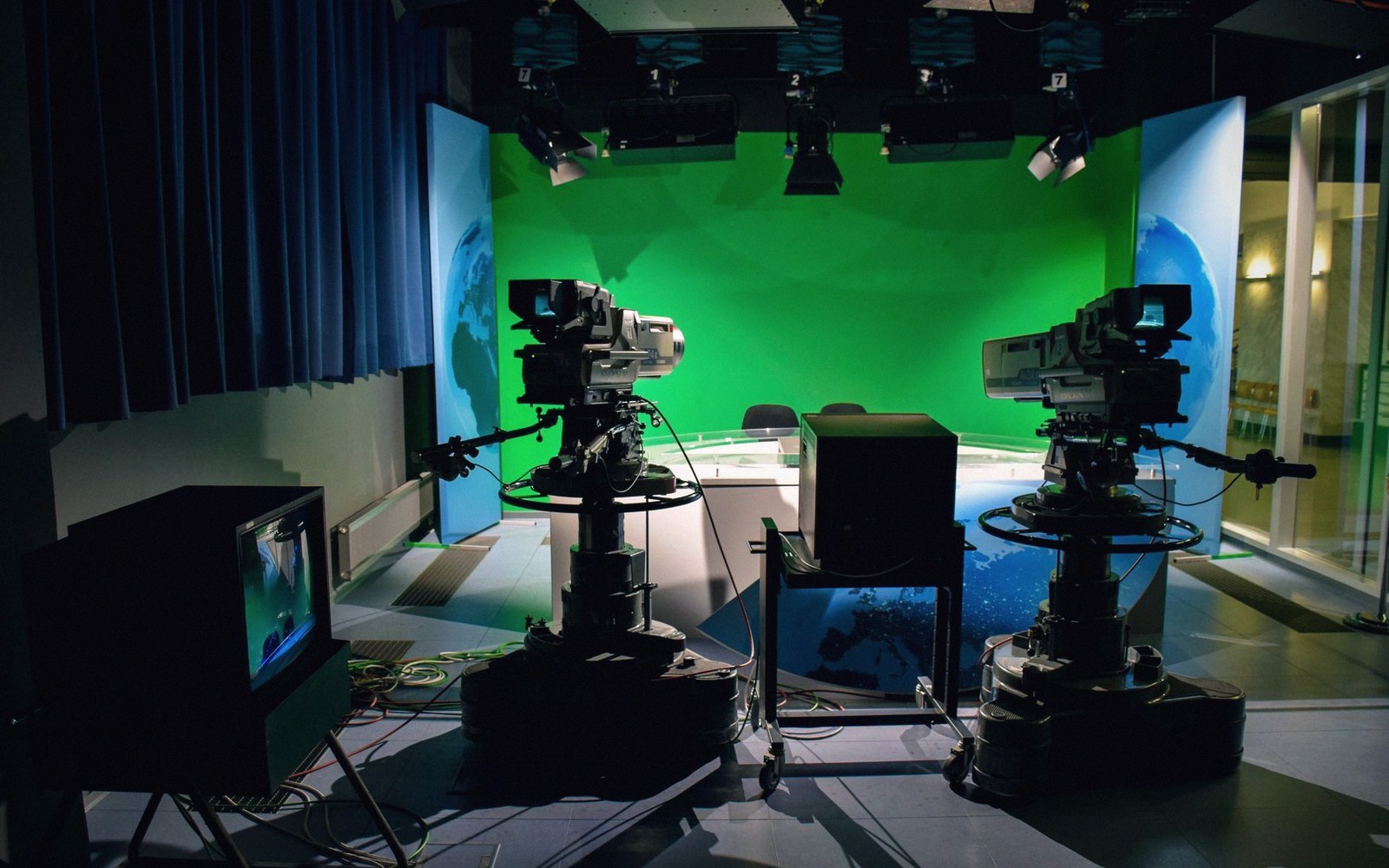
The rig is only half the decision. The other half is how it leaves the frame.
The Shoot and the Vanish Are One Design Problem
A wire does not stop being a problem when the camera cuts. At that point the work shifts from the stunt coordinator to the visual effects department — or, ideally, it stays a shared problem from the moment the sequence was first broken down. The cleanest paint-outs happen because the rigger and the VFX supervisor talked before the first bolt was turned, not after the edit.
The first thing they talk about is wire count. Every wire in the rig is a wire that has to be removed from the image, and removal costs time, which costs money, and sometimes betrays itself on screen. A single-wire flying pass over a clean sky background is a different post-production proposition from a three-wire net over a crowd scene. The background complexity determines almost as much as the wire gauge how visible the line will be and how long the removal will take. This is why rigging decisions are not purely mechanical: the wire that is technically sufficient may be the wrong wire if the background behind it is a brick wall with textured mortar, or a crowd of moving extras.
Wire gauge matters directly here. A thicker cable carries more load and moves more predictably under that load — properties that the piece on what the wire is actually doing makes plain — but it is also harder to remove digitally in a moving image, because it displaces more background and the edge is sharper. Thinner spectra-core wire is visually finer but more prone to catching light at certain angles. Neither is better in the abstract; which one the coordinator and VFX supervisor choose depends on the specific image: focal length, distance from camera, background texture, and how much movement the performer makes relative to the frame.
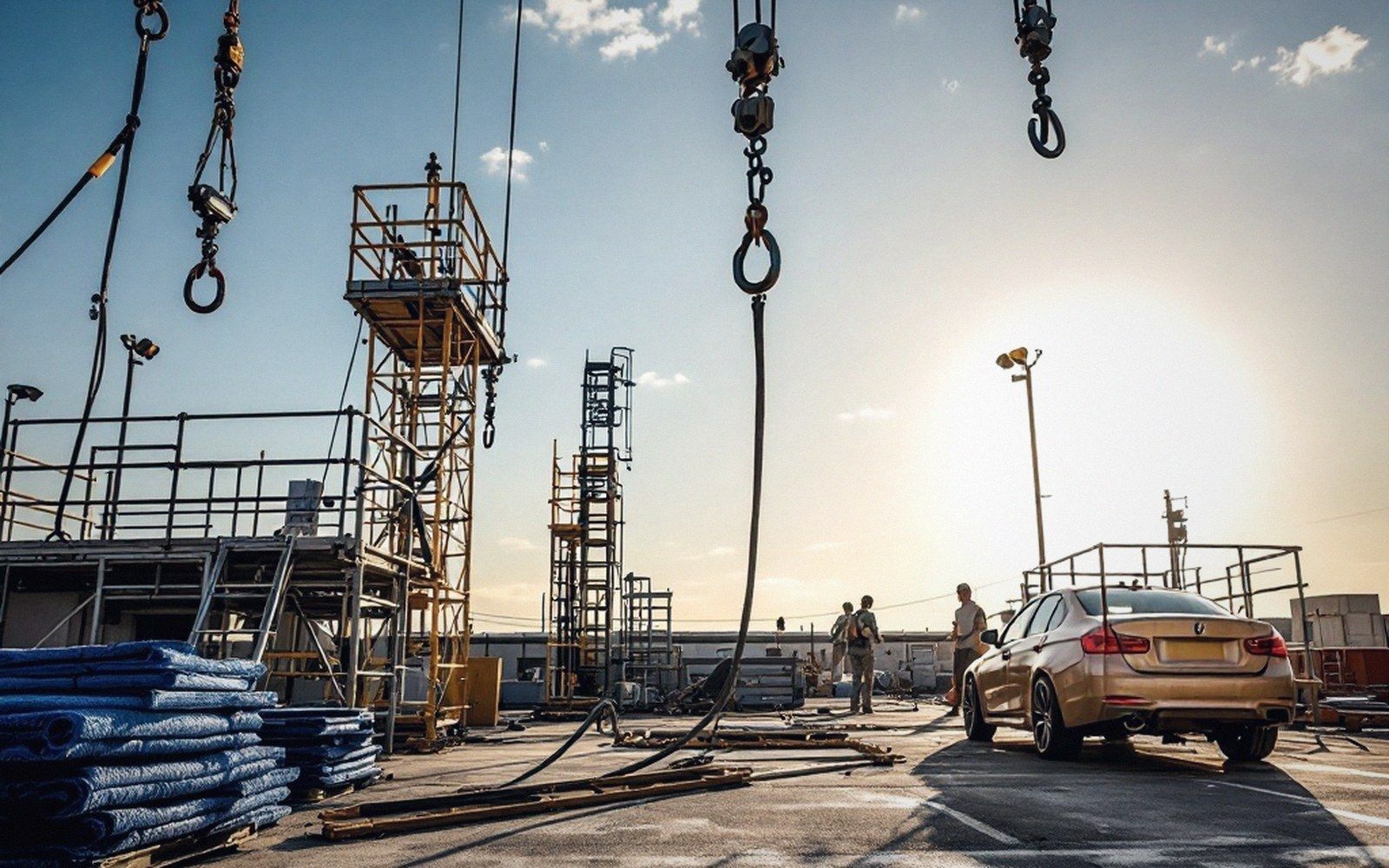
Colour coating the wire was common practice before high-resolution digital capture became standard. A wire coated to match the sky, or the costume, or the background set reduced frame-by-frame paint labour considerably. That technique still exists and is still used on period shoots or where VFX budgets are tight, but its limitations are real: a wire matched to a blue sky becomes conspicuous the instant the performer moves in front of a darker background, and in high-resolution digital acquisition the coating tends to catch light in ways analogue film forgave. In contemporary practice it is a tool, not a default.
From the build
How the decision flows
- Wire gaugefiner line is less visible but harder to control dynamically; thicker line carries load reliably but displaces more background in post
- Wire coatingcolour-matched coatings reduce paint labour but break down when the background changes; high-resolution digital capture made the limitation more visible
- Rigging routewhere the wire attaches to the performer determines whether it crosses the body on camera; harness design and wire routing are made partly for the compositor's benefit
- Clean platesbackground-only shots captured on the day, same lens, same light; the single most effective tool for reducing digital removal difficulty
- Background complexitytextured or moving backgrounds multiply the compositor's reconstruction task; sky and flat wall are the easiest; crowds and foliage the hardest
What VFX Actually Does, and Why It Has Limits
Digital wire removal works by replacing the pixels occupied by the wire with a plausible reconstruction of whatever is behind it. That sounds simple. It is not. The wire obscures background information, and if that background is moving — crowd, foliage, water — the software must generate what would have been there, frame by frame. On a long take or a complicated camera move, that reconstruction task compounds quickly, and at some point the compositor is making aesthetic judgments, not purely technical ones. The background they invent must match the grain, the motion blur, the lighting direction and the depth of field of the surrounding image. Clean plates — identical shots of the background without the performer or wire present — reduce the guesswork enormously, which is why any technically literate second unit will shoot them on the day, in the same light, at the same lens setting. A clean plate shot a day later or with a fractionally different focal length introduces inconsistencies that cost far more time in post than the original clean plate would have taken to capture.
There are also situations where digital removal is structurally difficult regardless of how it is approached. A wire that runs across the performer's own body — arm, hair, face — cannot be removed without also altering the performer, and the compositor must be precise in a way that becomes evident in anything but the most careful grade. This is why rigging routes matter visually: a wire attached at the back of a harness under a jacket and running upward out of frame is far more tractable in post than one attached at the wrist and arcing across the chest. These choices get made in the pre-rig conversation.
Continuity across cuts adds a further constraint. A sequence assembled from multiple angles will have the wire in slightly different positions relative to different backgrounds in each cut. If the removal quality varies between shots, the join between cuts can betray the work. Consistent removal requires consistent background conditions, which brings the argument back around to the original location and lighting decisions. By the time a wire gag reaches post-production, the degree of difficulty has already been set.

The Sequence Nobody Films
None of this appears on screen, which is the point. When removal is done properly, a viewer watching the sequence twice finds no wire and no evidence that wire was ever the right question. The invisible infrastructure of a well-rigged shot — the harness routing, the gauge selection, the clean plate, the compositor working outward from where the wire entered the frame — is a chain of decisions made by a coordinator, a VFX supervisor, and a compositor who were all thinking about the same image at different stages of its life. The spectacular part of wire work is the performance. The professional part is that you never see the rest of it.