The full index
Twenty-two objects
An inventory of the things that make the work survivable. Read across the index and the craft appears on its own, without a single anecdote about bravery.
Section 01
Falls
Descent, and why arrival is the whole problem.
-
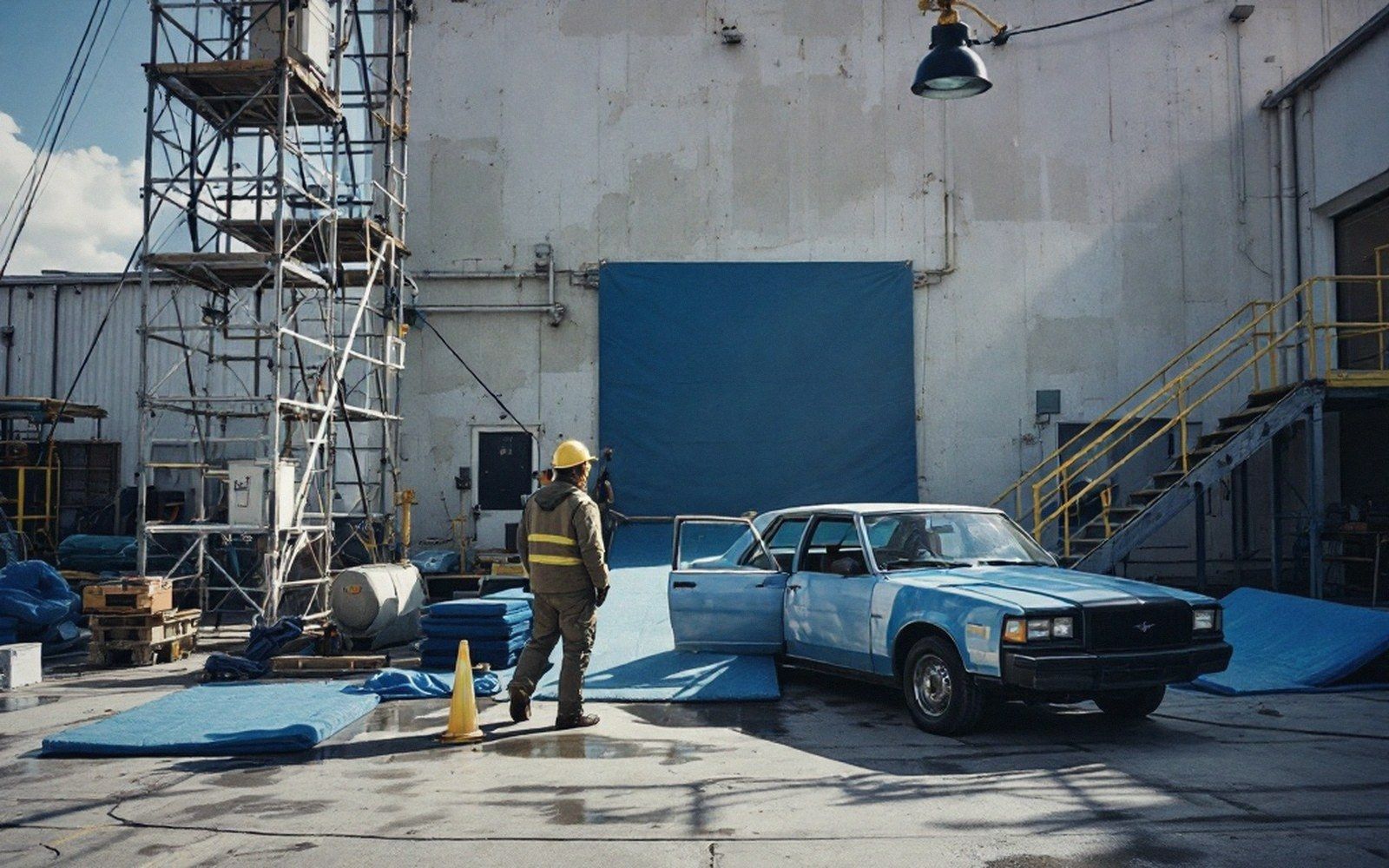 A High Fall Is a Machine You Land Inside
Sixty feet is two seconds; the job is the six days before it. The breakdown, the rehearsal at half height, the bag going up, and why the fall itself is the least interesting part of the operation.
ManagesSixty feet of freefall
In the hands ofCoordinator and rigging team -
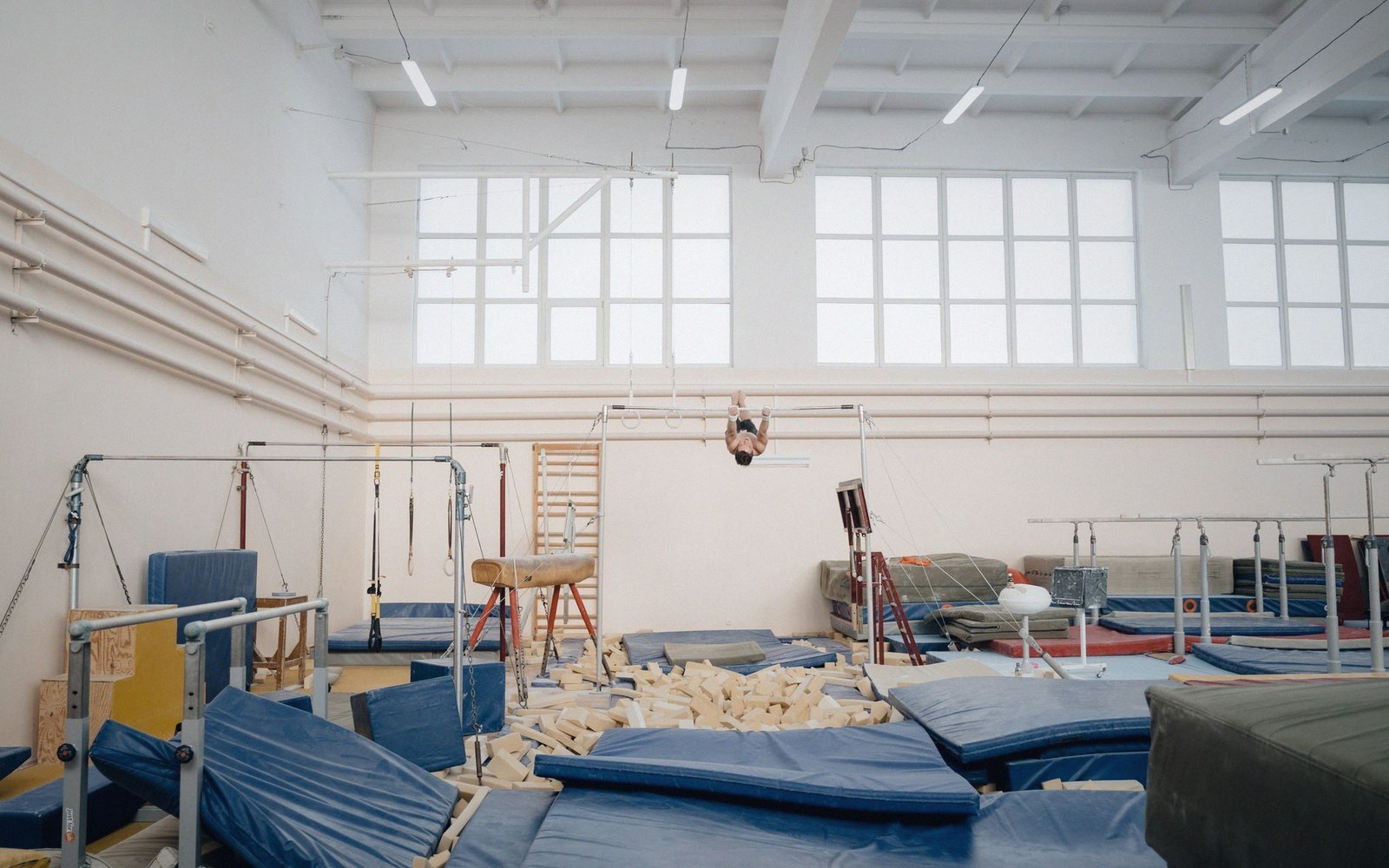 What the Pad Is Actually Doing
A mat stack turns a short hard stop into a long soft one. The physics of spreading a deceleration over distance, and why the depth of the stack is the whole design.
ManagesImpact at the end of a fall
In the hands ofRiggers and the pad crew -
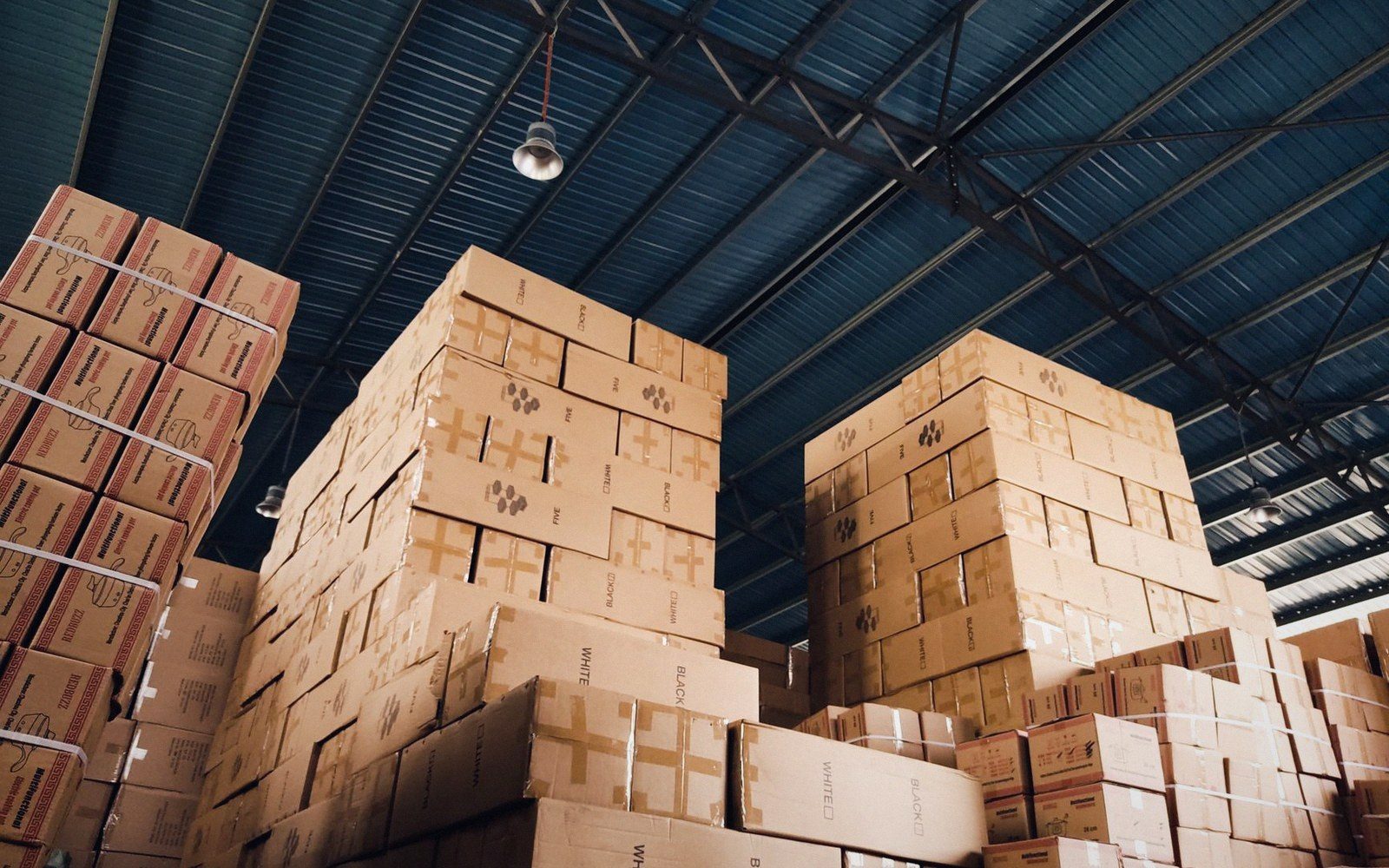 The Box Rig
Cardboard cells that crush in sequence so the stop is spread over a metre of collapse. An old solution that still does something modern materials do not.
ManagesKinetic energy at landing
In the hands ofRigging carpenters -
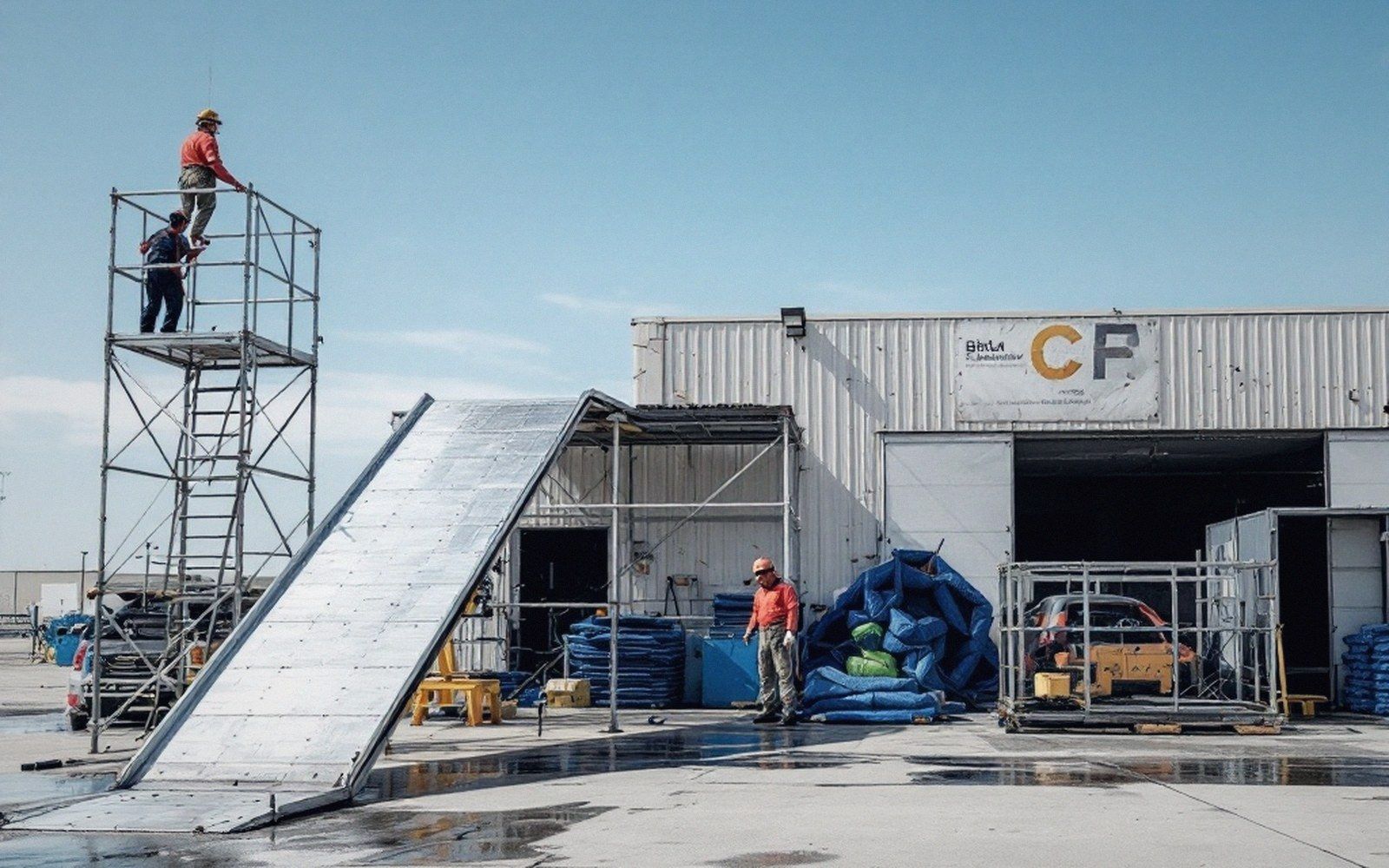 Descenders and Decelerators
Controlled descent as an engineered process: what the drum is regulating and why the last few feet are the part that matters.
ManagesDescent rate on a line
In the hands ofThe rigger at the drum -
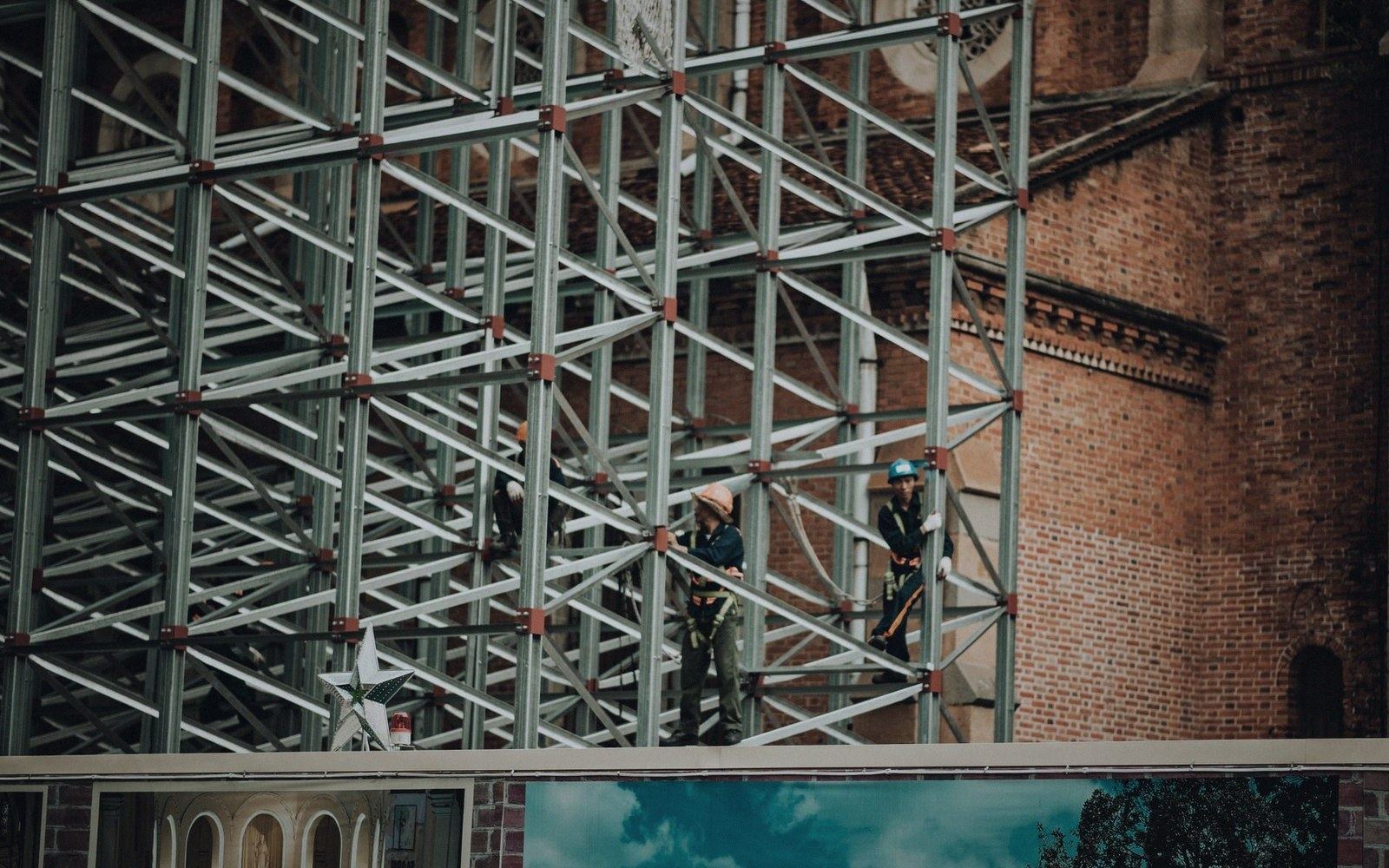 The Tower Is Scenery for the Crew
Scaffold as both a filmed object and a working structure, and the two different sets of requirements it has to satisfy at once.
ManagesThe departure point
In the hands ofScaffolders and the grip crew
Section 02
Fire
The suit buys seconds and the count is agreed first.
-
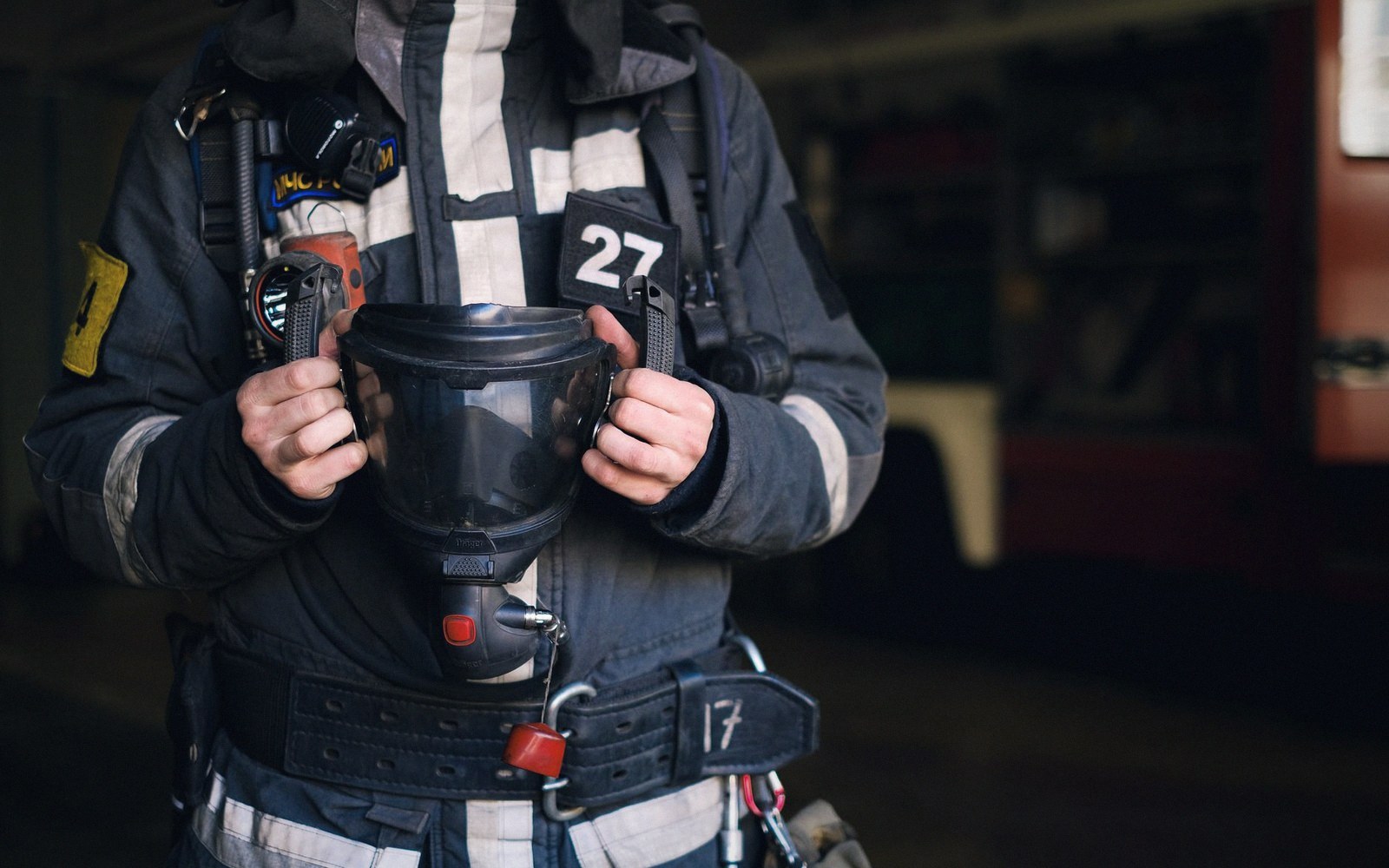 The Suit Buys Seconds, and the Count Is Agreed First
A fire gag is a timed operation with a hard ceiling measured in seconds. The layers, the cooling, the agreed count, and the fact that the end of the shot is planned before the start.
ManagesHeat load on the performer
In the hands ofFire team and the performer -
 What Burns and What Does Not
Fuel choice as the central decision — described in principle, never as a formulation. Why the visible flame and the heat load are different problems.
ManagesFuel behaviour and heat
In the hands ofSpecial effects supervisor -
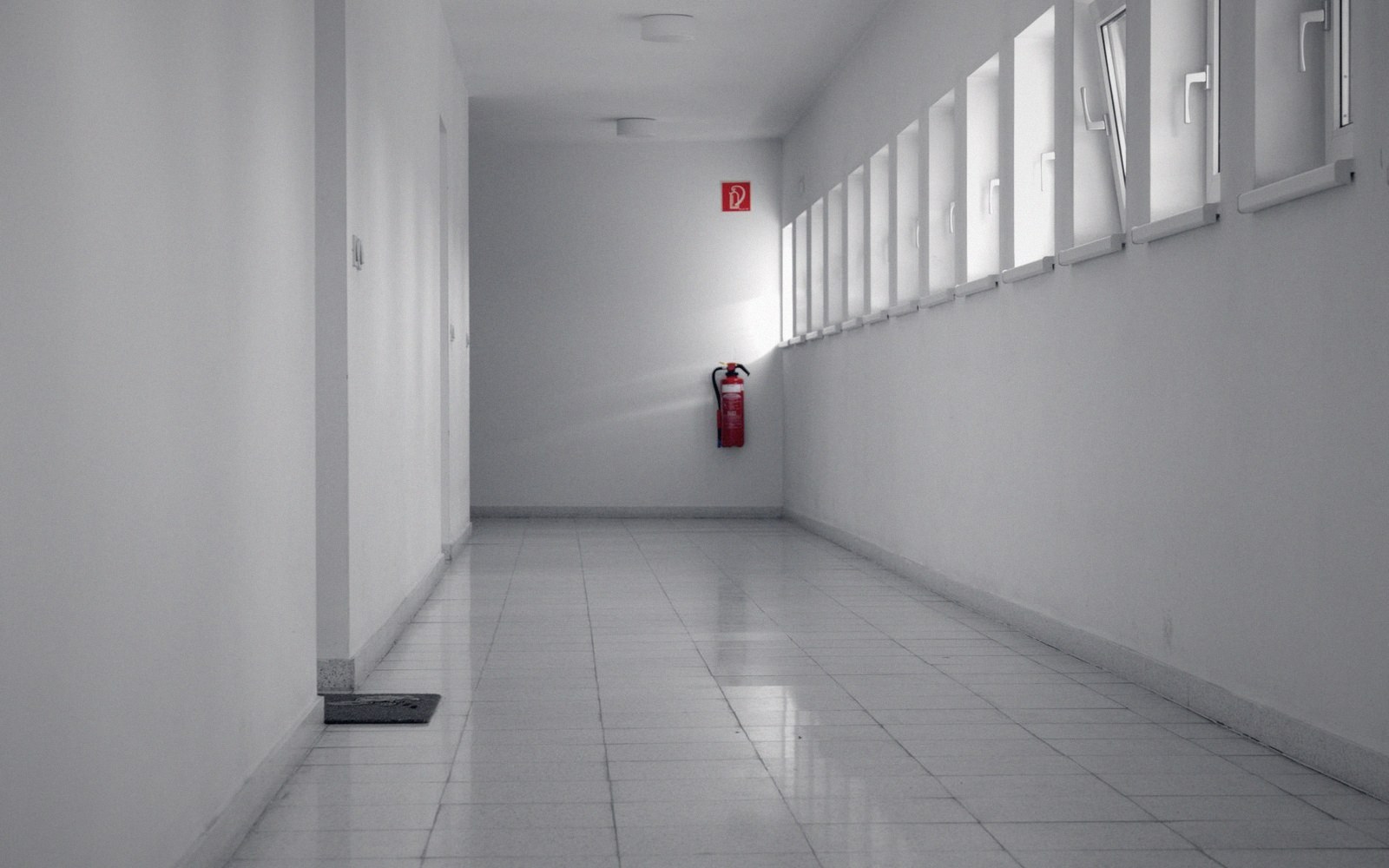 The People Standing Just Outside Frame
Extinguisher positions, the medic, the safety officer and the person whose only job is to call it. The apparatus that surrounds a burn.
ManagesThe seconds after the call
In the hands ofExtinguisher team, medic, safety officer -
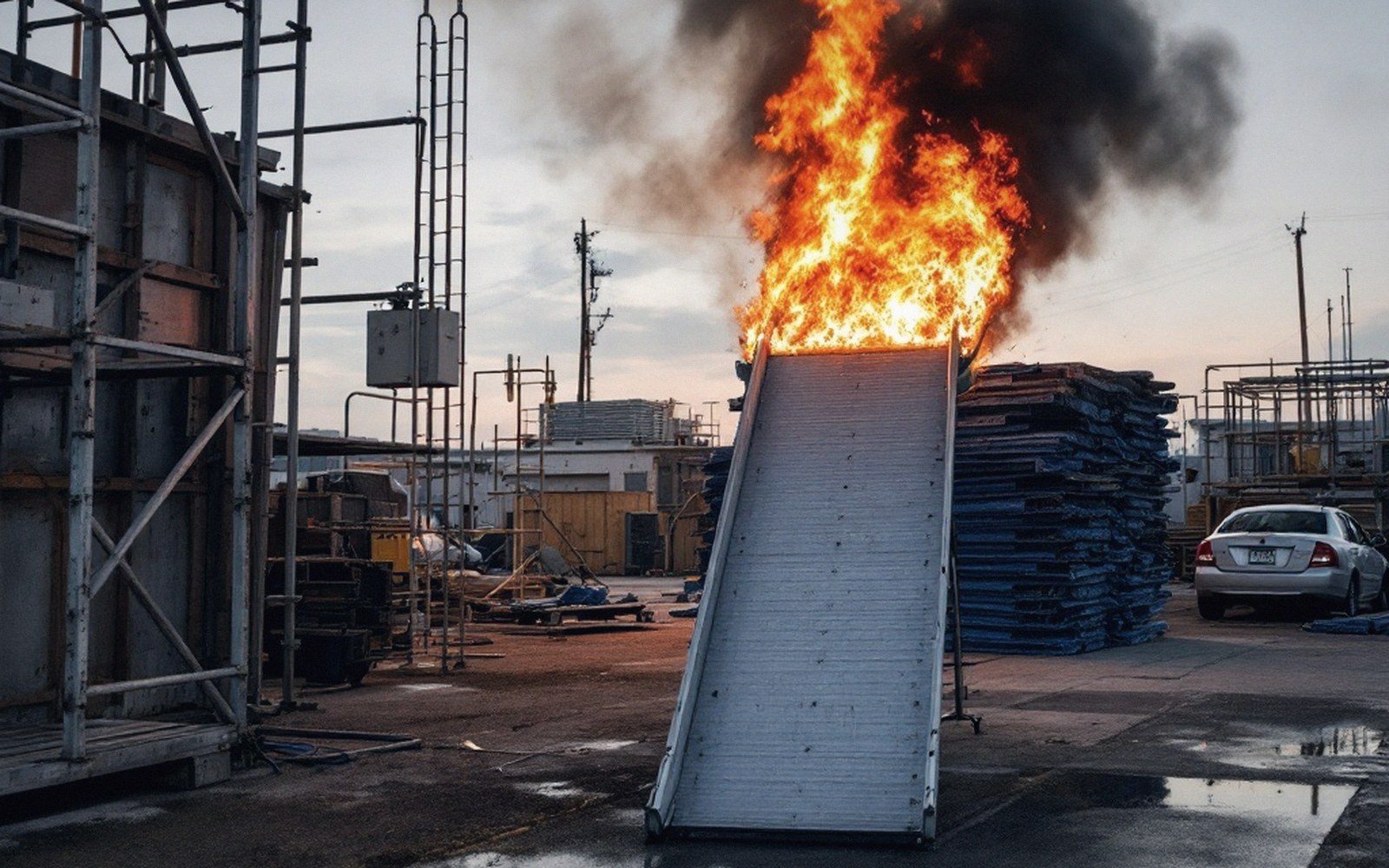 Fire Is a Lighting Problem Too
How a burn is photographed: exposure, frame rate and the reason a fire gag often looks smaller on screen than it felt on set.
ManagesExposure and frame rate
In the hands ofCinematographer and gaffer
Section 03
Vehicles
A car prepared to do one thing once.
-
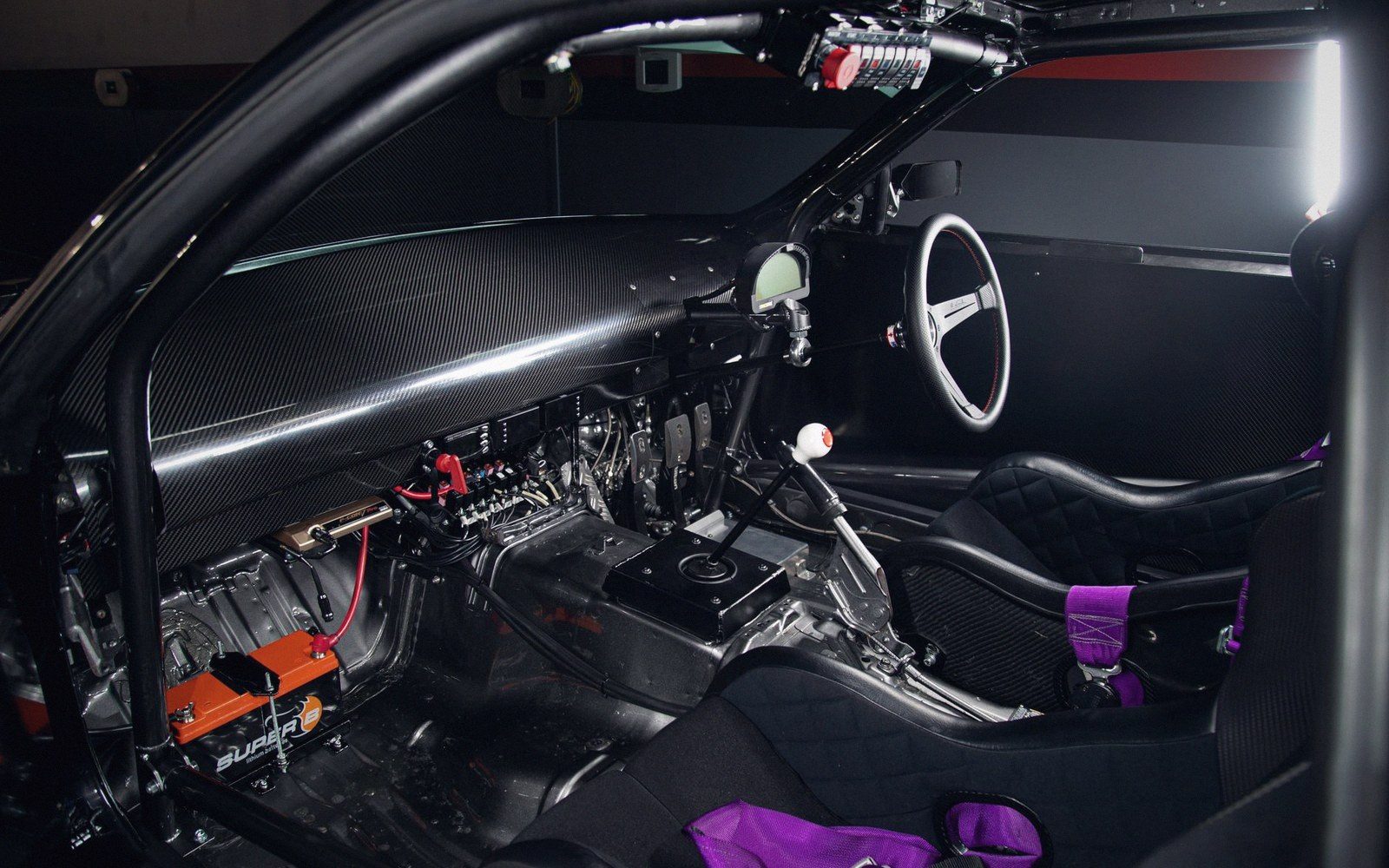 A Car Prepared to Do One Thing, Once
Cage, harness, glass out, fuel cell, battery moved. What a picture car actually is by the time it rolls, and why it will never be a road car again.
ManagesCrash loads through a shell
In the hands ofPicture-car fabricators -
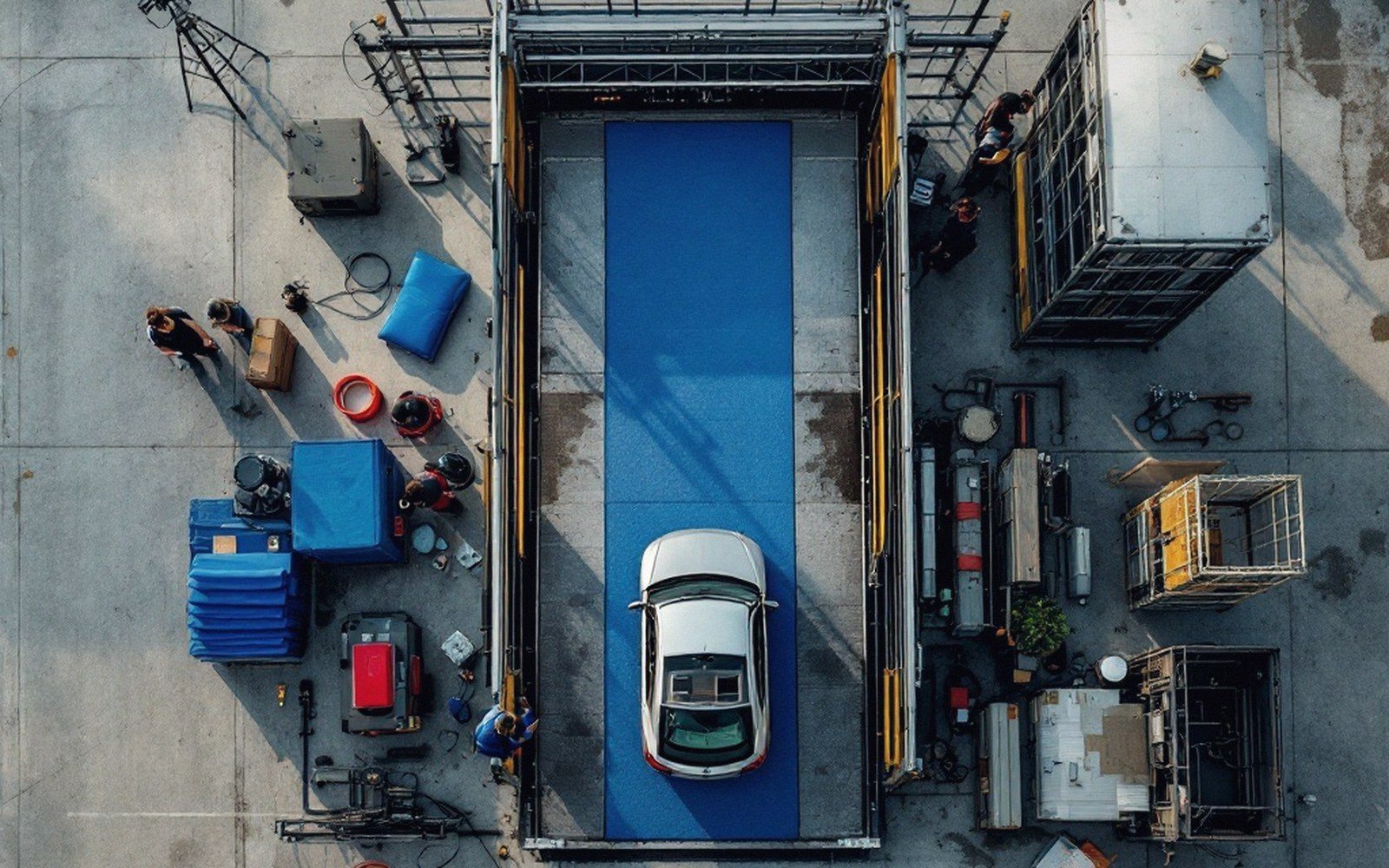 The Ramp and the Roll
A roll is a geometry problem: approach speed, ramp angle, weight distribution. Described as the engineering it is, never as a procedure.
ManagesApproach speed and angle
In the hands ofPrecision driver and coordinator -
 The Pipe Ramp
A cannon that puts a car into the air. What it manages, what it converts force into, and why the whole thing is about repeatability.
ManagesStored force under a wheel
In the hands ofSpecial effects and the driver -
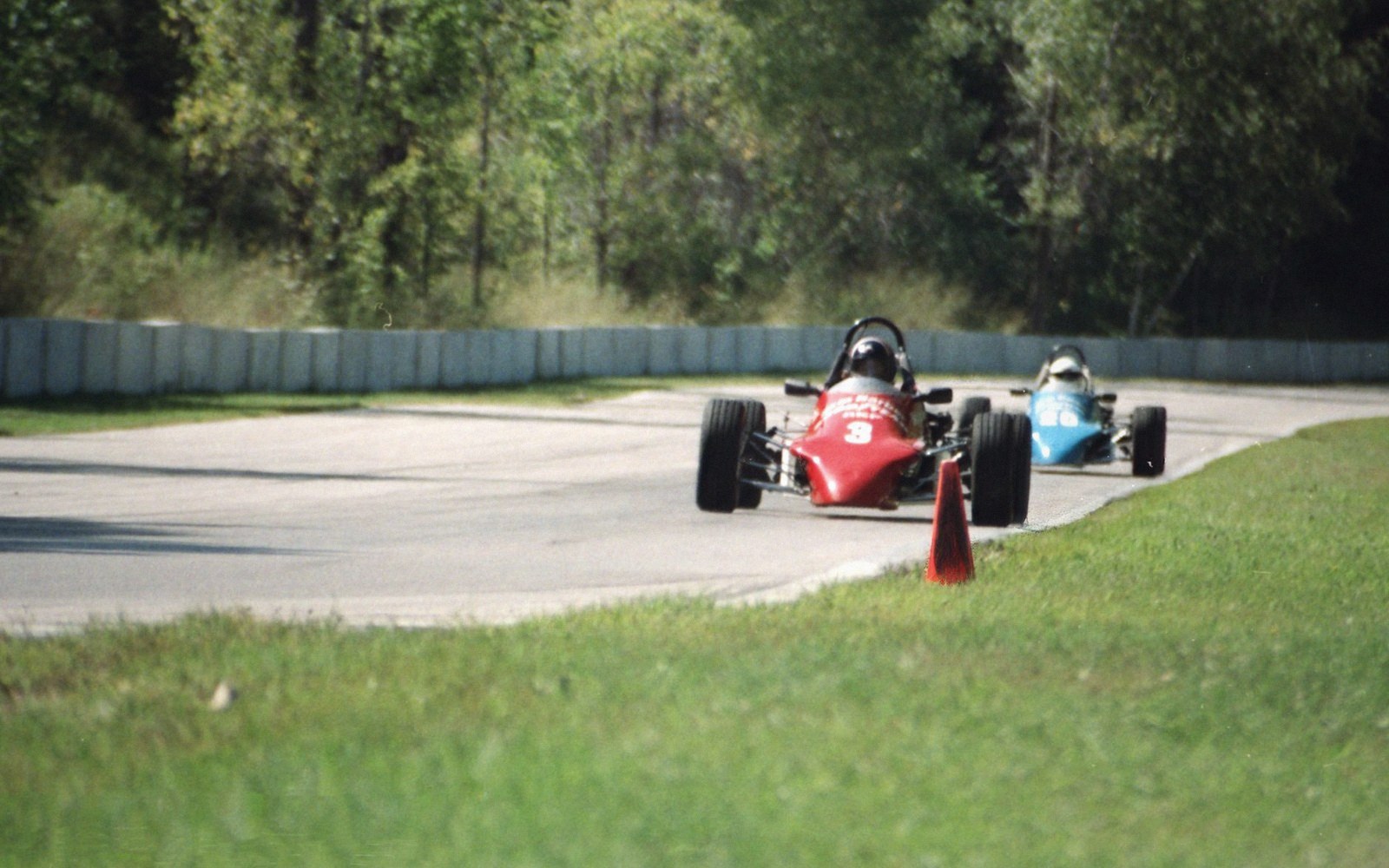 Driving to a Mark
Precision driving as the unglamorous majority of vehicle work: hitting a spot, at a speed, on a count, with a camera car alongside.
ManagesSpeed, line and timing
In the hands ofThe precision driver
Section 04
Wire
What the wire is actually doing.
-
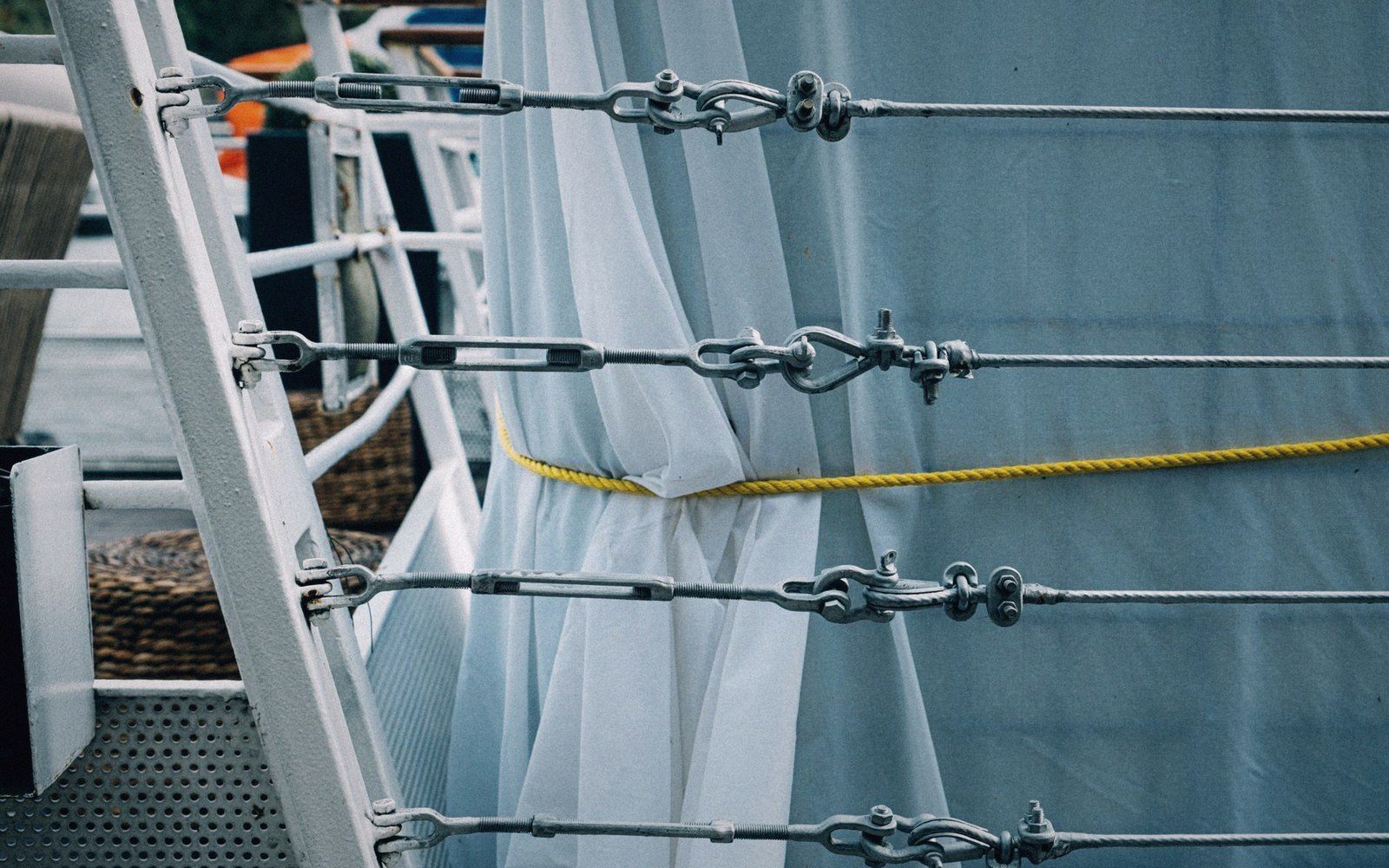 What the Wire Is Actually Doing
Wire work is not flying; it is unloading weight. Which forces the wire takes, which the performer still carries, and why that distinction decides what a shot can look like.
ManagesThe performer's weight
In the hands ofThe wire rigger -
 The Ratchet
Sudden acceleration by stored energy — what it manages, why it is so tightly controlled, and what it turns a body's movement into on camera.
ManagesStored energy on a line
In the hands ofThe ratchet operator -
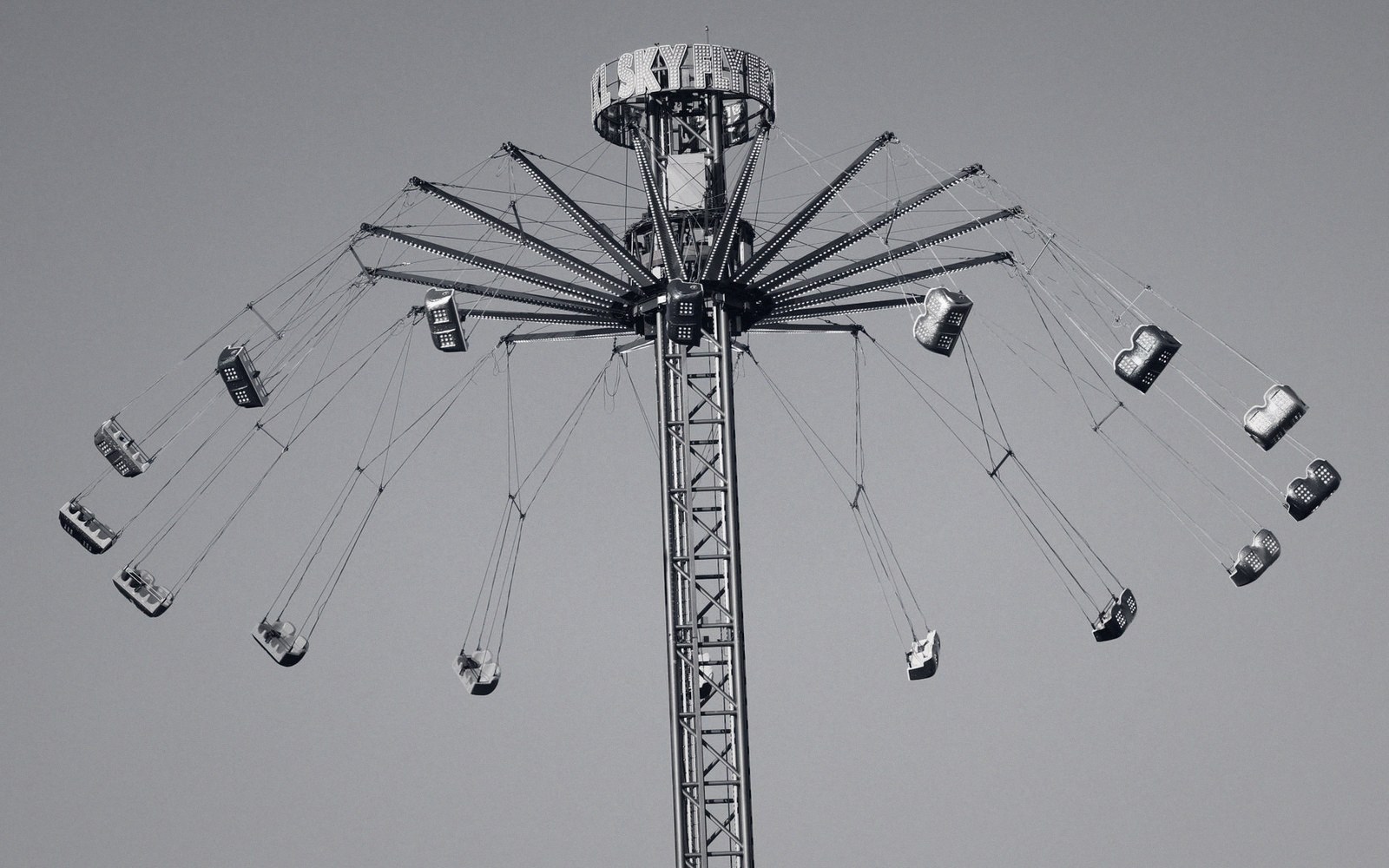 The Pendulum Problem
Anything on a wire swings. How rigging plans for the arc, and how the arc shows up in the finished shot.
ManagesThe arc of a loaded line
In the hands ofThe rigging team -
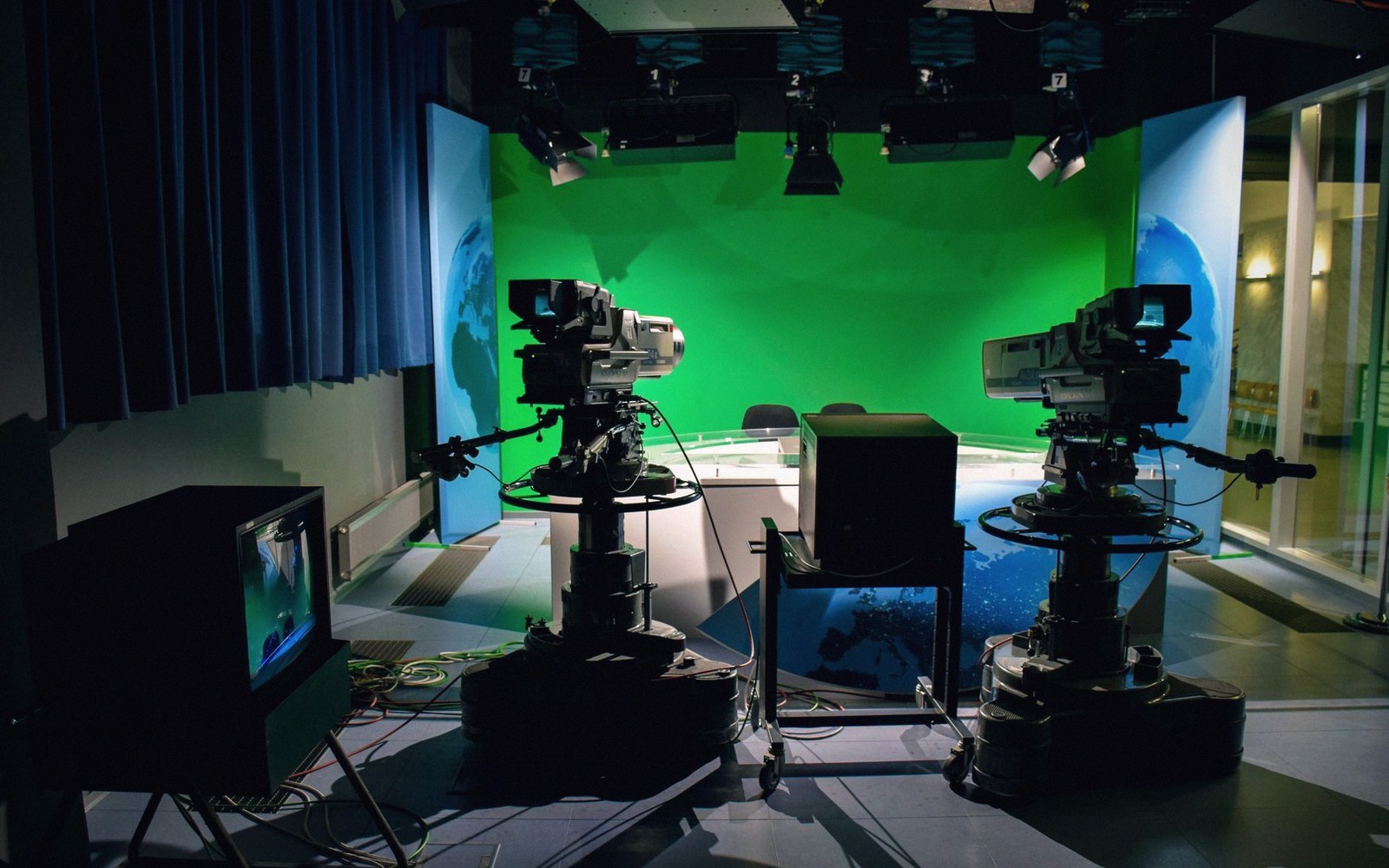 Removing the Wire Afterwards
Paint-out and clean-up as part of the rigging decision — the rig is designed partly around how easily it disappears.
ManagesWhat the camera can see
In the hands ofRigger and the paint-out
Section 05
The Safety Apparatus
The coordinator, the rehearsal, the count.
-
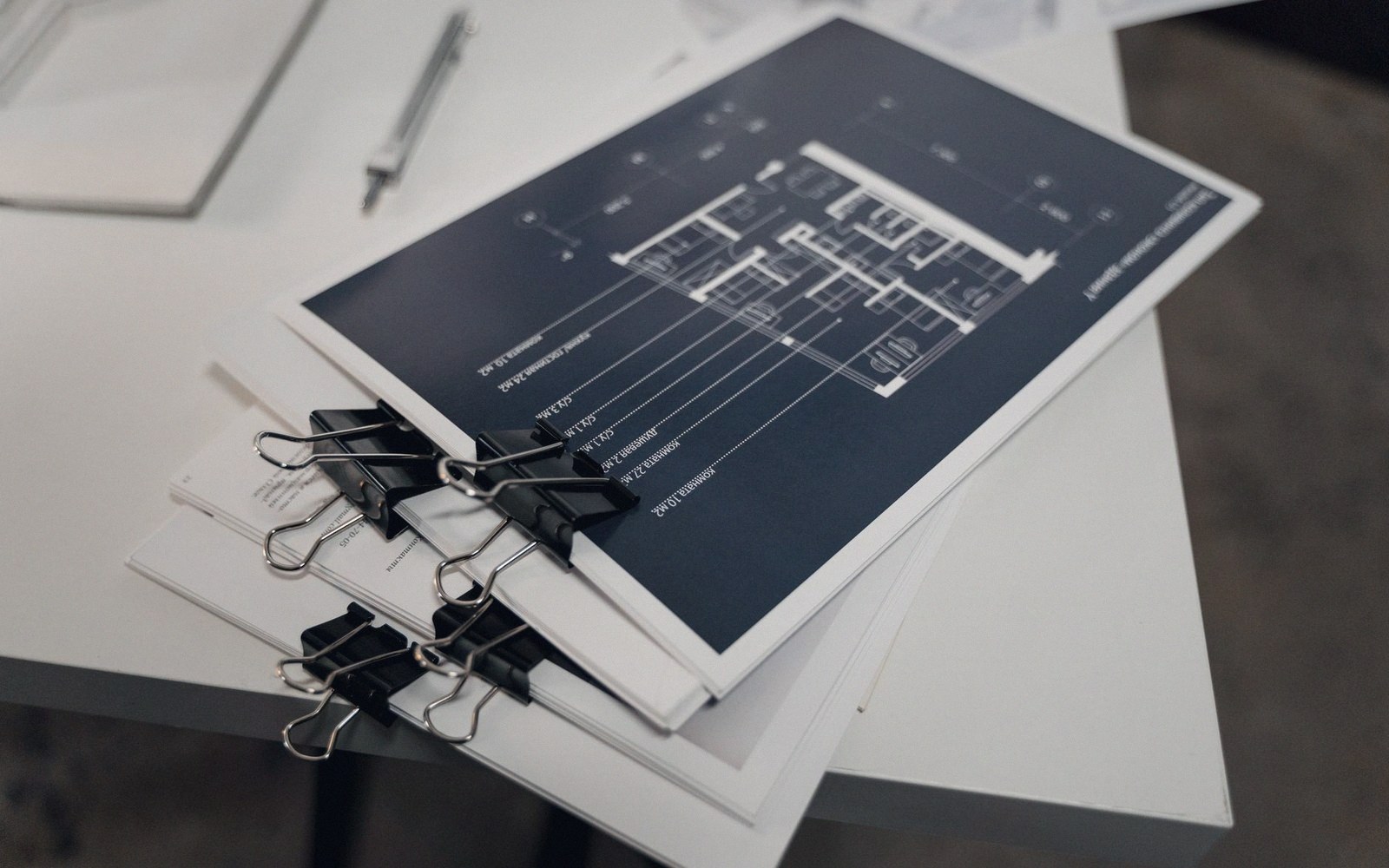 The Breakdown
The coordinator reads the sequence and hands it back as a list of gags, each with a rig, a rehearsal plan and the names of everyone who has to be standing there. Risk gets counted on paper before anything is bolted to anything.
ManagesRisk, on paper, first
In the hands ofThe stunt coordinator -
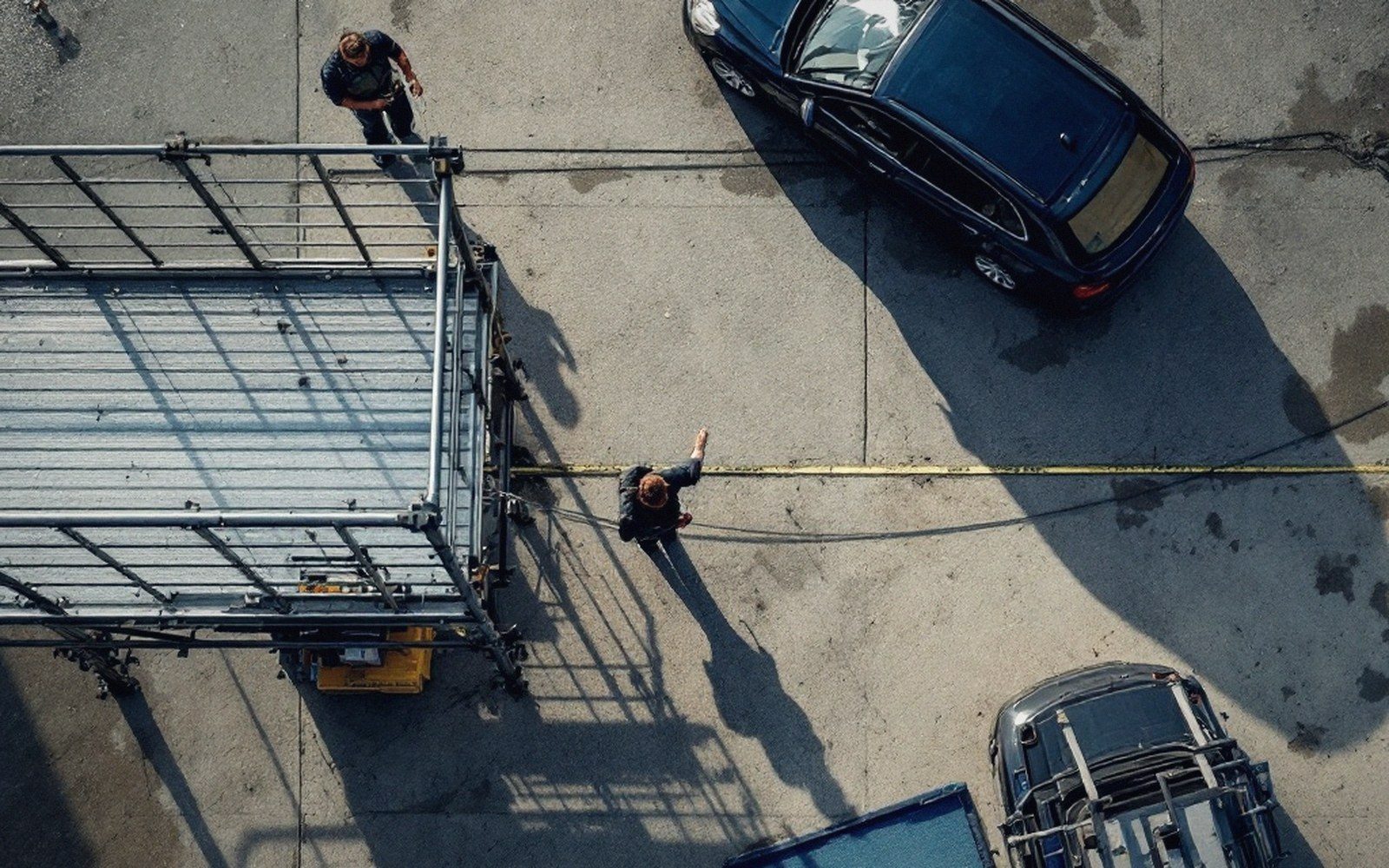 Rehearsal, at Half the Height
The fall is walked before it is fallen. Lower platform, same turn, same count, until the interesting part is the most boring thing on the lot. Boredom is the goal — it is what repeatable feels like from the inside.
ManagesEverything that can vary
In the hands ofPerformer and coordinator -
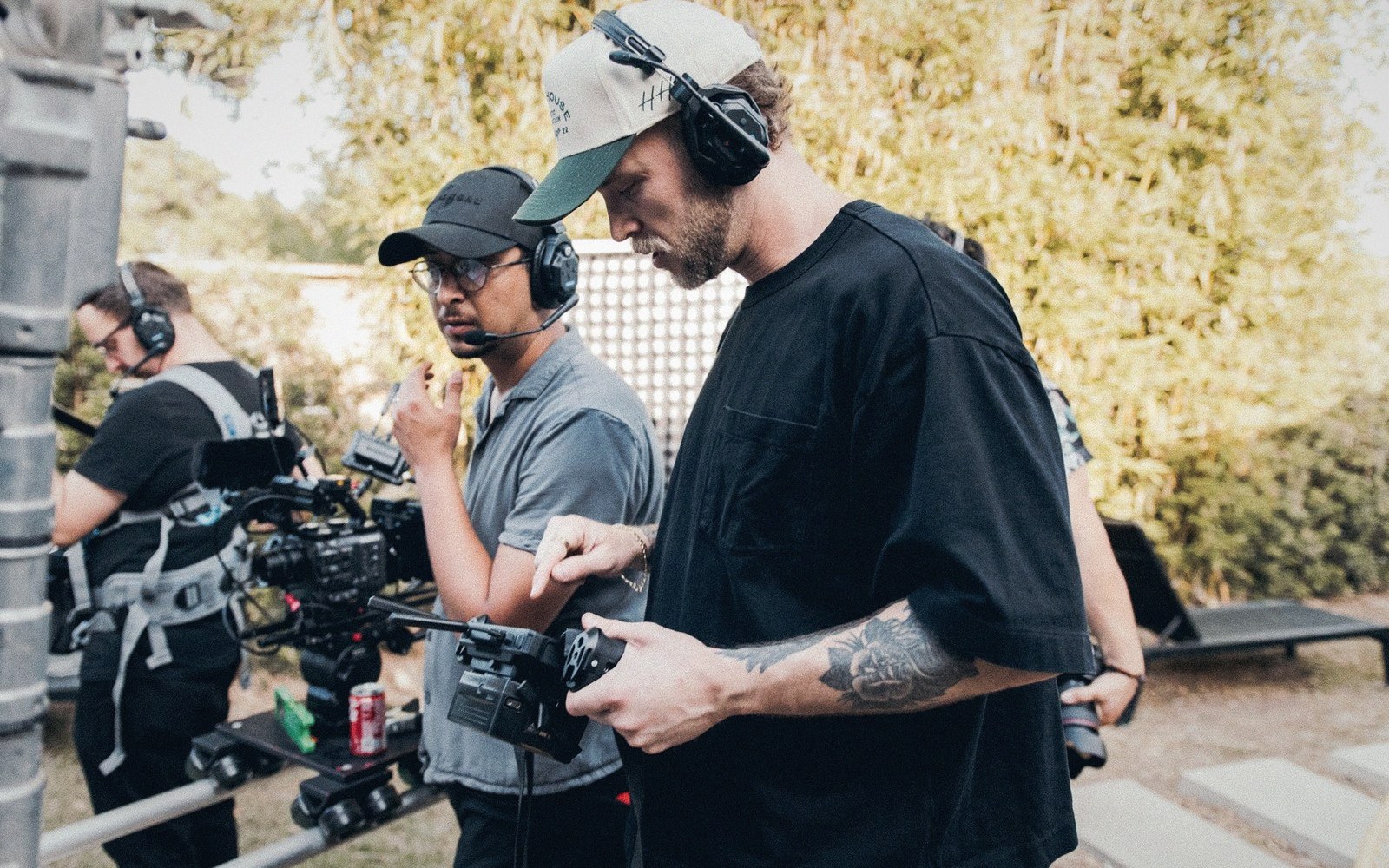 The Count
Everything is called: the action, the cut, the abort. Why the verbal protocol is as engineered as the rigging, and what happens when it breaks down.
ManagesWho speaks, and when
In the hands ofEveryone on the floor -
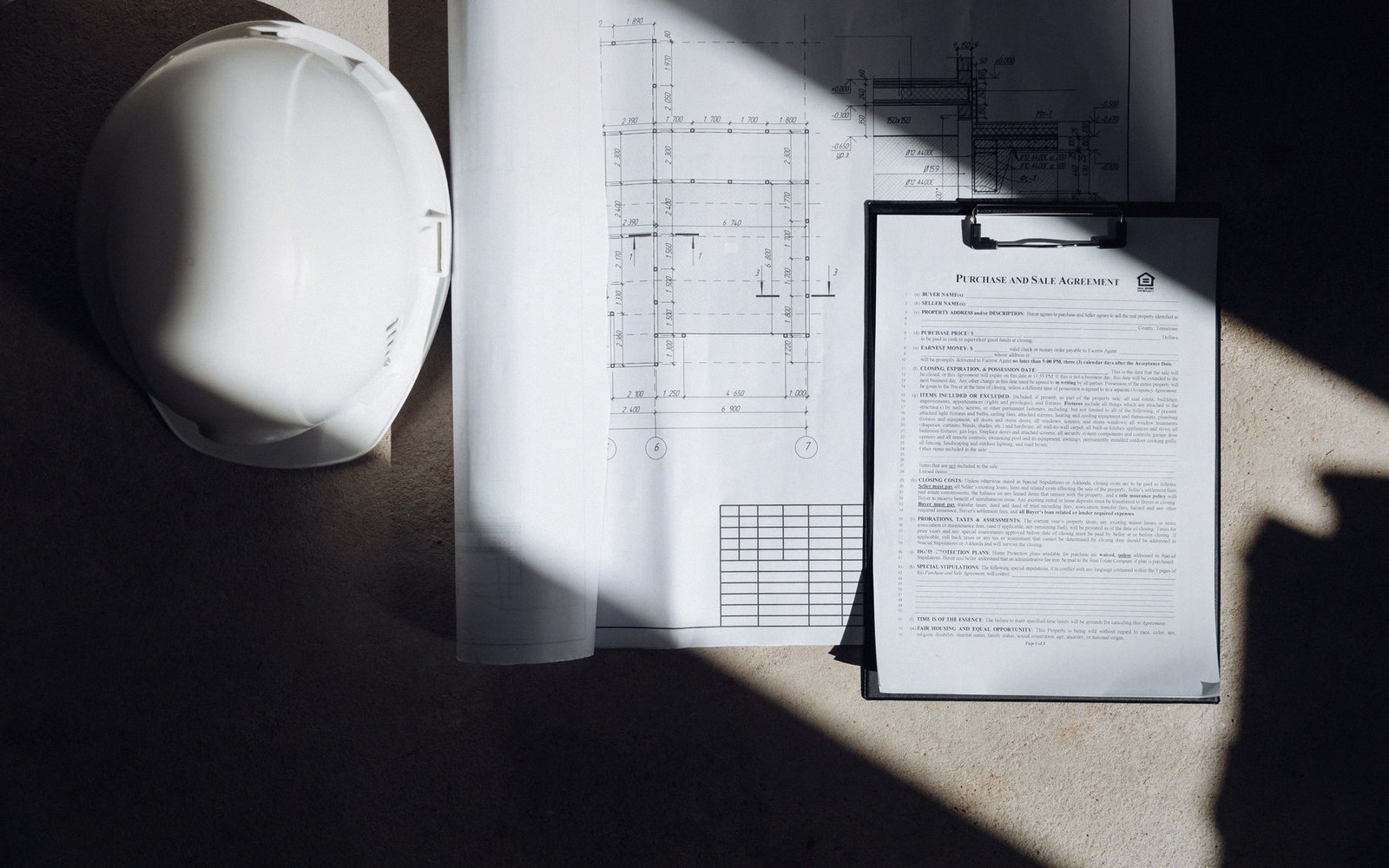 What Changed After
Serious incidents have reshaped practice repeatedly. Treated as regulatory and procedural history — what the industry changed afterwards — without dwelling on the events themselves or naming individuals.
ManagesPractice, after the fact
In the hands ofThe industry, collectively -
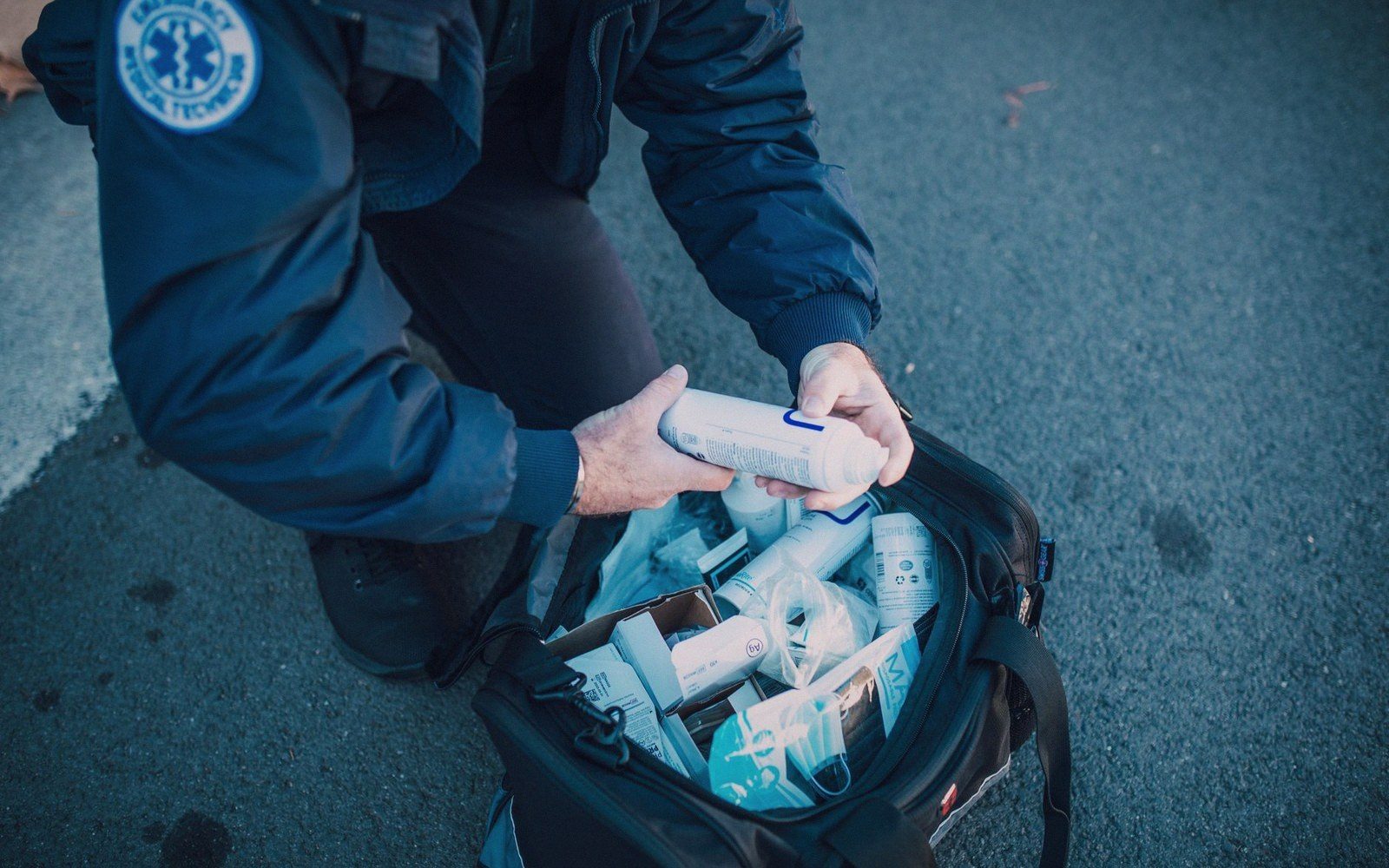 The Medic, and the Right to Stand Down
Who can stop a shot, and the fact that the answer is more people than most viewers assume.
ManagesThe right to stop
In the hands ofMedic, safety officer, anyone present