Wire
What the Wire Is Actually Doing
- Manages
- The performer's weight
- Turns it into
- Load into apparent flight
- In the hands of
- The wire rigger
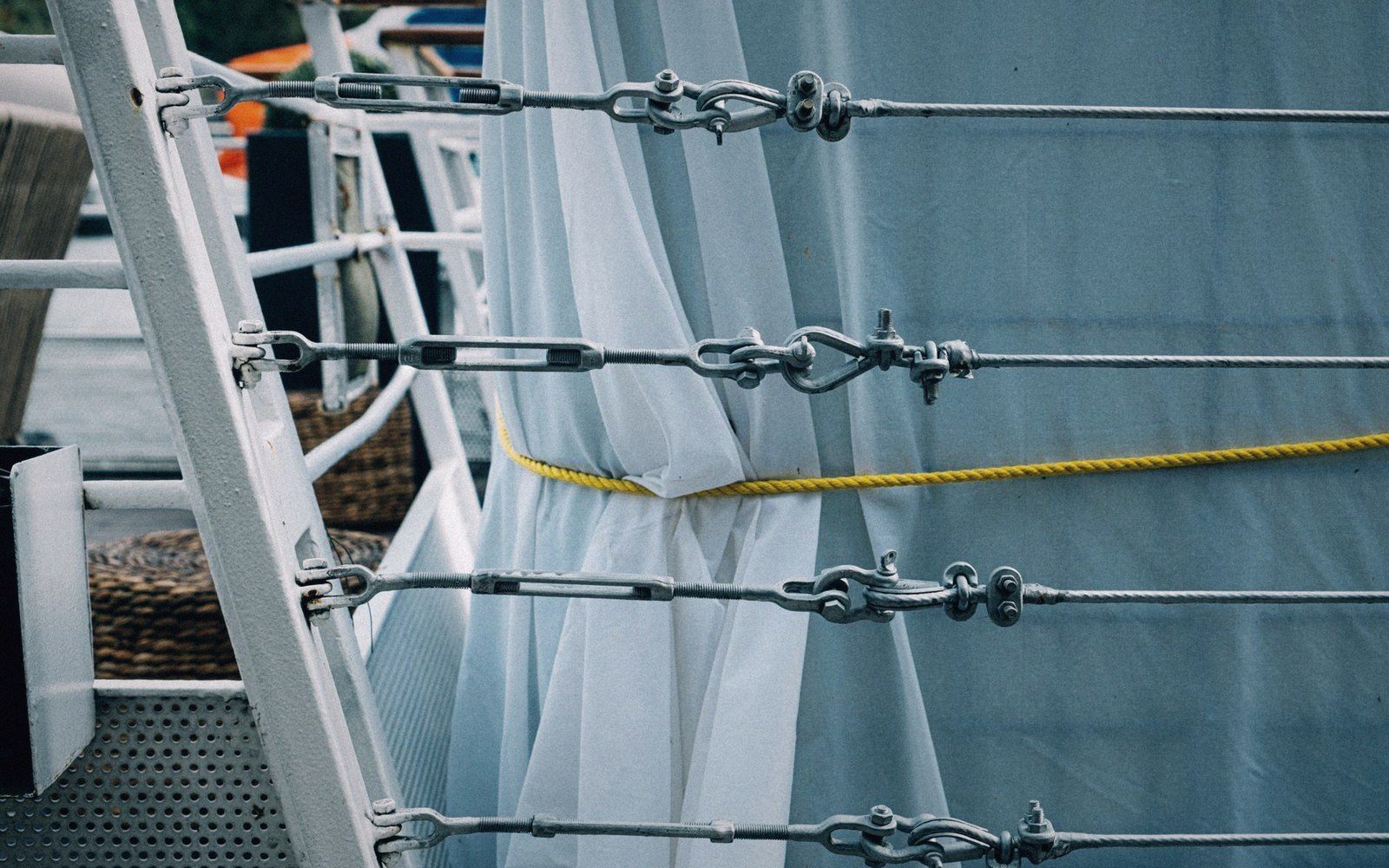
A wire does not make a performer weightless. It removes a precise portion of weight, and that fraction is the whole argument about what the shot can be.
The Distinction That Runs Everything
The common description of wire work is that performers "fly." The more accurate description is that a wire redistributes load: some portion of the performer's weight is transferred from their body to the rigging overhead, and everything about the gag — its look, its feel, its repeatability — follows from which portion that is and when the transfer happens.
At one extreme, a wire can take nearly all of a performer's weight. In that configuration, they are effectively suspended: legs hang, arms move freely, and the wire is doing the structural work that their skeleton normally does. This is how wire-assisted falls over water or a box rig are often managed. At the other extreme, a wire might take only ten or fifteen percent, barely enough to alter timing on a jump or soften a landing. Both are wire gags. They look and feel entirely different, and they make different demands on the performer and the rigging crew.
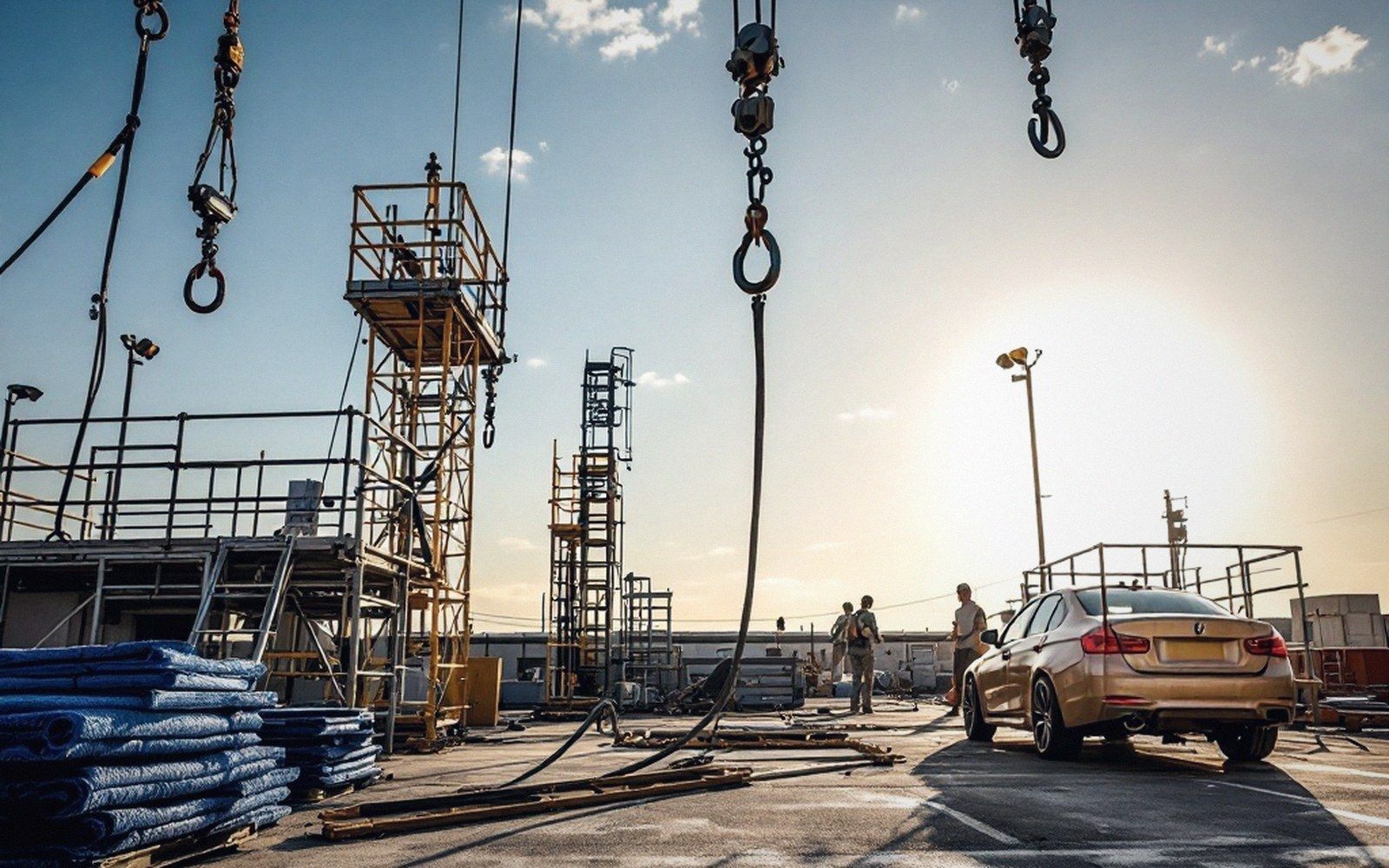
That range is the first thing a stunt coordinator thinks about when wire work enters a breakdown. Not "will there be a wire" but "how much will the wire carry, when, and in which direction." The answers determine whether the shot is achievable at all, how many repeats the performer can sustain in a day, and what will show on camera.
From the build
Key distinctions
Forces, Directions, and Why Neither Is Simple
A wire in tension pulls upward. That is the elementary case: oppose gravity, reduce the effective weight pressing down through the performer's spine, hips and knees. But most wire gags are not elementary. A horizontal swing, a yank backward, a pull that lifts from one hip to create a rotating tumble — each of these introduces a force in a direction the performer's body was not generating on its own. The wire is no longer just unloading weight; it is adding a vector.
This matters for two reasons. Physically, any force not aligned with the performer's centre of mass will produce rotation, and unintended rotation is what causes injury. A rig that applies its tension slightly forward of centre during a lift will begin to tip the performer face-down; one applied behind centre tilts them back. Rigging for pendulum motion means planning for exactly this: the arc is not a nuisance to be eliminated, it is a geometry that has to be acknowledged and worked with or it will appear in the shot without warning.
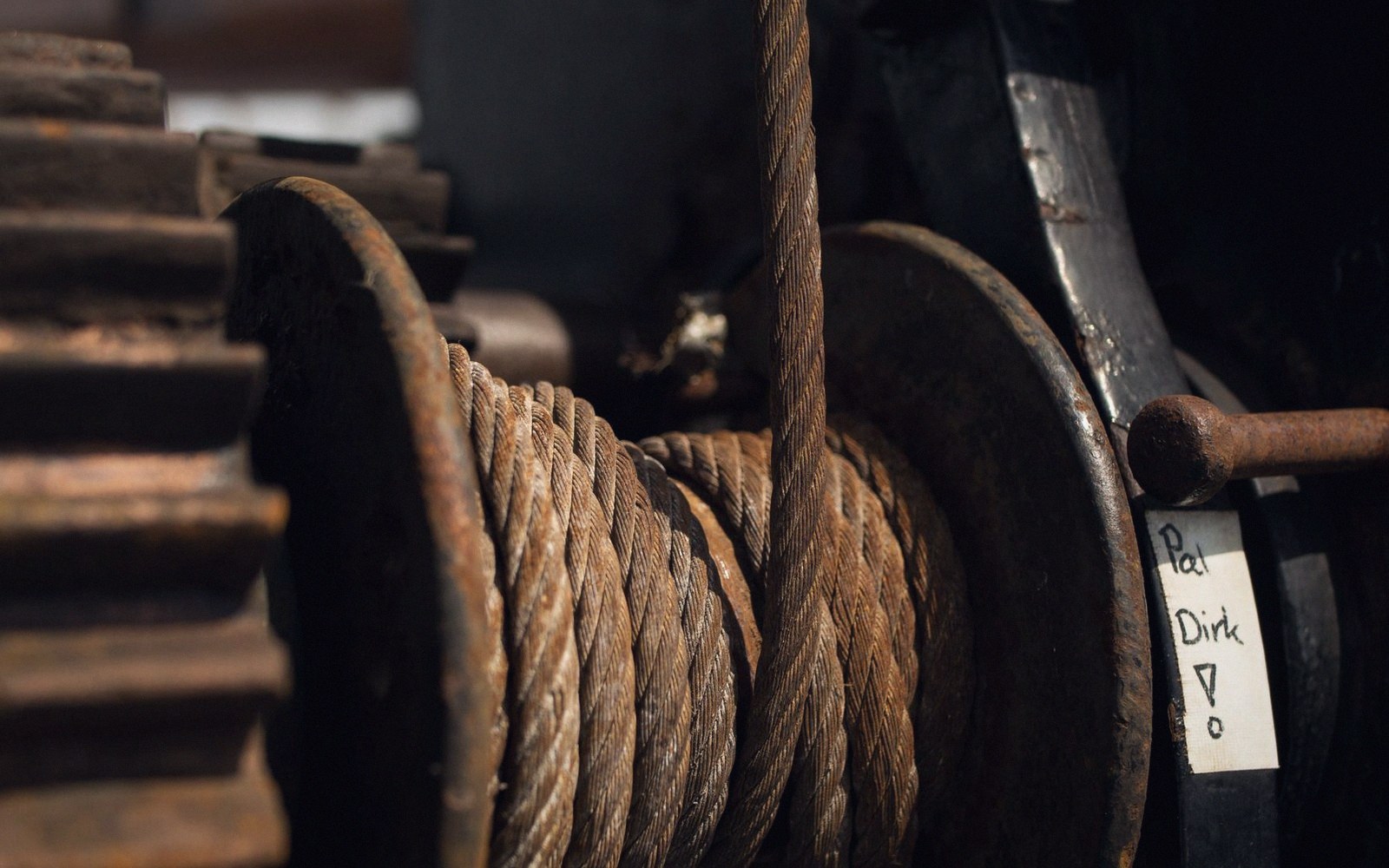
The second reason is visual. Audiences have internalized what a human body does under gravity — the trajectory of a running jump, the shape of a fall, the way a person collapses when struck. Wire work becomes visible not when the wire is visible, but when the body moves in a way that gravity alone would not produce. The chest rises before the legs, or the fall takes three frames too long, or the body hangs just slightly past the point where a real fall would have finished its arc. These are not wire problems; they are load-distribution problems. The rig is not yet matching what physics would produce, and the eye reads the difference without the brain quite naming it.
From the build
Attachment geometry
Harness, Attachment, and Why the Performer Still Works
A wire transfers force through a harness, and the harness introduces its own geometry. Where the attachment point sits on the performer's body — back, chest, hip, single point, spread across a full-body rig — determines which muscles are freed and which still carry load, and how the body reads on camera.
A back attachment is common for flying configurations because it is hidden and distributes the upward pull across a wide area. But it also means the performer's arms, legs and head are fully "live" — they still weigh what they weigh, and the performer is still actively controlling all of them. The wire has reduced the load on their core and lower body, but the work of performing the scene has not gone away. A physically demanding wire sequence is still physically demanding; the load is altered, not eliminated.
In that configuration, they are effectively suspended: legs hang, arms move freely, and the wire is doing the structural work that their skeleton normally does.
Hip or waist attachments allow a more upright hang but can restrict motion at the pelvis and read as stiff if the performer does not compensate actively. Chest rigs, used when a performer needs to look horizontal, shift the hang point forward and require the performer to resist the tendency to fold at the waist. Every configuration is a negotiation between what the camera needs to see and what the performer can sustain across a day of shooting.
The rigging crew — and on a substantial wire sequence, the wire coordinator working with the stunt coordinator — will rehearse the attachment geometry before any load is applied to the full system. They are not just checking that the harness fits; they are confirming that the load paths through the attachment hardware correspond to the load paths that were calculated in prep. A harness that was fine at a fitting can behave differently once a performer is moving at speed through a yank or a controlled descender-fed fall, and the rehearsal is where that discovery is supposed to happen.
Transient Loads: The Yank, the Arrest, the Launch
Static hanging tells you about the minimum load in a system. The dangerous numbers appear in the transients — the moments when a moving performer reaches the end of a wire's travel, or when a ratchet fires and the system goes from slack to taut in a fraction of a second.
When a wire arrests motion, it does so over a very short distance unless something in the system is designed to extend that distance. The longer the arrest takes, the lower the peak force the performer experiences. This is the same principle that governs how a mat stack works, translated into wire mechanics: a sudden stop produces a very high peak force, so the engineering problem is to make the stop less sudden. Elastic elements, controlled-friction devices, and the geometry of the rig itself all contribute to managing transient loads. The target is a peak force the performer's body and the attachment hardware can absorb without injury, repeated across however many takes the production needs.
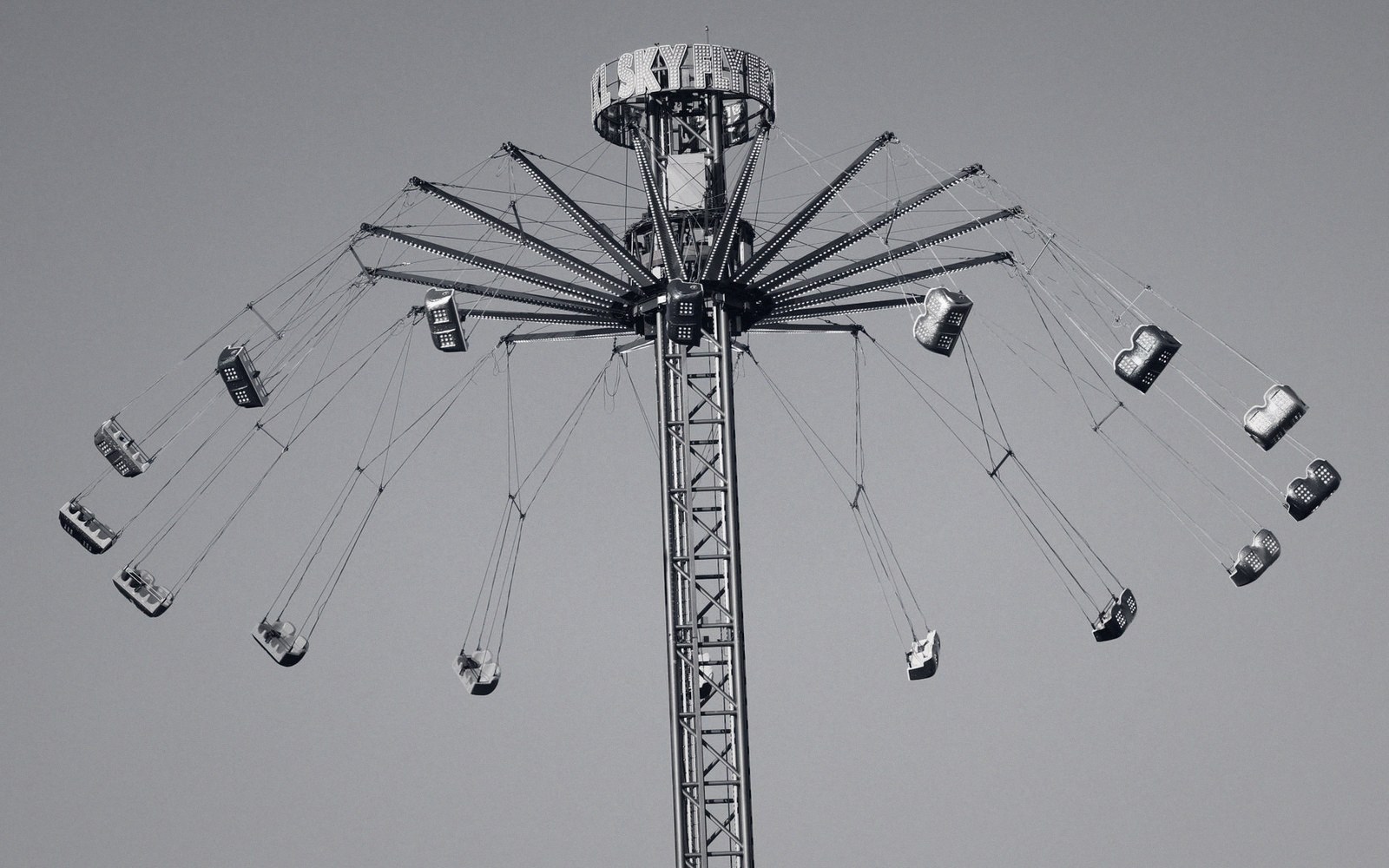
The ratchet — the stored-energy device that accelerates a performer suddenly — inverts this problem. Now the wire is launching rather than arresting, and the initial application of force is the transient event. The performer goes from stationary to moving in a fraction of a second, which is why ratchet gags require precise attention to how the body is oriented at the moment of firing. Any rotation introduced at launch is amplified as the performer travels through the arc.
In both cases, the arithmetic of the gag lives in those brief moments of maximum load, and the rig is designed around them, not around the calm portion of the move that appears in the cut.
The ratchet — the stored-energy device that accelerates a performer suddenly — inverts this problem.
What Shows on Camera and What the Wire Buys
Wire work, used well, does not produce weightlessness. It produces credibility. A performer taking a hit in a fight scene with a wire removing a fraction of their weight can sell a reaction that would otherwise require either a real impact or obvious padding. The wire is doing something small enough that the body still reads naturally, but large enough that the performer can commit fully to the motion without injury.
At the other end of the scale, a full suspension sequence in which a performer is genuinely carried across a set requires wire work that is doing almost all the structural work, and the challenge shifts entirely to hiding or removing the hardware from the frame. The wire is present in every creative decision about camera angle, wardrobe and the performer's sightline. Sequences where the wire is removed in post are not an afterthought; the decision about which approach to take — practical concealment versus digital removal — is made before anything is rigged, because it affects the rigging itself.

What wire work cannot do is eliminate the skill of the performer inside the rig. The redistribution of weight changes what the performer is working against, but it does not change the fundamental requirement: the body has to make the physics look real, and looking real is a different problem from being safe. A well-designed wire gives the performer the opportunity to make those two things happen simultaneously. Getting that right is a collaboration between the rigging department, the stunt coordinator, and the performer — worked out across rehearsals at reduced load, adjusted until what the camera sees matches what the coordinator calculated it would see, and then locked before the main unit arrives.
The wire is doing its job when the audience cannot describe what it is doing. The physics is still there — weight, force, arc, transient load, attachment geometry — but the shot reads as a person, moving through a world that is behaving the way the world is supposed to behave. That is what the wire is actually doing.
Second Unit is an independent publication about stunt work and practical effects. It is not an awards body, production company, training provider or industry organisation.