The Safety Apparatus
The Medic, and the Right to Stand Down
- Manages
- The right to stop
- Turns it into
- A concern into a halt
- In the hands of
- Medic, safety officer, anyone present
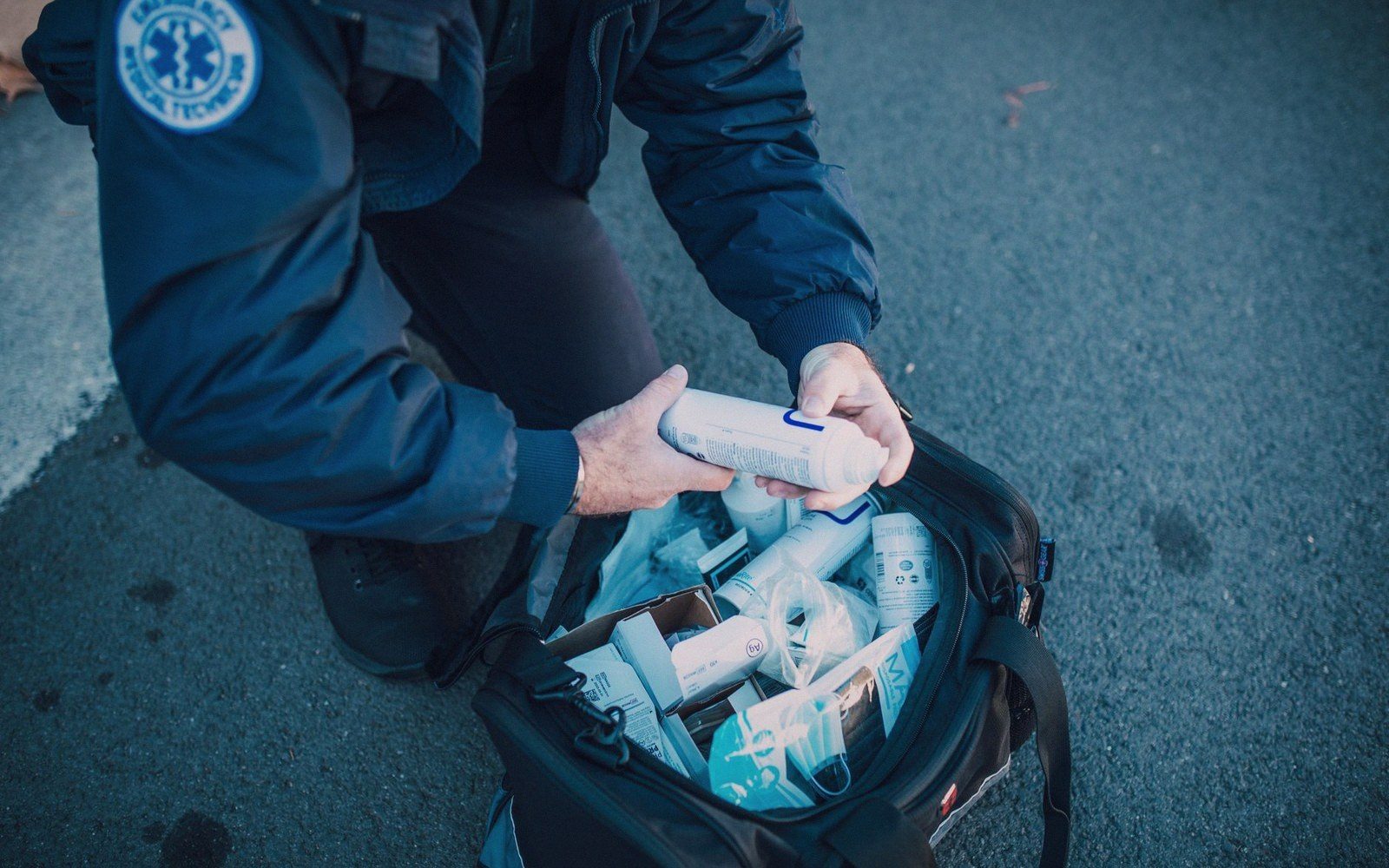
The stop signal is not the director's alone. Understanding who holds it, and why that redundancy is structural, not ceremonial.
The Room Has Multiple Exits
When a stunt coordinator calls a halt during setup, no one on a professional set questions the authority. That part is broadly understood, even by people who've never worked in the industry. What's less visible from the outside — and genuinely consequential — is how far down the chain that authority travels, and how deliberately it has been distributed.
The medic on a stunt day is not a passive presence at the edge of the action. On any shoot involving a classified stunt — a fall, a fire gag, a vehicle rig, a ratchet pull — a qualified first-aid or medical professional is a contractual requirement, and their role is active from the moment rehearsal begins. They are reading the performer. They are watching for things the coordinator is not positioned to see: a shoulder that isn't moving quite right in the warm-up, a hesitation in a performer's eyes that might be fatigue or might be a genuine neurological flag. That observation feeds back into the pre-gag conversation, and it can change whether the gag happens at all.
The right to say stop is not a courtesy extended to the medic. It is a structural feature of how the day is built.
The Wider Circle
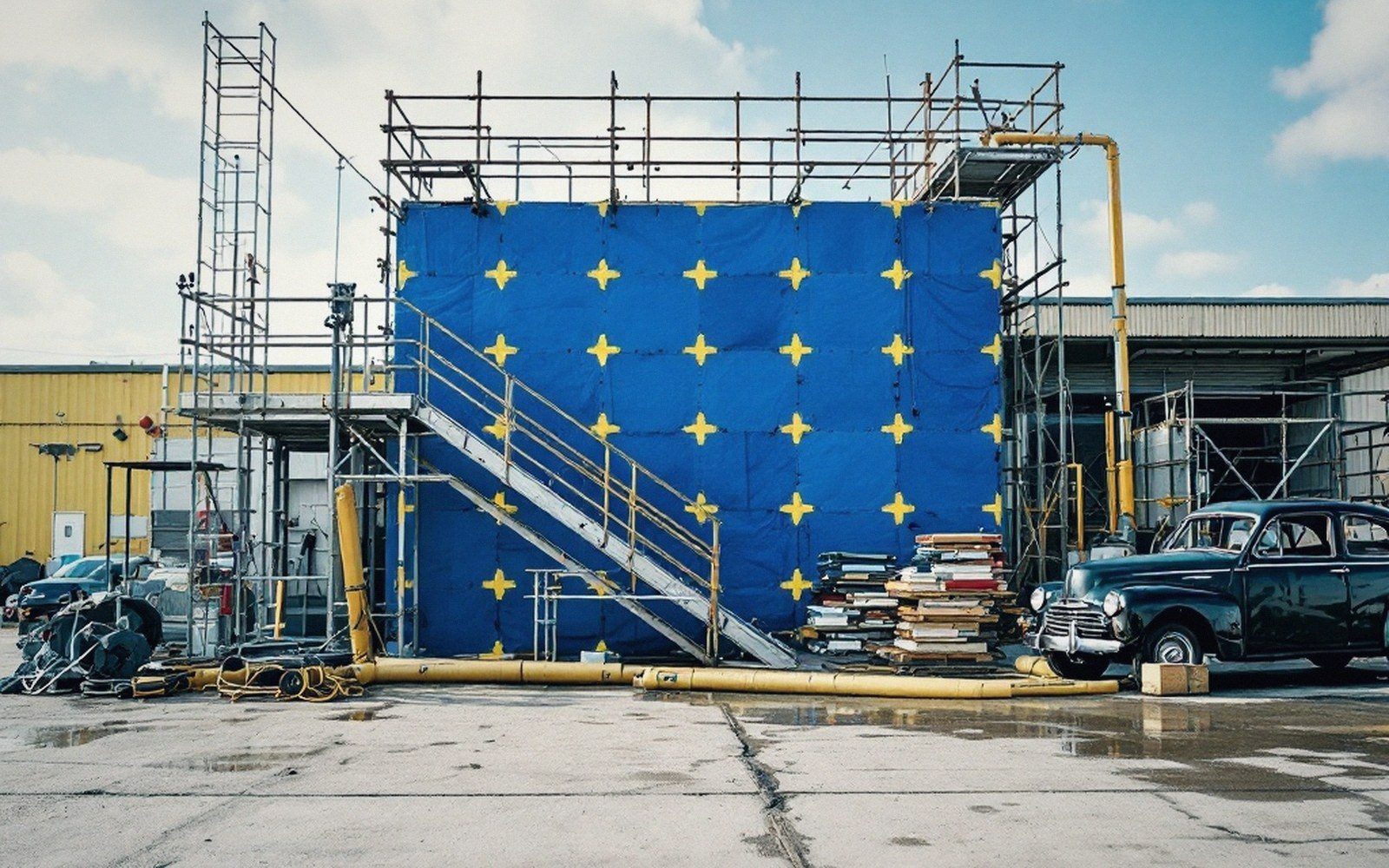
Safety officers — sometimes titled production safety advisors, sometimes employed directly by the studio or network, sometimes contracted through specialist consultancies — carry authority that is independent of both the stunt department and the director. On larger productions, their sign-off is a formal gate before a gag can be attempted. On smaller ones, the structure is less rigid, which is precisely where the gaps have historically appeared. Serious incidents on set have, across decades, tended to cluster at the point where that independent oversight was thinnest or most informally defined — something the industry's regulatory and procedural responses have explicitly addressed.
In the United Kingdom, the relevant framework sits within the Health and Safety at Work Act 1974 and the associated Management of Health and Safety at Work Regulations. Any worker — crew, performer, focus puller, production assistant — has the legal right to withdraw from a task they reasonably believe presents a serious and imminent risk. This is not stunt-specific. It applies uniformly. On a stunt day, it means a camera operator who is uncomfortable with where they're positioned has standing. It means a grip who is unhappy with a load path can say so. The stunt coordinator is not the only person with the vocabulary to flag a problem; they are simply the person most likely to have seen the problem before.
In the United States, the stunt coordinator and the production's designated safety officer both carry formal authority to halt a shot. The relationship between those two roles — and between them and the first assistant director, who physically runs the floor — is a negotiated space, and navigating it well is part of what separates a functioning safety culture from one that exists only on paper.
From the build
Who holds the stop signal
What "Stand Down" Actually Looks Like
A stand-down on a stunt day is rarely dramatic. More often it's quiet: a word in the coordinator's ear, a short conversation at the side of the set, a decision to bump the gag and come back to it after the performer has eaten, rested, or the wind has dropped to within the agreed envelope. The gag that gets postponed is almost never announced to the wider crew as a safety call — because it doesn't need to be. The culture that handles this well is the one where a stand-down requires no explanation beyond "we're not doing it right now," and nobody needs to ask why.
The harder case is when the flag comes later — during rehearsal at speed, or at the top of a structure, when stopping feels costly against the day's schedule. This is where the medic's independent status matters most. They are not on the hook for the schedule. Their metric is the person in front of them, and they have no professional incentive to approve a gag they have doubts about. The same logic applies to the safety officer: their relationship is to the risk, not to whether the company gets the shot today.
What makes this work is not the authority alone, but the agreed-upon fact that using it carries no social penalty. A performer who says they're not ready is not being difficult. A medic who calls a pause is not overstepping. The count, the abort signal, the stand-down protocol — all of it belongs to the same logic: that everything is called, and the calling is the mechanism, not the exception.
The Point of Redundancy
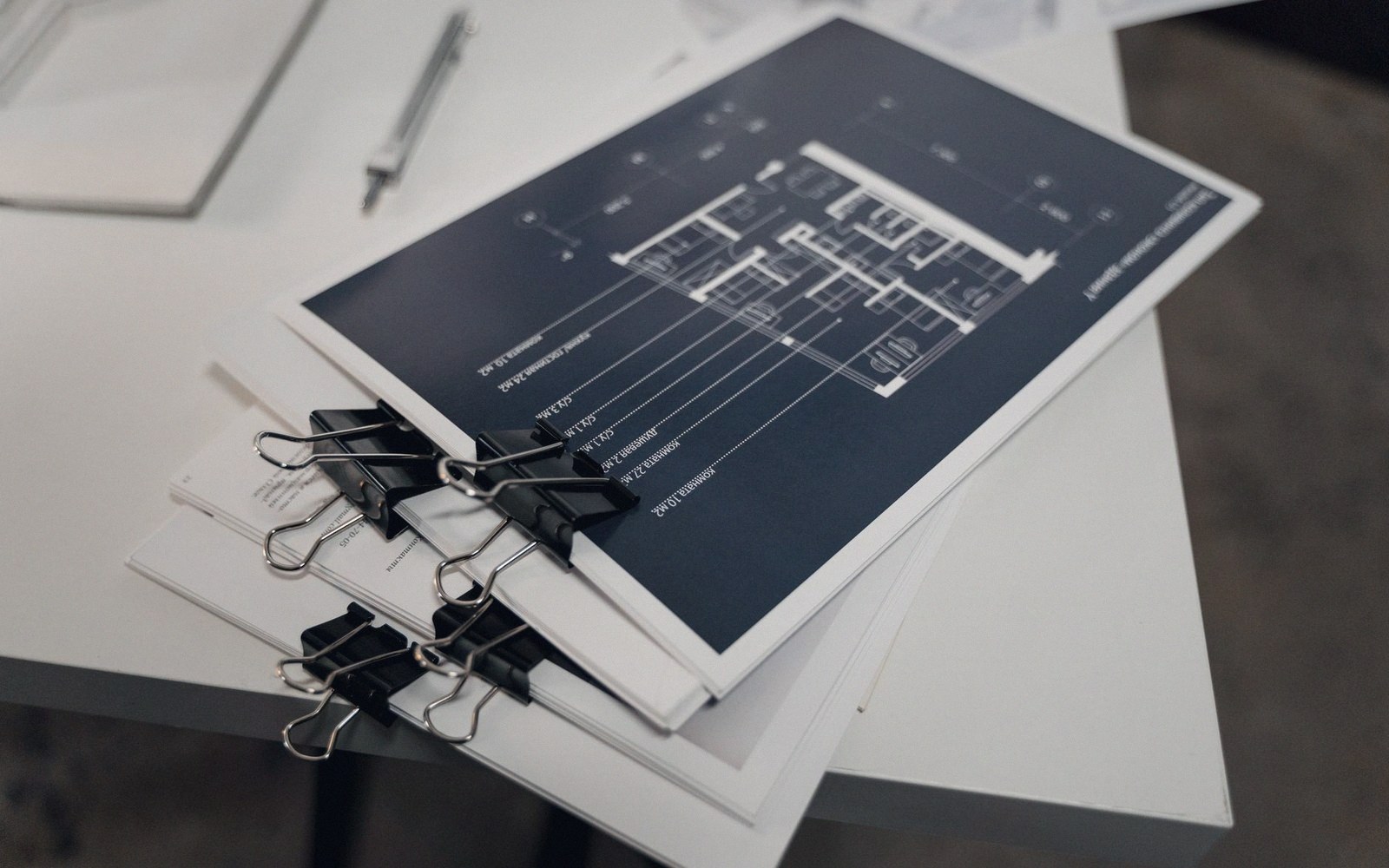
No single person should be the only person who can stop a gag. The coordinator, the safety officer, the medic, the performer themselves — each holds a separate piece of the authority, and the system is designed to function even if any one of those voices is hesitant or absent. The redundancy is the point. It exists because set culture can suppress individual judgment: the pressure to keep the day moving is real, and it accumulates. Distributing the stop signal across multiple independent roles is precisely how the architecture resists that pressure. The spectacular part of a stunt gets all the attention. The meeting beforehand, the medic's quiet word, the decision that never shows up on screen — that's where the gag was actually made safe.
From the build