The Safety Apparatus
The Count
- Manages
- Who speaks, and when
- Turns it into
- Action and abort into one protocol
- In the hands of
- Everyone on the floor
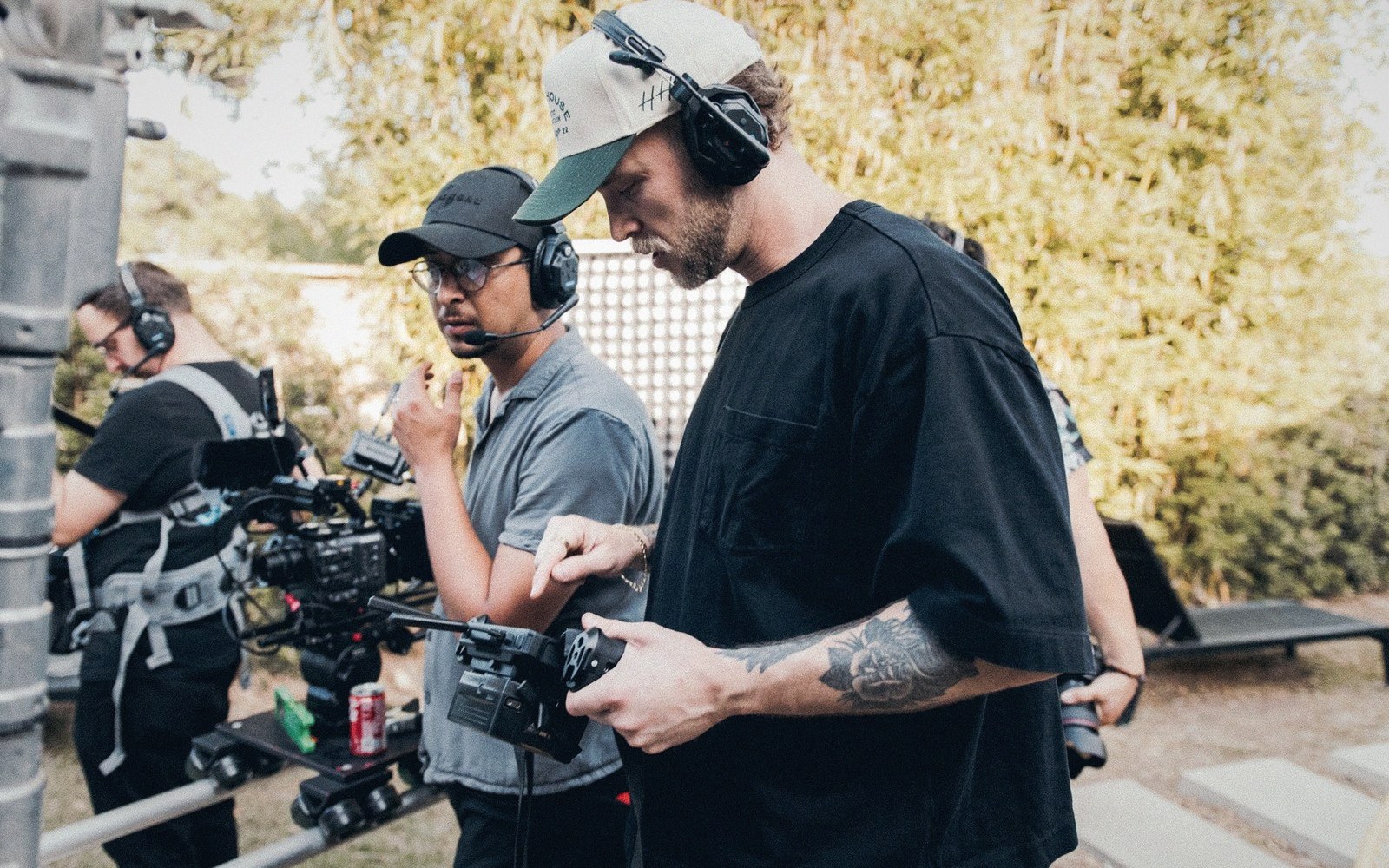
The words are as load-bearing as the wire
Before a single gag rolls, the coordinator and the first AD agree on exactly three things: what word starts it, what word stops it, and what word means stop everything right now. Those three calls — action, cut, abort — are the verbal skeleton of the shot. They are not convention or politeness. They are the control system.
The reason is simple and structural: on a gag with a hard physical ceiling, everyone in the chain needs to hear the same word and have only one possible response to it. A fire performer knows that the moment the abort call goes out, they drop to a position that gives the safety crew a clear approach. A driver hears cut and lifts — not interprets, not makes a judgment call. The word is designed to be unambiguous, short, and impossible to confuse with anything that might appear in a script or in background conversation. That last point matters more than it sounds. A period drama with a character named Jack Abbott has burned more than one coordinator's planning session.
The count itself
"The count" is the timing protocol that runs inside the shot. On a fire gag, the performer knows before they ignite how many seconds the exposure lasts. That number is agreed in the production meeting, confirmed in rehearsal, and called aloud at the moment of action. A designated person — not the director, not the DP — watches nothing but a stopwatch and calls the seconds. At the agreed ceiling, the cut comes whether or not the camera has what it needs. The shot does not run long because the take was going well.
The same logic applies to any gag with a defined physical limit: a breath-hold, a temperature threshold, a window of controlled descent. The count is not a rough guide. It is the hard boundary. Everyone on set knows it before rehearsal begins, and the person holding the stopwatch answers to the safety coordinator, not the director.
This is not a procedural nicety — it is the mechanism that prevents the cumulative pressure of a film set from quietly overriding a safety margin. Sets are expensive by the minute. Directors want one more second of footage. The count exists precisely to be immune to that pressure, and the structure works because the person calling it has no other job in that moment.
From the build
The three calls — what each one means on the floor
When it breaks down
Failures in verbal protocol follow a small number of patterns. Competing voices — two people calling different words simultaneously — produce the worst outcomes because the performer must make a real-time choice with no good option. Ambiguous terminology is the second failure mode: a cut that sounds like a question, an abort called quietly, an action buried under background noise from a generator or wind machine.
The fixes are unglamorous: radio discipline, designated caller, pre-agreed hand signals as a redundant channel for environments where audio is unreliable. On water gags, helicopter shots, or anything running with significant ambient noise, the verbal call is often paired with a visual cue — a flag drop, a light panel — so that the count survives conditions the voice doesn't.
Post-incident review, when it happens, often finds that the rig held and the physical engineering was sound. The breakdown was in the information layer — someone heard the wrong word, or heard nothing, and responded to what they thought was being asked. The rigging tolerances were designed to handle force. They were not designed to handle confusion.
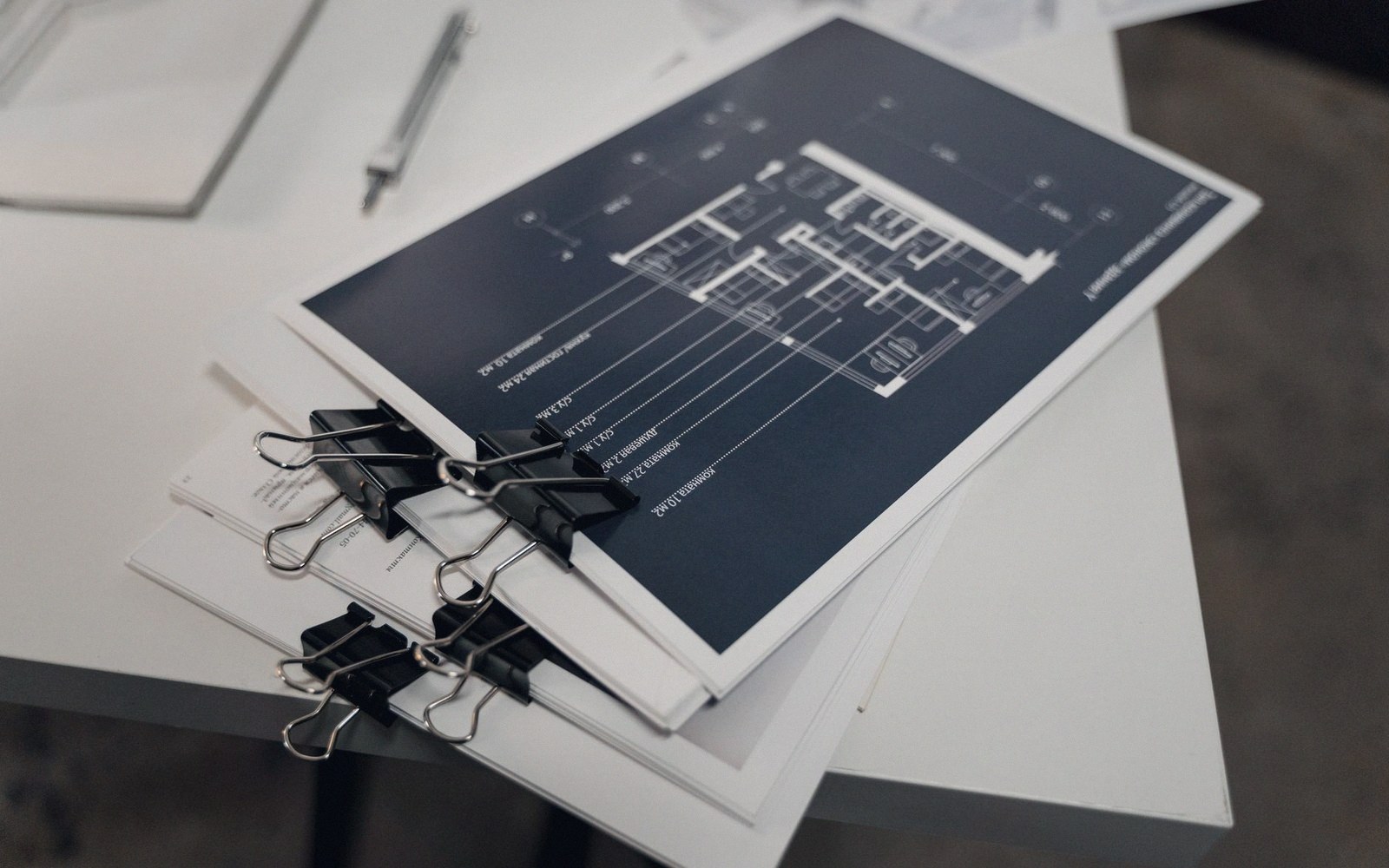
That is why the three agreed words are written on the call sheet, read aloud at the safety meeting, and repeated at the top of every take. The spectacular part of a gag is built in the days before the camera rolls. The verbal protocol is what keeps the spectacular part from becoming the incident report.
From the build