The Safety Apparatus
What Changed After
- Manages
- Practice, after the fact
- Turns it into
- Incidents into written procedure
- In the hands of
- The industry, collectively

When the industry rewrites its own rules, something bad has usually happened first
Stunt safety in the United States is not primarily a story of gradual, enlightened improvement. It is a story of reactive adjustment — of specific incidents, each followed by a period in which enough people inside the industry decided that the way things were done was no longer defensible. The changes that emerged from those periods are now structural: language in guild agreements, clauses in production insurance policies, line items in the safety-meeting log. Most viewers watching a well-executed gag have no idea they are watching the downstream consequence of something that went wrong on a different set, sometimes decades earlier.
Understanding that history is not about assigning blame. It is about understanding why the current apparatus looks the way it does.
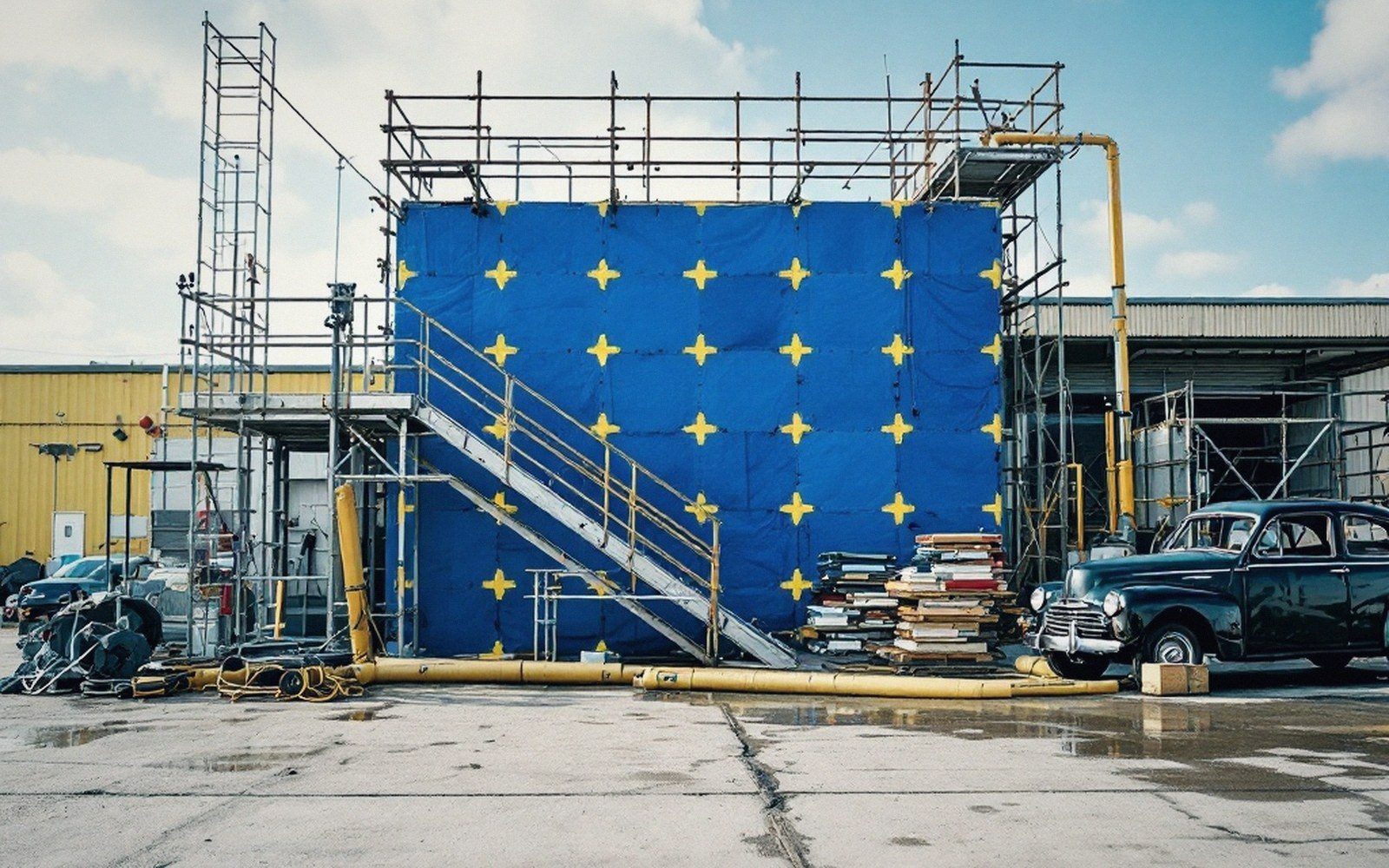
The regulatory layer gets built from the outside in
For most of the studio era, the rules governing stunt work were largely informal. Experience passed person to person, within tight professional networks, and the understanding of what was acceptable risk sat with individual coordinators and directors. When something went wrong, the response was often internal and quietly absorbed. There was no systematic mechanism — regulatory, contractual or otherwise — that compelled a production to document, report, or revise.
That began to change in the United States after a series of high-profile incidents during the 1980s prompted both legislative attention and sustained pressure from within the industry. The most consequential shift was the application of California's Division of Occupational Safety and Health — Cal/OSHA — with genuine enforcement authority to film and television production. This was not a voluntary development. It followed documented deaths and injuries on sets where the distinction between a "stunt" and a production decision made without a qualified coordinator had become dangerously blurred. Cal/OSHA's Motion Picture and Television industry guidelines established, among other things, that every potentially hazardous effect — including pyrotechnics, high falls, vehicle work and water work — required advance notification and a documented plan. The coordinator became a named, accountable role, not simply a senior performer on set.
From the build
Key institutional actors
At the same time, the Screen Actors Guild strengthened its stunt-specific contract provisions. The right to refuse an unsafe assignment — the right to stand down — moved from informal professional norm toward contractual protection. Safety meetings, already practiced on many sets, became a formal requirement for certain categories of work. These changes did not happen uniformly overnight, but the directional shift was clear: accountability was being distributed, documented and enforced rather than carried invisibly by individuals.

What individual incidents produced
The helicopter accident during the production of Twilight Zone: The Movie in 1982 is the most-cited single event in the history of American film safety regulation, for reasons that go beyond its severity. The subsequent criminal trial — which ended in acquittals but lasted years — was the first time a director and producers faced criminal charges arising from an on-set death in the United States. The trial produced extensive public testimony about how the decision to film the sequence had been made, and the gap it revealed between the formal safety apparatus and what actually happens when production pressure meets a complicated gag was plainly visible to everyone watching. The lesson was not only technical. It was structural: who has the authority to say no, and how is that authority protected from being overridden by a director, a producer or a schedule?
That question — how the authority to stop a shot is distributed and insulated — is one the industry has returned to repeatedly since. It shaped the expansion of the safety coordinator role as distinct from the stunt coordinator role: someone whose job description is entirely about hazard management, who reports to production but whose authority to call a stand-down is not contingent on someone else agreeing with the assessment.
From the build
Turning points in regulatory history
Practical effects, particularly pyrotechnics, generated their own wave of regulatory revision after a series of incidents in the 1990s and 2000s. The relevant changes touched both licensing requirements for special effects technicians and the distances — written into production safety plans — that separated burn areas from unprotected crew. The logic was the same as in the helicopter case: the gap between what a formal plan said would happen and what actually happened on the day. Closing that gap meant making the plan harder to deviate from informally.
Stunt safety in the United States is not primarily a story of gradual, enlightened improvement.
The documentation culture is itself a safety tool
One lasting structural change across all of this is the shift toward documentation as an active safety mechanism rather than a paper trail assembled after the fact. A contemporary stunt breakdown — the coordinator's initial read of a sequence — generates written risk assessments, site inspection records, stunt player briefings, rehearsal logs and pre-rigging sign-offs before a camera rolls. That paper exists partly for regulatory compliance, but it functions as something more: it slows decisions down. Committing something to a written safety plan makes it harder to informally walk back a safety measure because shooting is running late.
Insurance underwriters reinforced this independently of regulators. By the 2000s, production liability coverage increasingly required documentary evidence that specific safety protocols had been followed for hazardous sequences. A production that could not produce a stunt breakdown, a medical presence log, and a coordinator sign-off for a fire gag or a high fall was not merely out of regulatory compliance — it faced potentially uncovered exposure. The industry's financial architecture, not just its professional ethics, came to support the documentation culture.
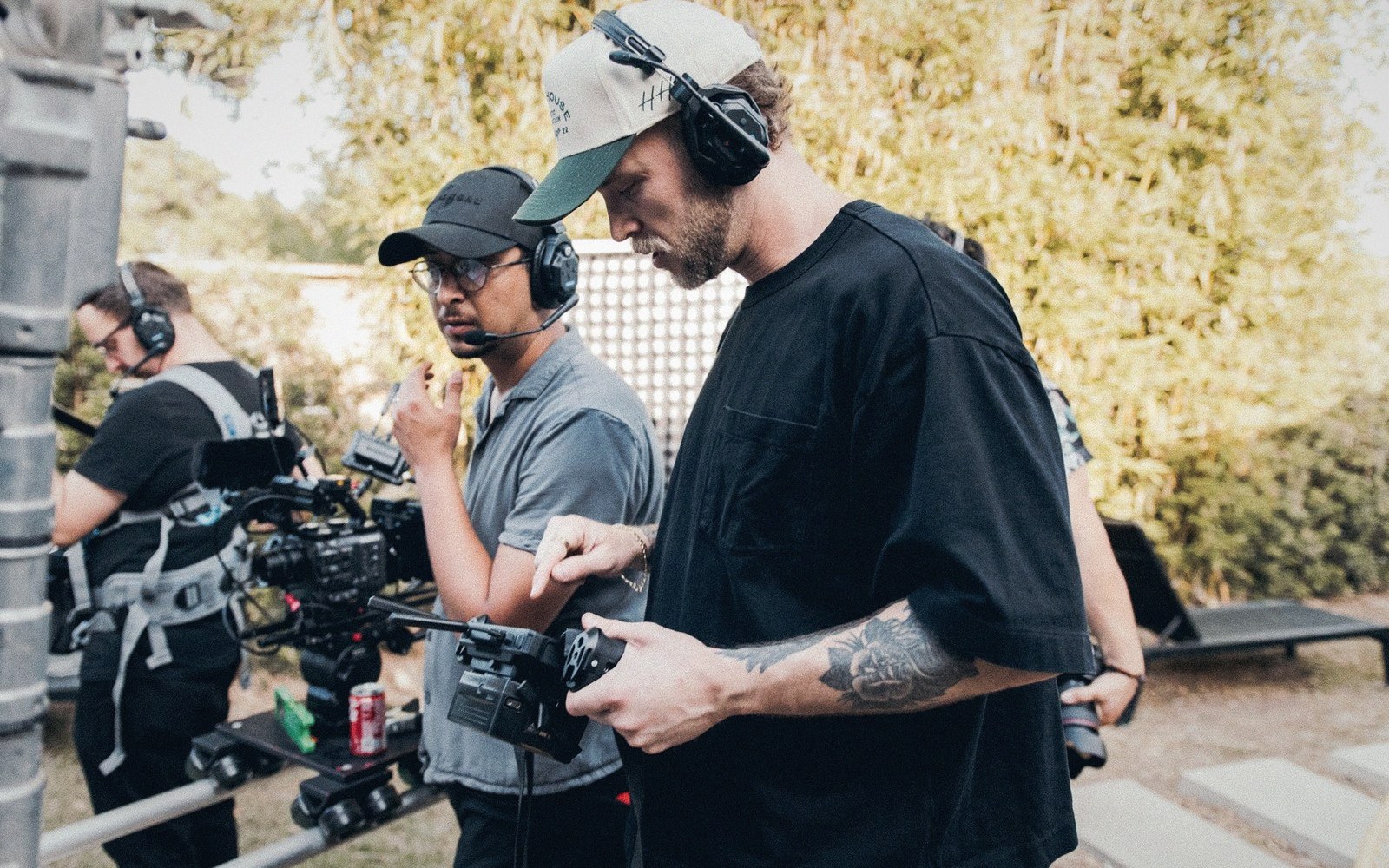
The international picture is uneven
In the United Kingdom, the Health and Safety Executive applies to film production under the same framework it applies to any other workplace, and the relevant guidance — produced jointly with the British Film Commission — has been updated incrementally as specific incidents generated improvement recommendations. The HSE framework's emphasis on proportionality and documented risk assessment broadly parallels the Cal/OSHA approach, but the enforcement history and the specific contractual protections built up by the stunt community differ in detail. Elsewhere, the variation is wider. Some production markets have robust frameworks; others are still operating closer to where the American industry was in 1975. International co-productions navigating multiple jurisdictions have become, inadvertently, a site for regulatory arbitrage — and that remains an unresolved problem.
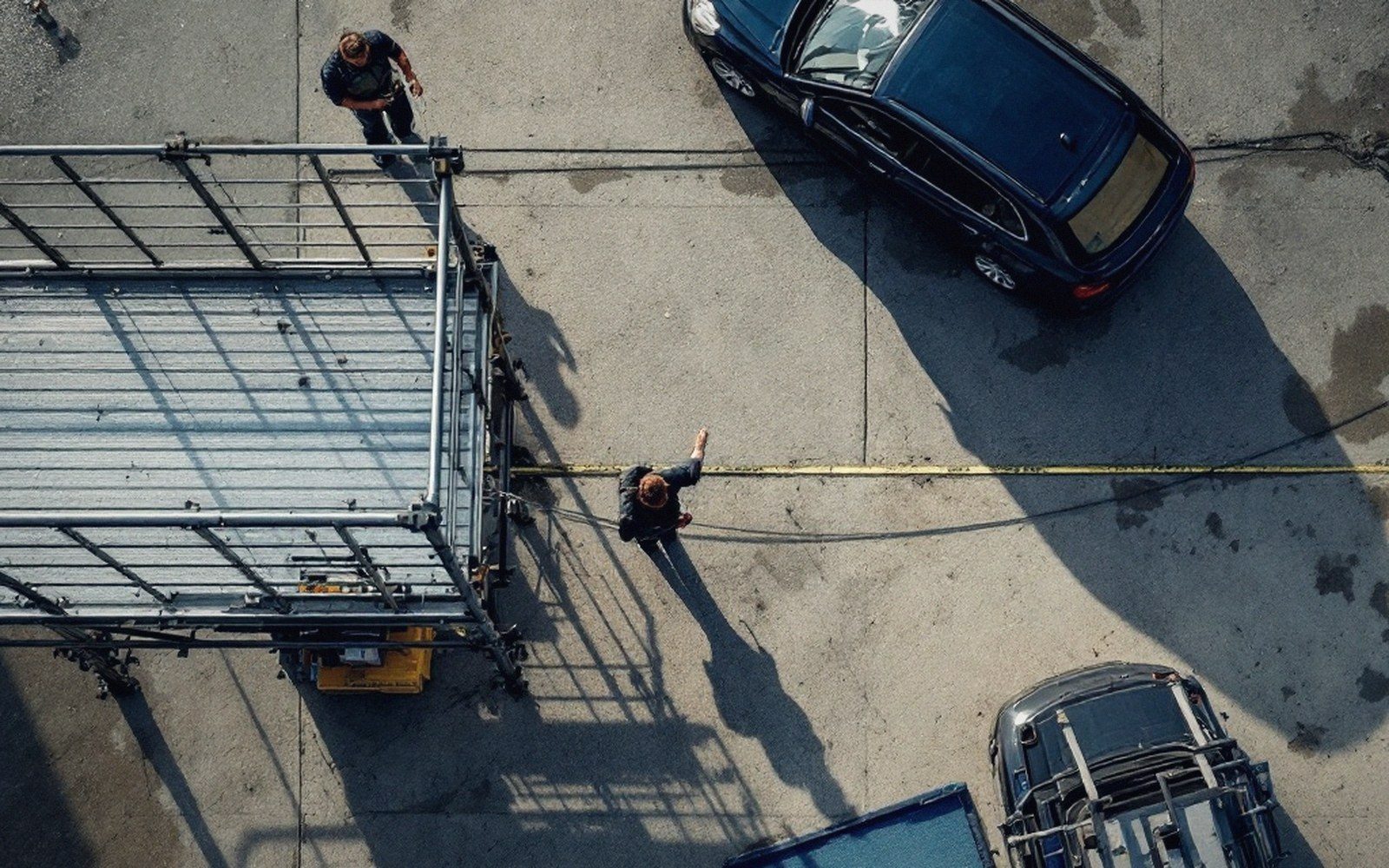
What has not changed, and why
The irreducible core of stunt work is that a trained human body is placed into a genuinely hazardous situation, and no amount of regulation fully eliminates the moment of real risk. What regulation and contractual evolution have done is compress the space in which informal decisions override formal ones, extend the population of people who have a protected right to stop a shot, and make the cost of skipping safety steps — financial, legal, reputational — high enough to change production-level behavior in most circumstances.
None of that is sufficient in every case. Set safety incidents have continued to occur, including in recent years, and each has generated renewed examination of whether the current framework has gaps. The industry's capacity for honest self-examination has improved considerably since the early 1980s, largely because the mechanism for that examination — regulatory inquiry, guild review, production insurance audit — is now built into the structure rather than depending on the willingness of individuals to volunteer uncomfortable information. That is the real legacy of what changed after: not a solved problem, but a more reliable process for finding the next gap before it becomes the next incident.
Second Unit is an independent publication about stunt work and practical effects. It is not an awards body, production company, training provider or industry organisation.