Vehicles
Driving to a Mark
- Manages
- Speed, line and timing
- Turns it into
- Driving into choreography
- In the hands of
- The precision driver
The Unglamorous Majority of Vehicle Work
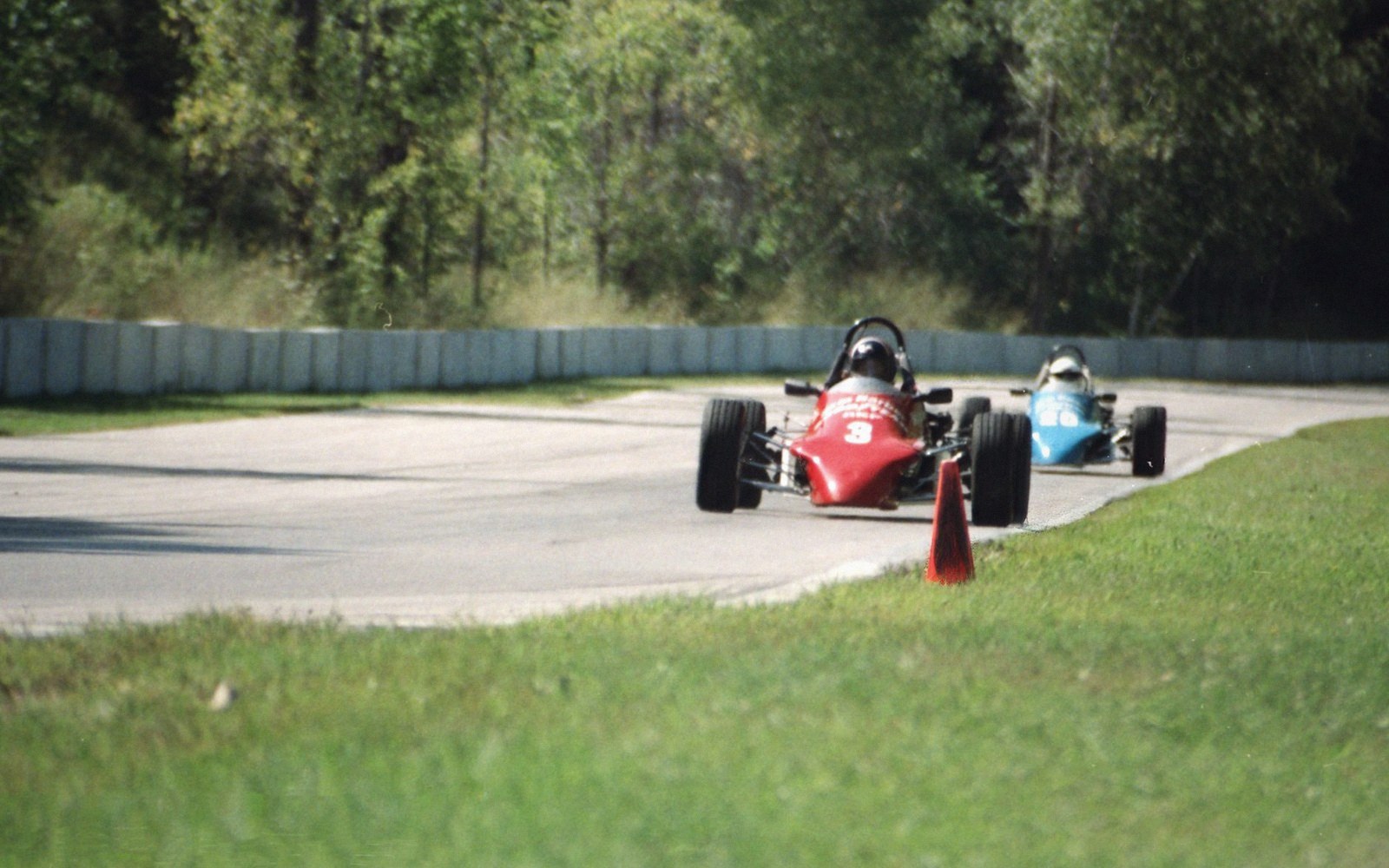
Precision driving is not the ramp, the roll, or the chase. It is the other ninety percent — the shot where a car arrives at an intersection on frame five of a camera move, or stops with the driver's window aligned to a lens that has no room to reframe. Nothing blows up. The stunt driver climbs in, drives twenty metres, and stops. Then does it again, and again, until the take is right. It is repetitive, demanding, and almost invisible in the finished film, which is exactly the point.
A mark in vehicle work means the same thing it means on foot: a precise position on the ground, confirmed by the camera department. The difference is that a car arriving at a mark carries considerably more momentum than an actor hitting a chalk X. A driver who overshoots by a foot may clear the lens's field of view, or — in a tighter scenario — close a gap that the coordinator has kept open as a safety margin. The mark is not an aesthetic preference. It is an engineering parameter.
Speed, Count, and the Camera Alongside
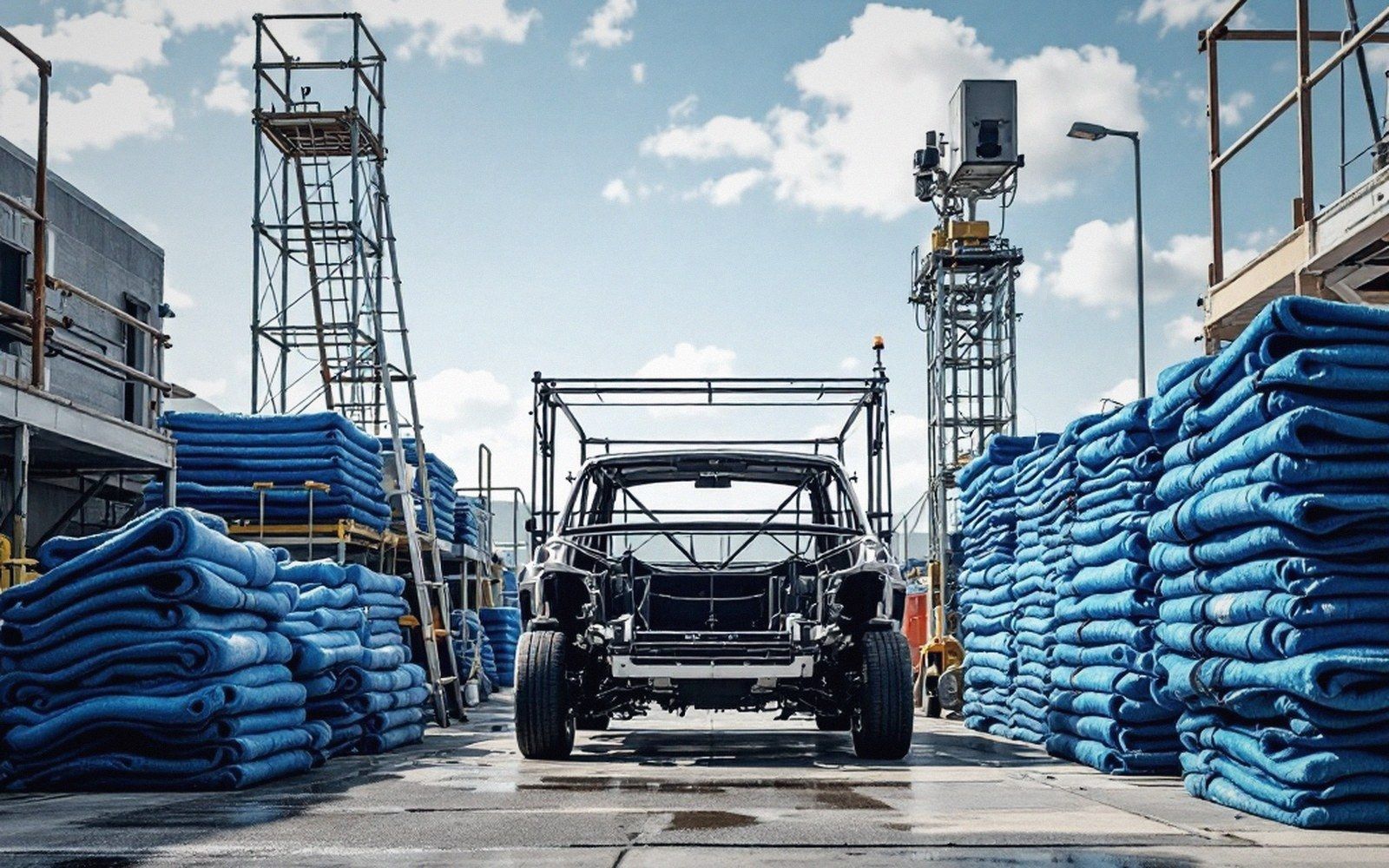
The majority of precision driving calls involve three variables that must arrive simultaneously: the car at its mark, the camera at its position, and the action — a door opening, a figure emerging, a second vehicle clearing frame — on a specific beat. Getting one of those right without the others produces an unusable shot. Getting all three right on the same take, in continuity with a camera car that is itself being driven by a precision driver, is the actual job.
Camera cars — whether a low-slung Russian arm vehicle, a side-mounted hostess tray rig, or a full process trailer — are driven by their own precision operators, typically working under the camera department's instruction for framing and the stunt coordinator's oversight for safety. The two vehicles must be synchronised without physical connection. They rehearse the move together, establish a shared count — the count is the agreement that makes the whole choreography repeatable — and then run it until the approach speed, the braking point, and the arrival are consistent enough that the camera operator knows, within a small margin, exactly where the picture car will be on every beat.
Speed is not approximated. A driver arriving at forty kilometres per hour and a driver arriving at forty-five are delivering meaningfully different vehicles to the same patch of tarmac. The braking distance changes. The final approach angle changes. If there is talent in or near the car, the tolerances get tighter still. A stunt coordinator who has done the clearance calculations for one speed cannot simply absorb the variance of another.
From the build
How the variables connect
- Markthe ground position confirmed by camera; defines the end-state the driver is solving for
- Countthe shared verbal/radio protocol that synchronises the picture car and camera car without a physical link
- Point of no returnthe moment in the run past which a clean abort is no longer possible; identified before any camera roll
- Abort pointthe earlier moment at which the driver can exit the run safely; must be established and communicated in advance
- Approach speednot a range but a fixed figure; small variance changes braking distance and approach angle in ways that affect clearance margins
Repetition as the Safety Mechanism
There is a habit of mind in action filmmaking that treats rehearsal as preparation for the dangerous thing. In precision driving, rehearsal largely is the thing. A driver who has made the same approach forty-three times in rehearsal is not guessing when it counts; they have internalised a proprioceptive map of the run — where the steering correction comes, where the brake loads the nose, where the car settles. That map is what makes the gag safe to repeat the following day on a fresh setup.
This is why the pre-shoot drive of a location matters so much. Road camber, surface texture, drainage grates, painted lines — all of it changes the feel of a braking car. A surface that looked flat on a scout may shed water into a crown that pulls the rear of the vehicle on a wet morning. Drivers walk the route, drive it slowly, then bring the speed up in increments. The coordinator is watching, not for the dramatic version of the gag but for the consistent version — the run that can be repeated safely enough to put a camera car alongside it.
The coordinator also sets the abort protocol before the first camera run. Every precision driving gag has a point of no return — the moment past which the driver commits to arriving at the mark — and a point before which they can safely exit the run entirely if something is wrong. Those two points are identified, named, and communicated before the cameras roll. The medic and the safety officer know where the vehicles will be; the crew on the ground know the abort signal. The system around the gag is as deliberate as the gag itself.
The Shot That Looks Like Nothing
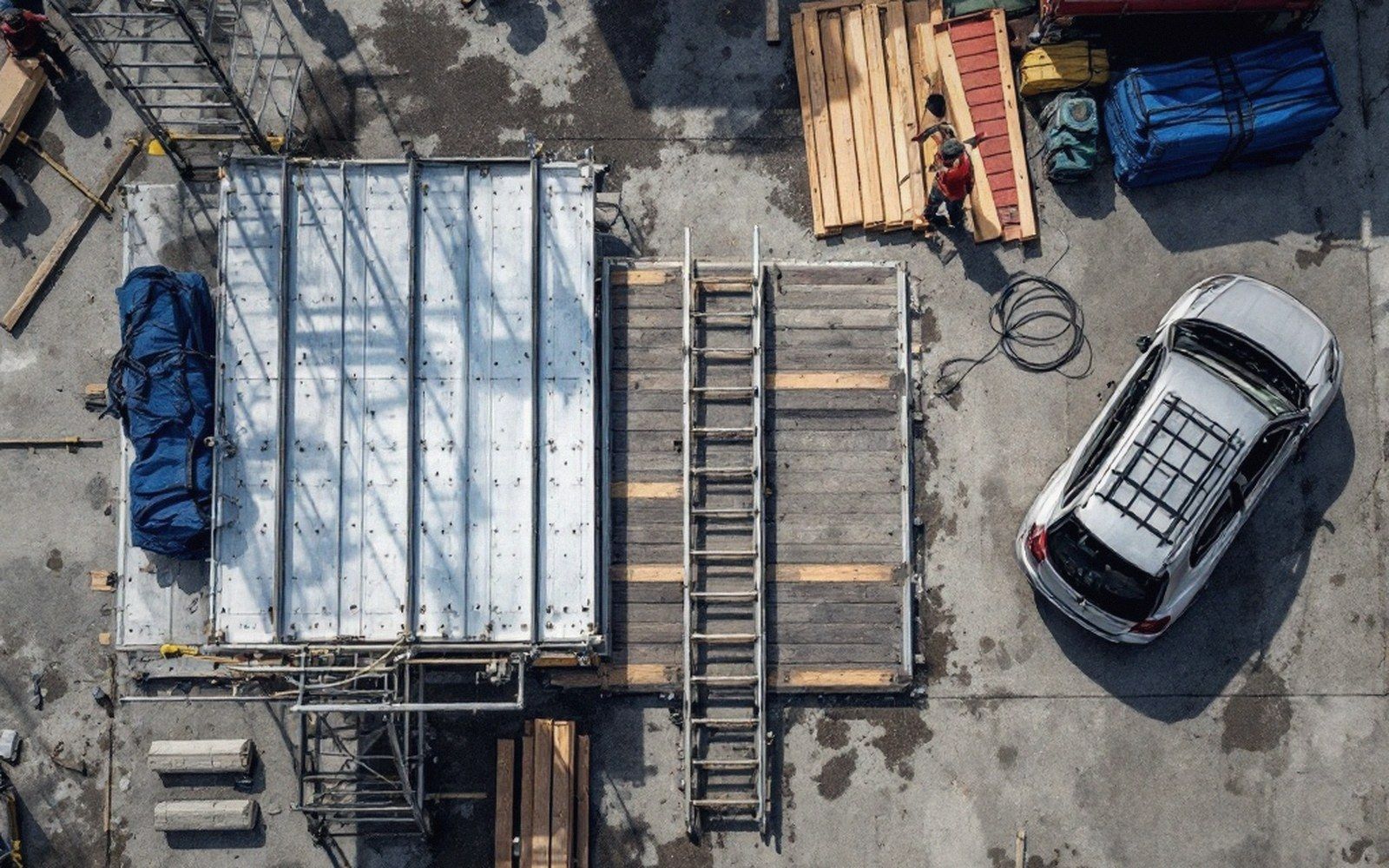
A precision arrival that works perfectly disappears into the edit. The audience watches an actor get out of a car. The coordinator watches the car arrive with the driver's window at the lens, on the beat, at the speed that makes the door swing match the score. What they are watching is a driver deliver a machine to a point in space on a count, correctly, under conditions that include weather, traffic control, road surface variance, and the knowledge that the camera car ten metres away is doing the same calculation in parallel.
That is vehicle work. The ramp is the exception. This is the practice.
From the build