Falls
The Tower Is Scenery for the Crew
- Manages
- The departure point
- Turns it into
- Height into a fixed mark
- In the hands of
- Scaffolders and the grip crew
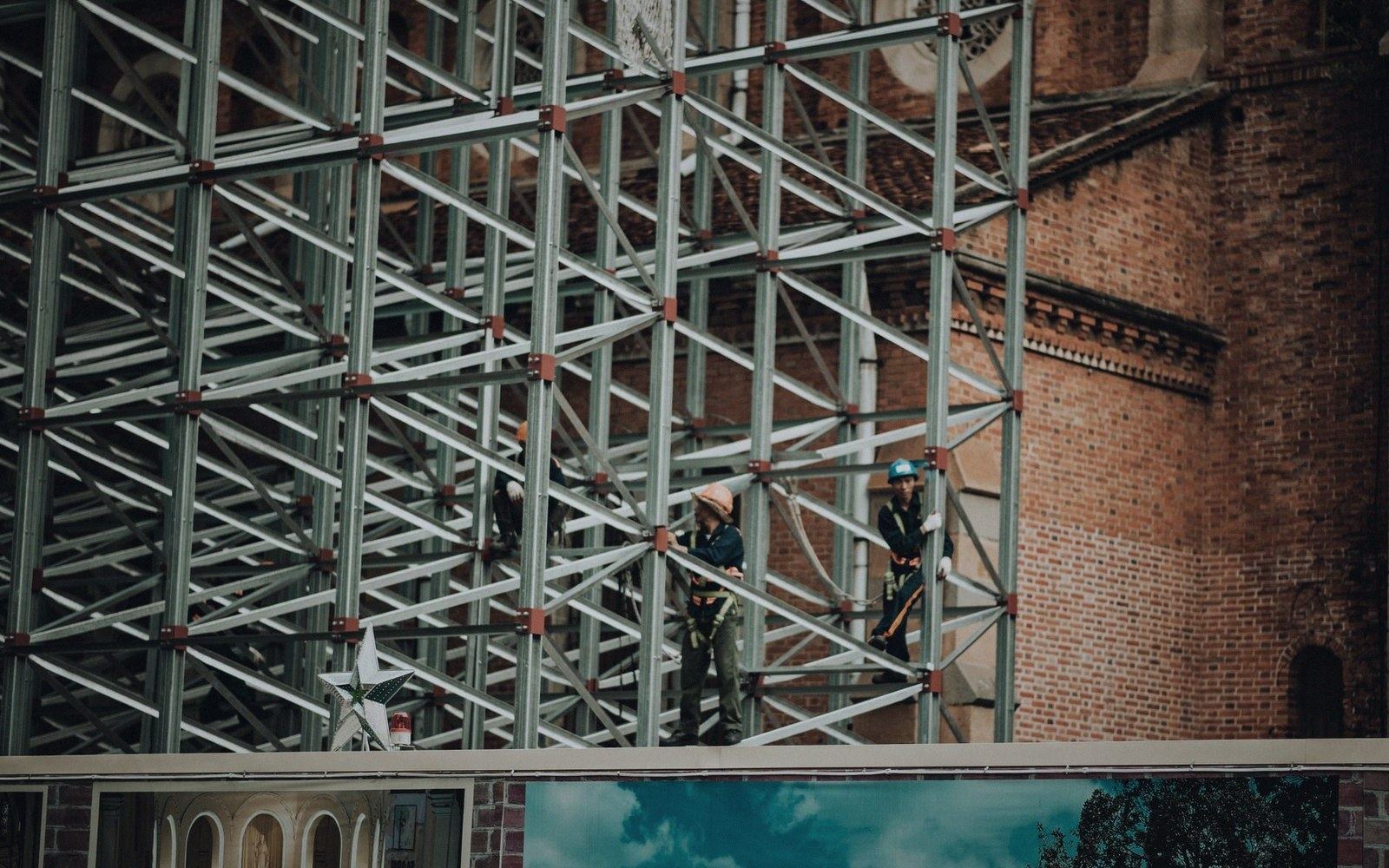
A scaffold on a film set has two jobs. The camera sees one of them.
Built Twice, in the Same Place
When a stunt calls for a fall from a construction scaffold, an industrial gantry, or a crumbling tower, the structure in frame is rarely only scenery; it is also the structure that makes the fall possible. It is both at once — and those two functions impose requirements that pull in different directions.
The art department has a visual mandate. The scaffold needs to look precarious, weathered, temporary, or vast, depending on the story. Tubes get painted. Boards get roughened. Dressing is added to suggest age, abandonment, or industrial grime. Sight lines are managed so the camera never catches a safety line running up to a spreader bar that has no business being on a building site in 1943. All of that is legitimate creative work, and it happens after the structural decisions are made — never before.
The structural mandate belongs to the stunt coordinator and the construction coordinator, working alongside a structural engineer when the rig demands it. Their scaffold is a load-rated platform at a specific height with specific attachment points, built to tolerances that the art department then works around. The sequence of authority matters: the working scaffold is designed first. The scenery is applied to it.
What the Structure Has to Carry
A performer stepping off a working scaffold is not generating the same loads as a construction worker stepping onto it. Both matter, but differently. The scaffolding industry rates structures for static and dynamic loads under building codes. A fall gag imposes a different dynamic: the performer may be arrested mid-drop by a wire, may land on a partially obscured crash pad, or may be descending on a controlled line that is fixed to the scaffold itself. Each of those choices transfers force back into the structure at a different point and in a different direction.
Attachment points for wire rigs are not wherever the tube grid happens to be. They are calculated positions, and the scaffold is built — or the existing scaffold is augmented — to take the load at those positions without the tube system racking or a coupler working loose. A tube-and-coupler scaffold is inherently adjustable, which is its advantage on a construction site; on a stunt set, that adjustability is a risk unless every joint in the load path is locked, checked, and checked again before the day of the shot. The crew doing those checks is not the same crew that dressed the set. That separation is structural, not accidental.
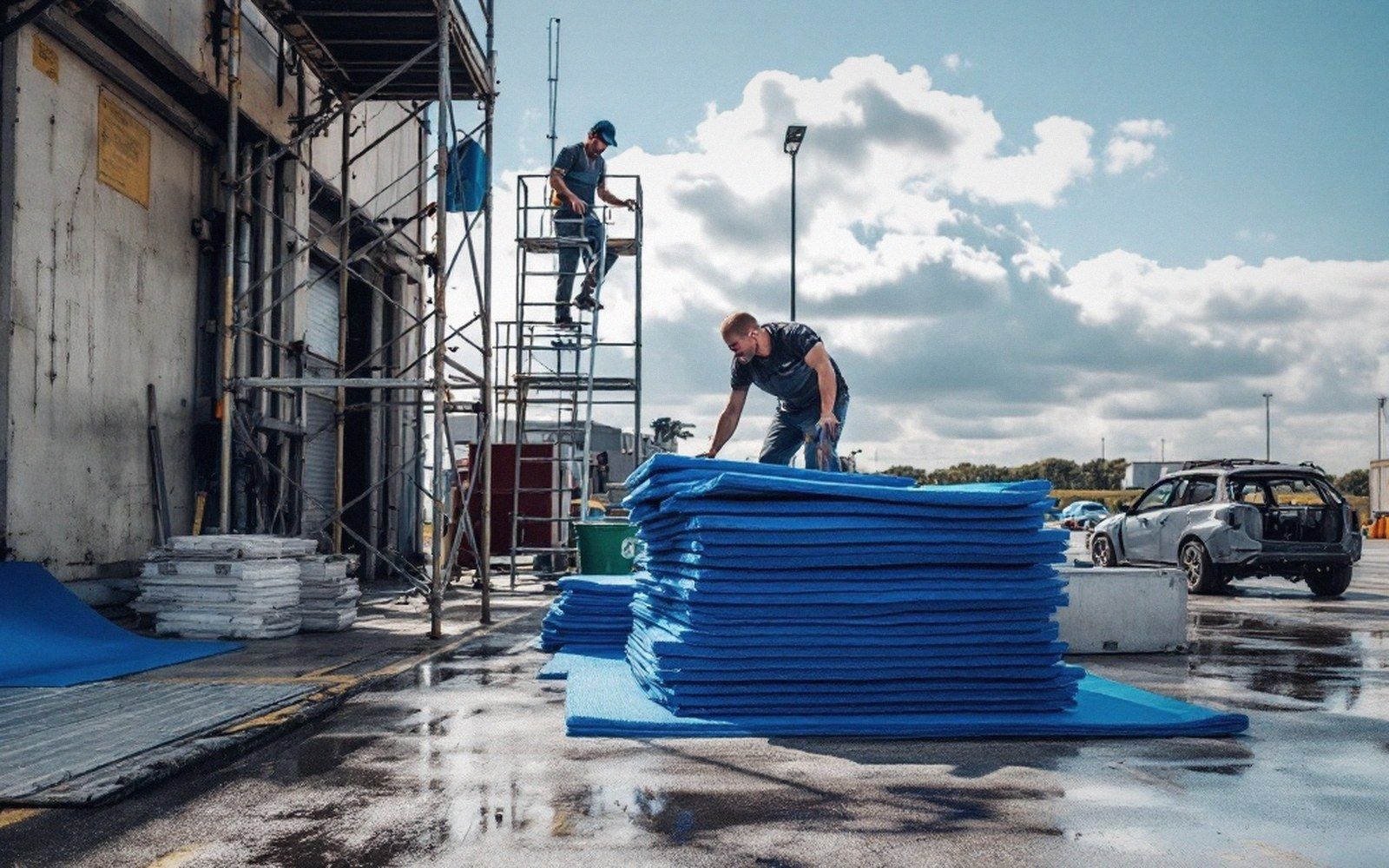
Crash pad placement introduces a second layer of geometry. The pad stack has to be where the body will be, which means it has to be positioned relative to the performer's actual trajectory, not relative to where the camera makes it look like the performer is. On a scaffold, vertical clearances are tight and intermediate platforms can obstruct a clean fall line. Entire sections of decking are sometimes removed from interior bays to create a clear channel that will never appear in the finished film. The set looks intact; the working scaffold beneath the dressing has a deliberate gap in it.
From the build
The two functions in parallel
The Camera's Problem With Safety
The visual problem with stunt-safe scaffold is that safety apparatus is large, bright, and horizontal. Crash mats are thick. Spreader frames are wide. Wire anchor points need to be above the performer's head, which often means above the top of frame, but not always. When the tower is tall enough that the camera takes in the full height, that vertical space has to be managed shot by shot.
The coordinator and the director of photography agree on frame lines before the scaffold goes up, not after. The top of frame dictates how high the wire anchor can be without appearing in shot; if that height is insufficient for the rigging, the choice is a longer lens, a lower camera, a split of the shot into two cuts, or a wire removal in post. All four are legitimate. None of them are free. The decision made on paper before construction saves the day the gag is shot from a renegotiation that nobody has the time or goodwill for.
Fire dressing on scaffold — blackened boards, scorched uprights, the suggestion that this structure barely survived whatever preceded the shot — is a particular coordination point because the real scaffold has to remain structurally sound while looking compromised. Distressed timber is assessed for genuine structural integrity before it goes on a working platform. What actually burns on a practical set and what merely looks as though it has burned are different materials performing different functions, often in the same shot.
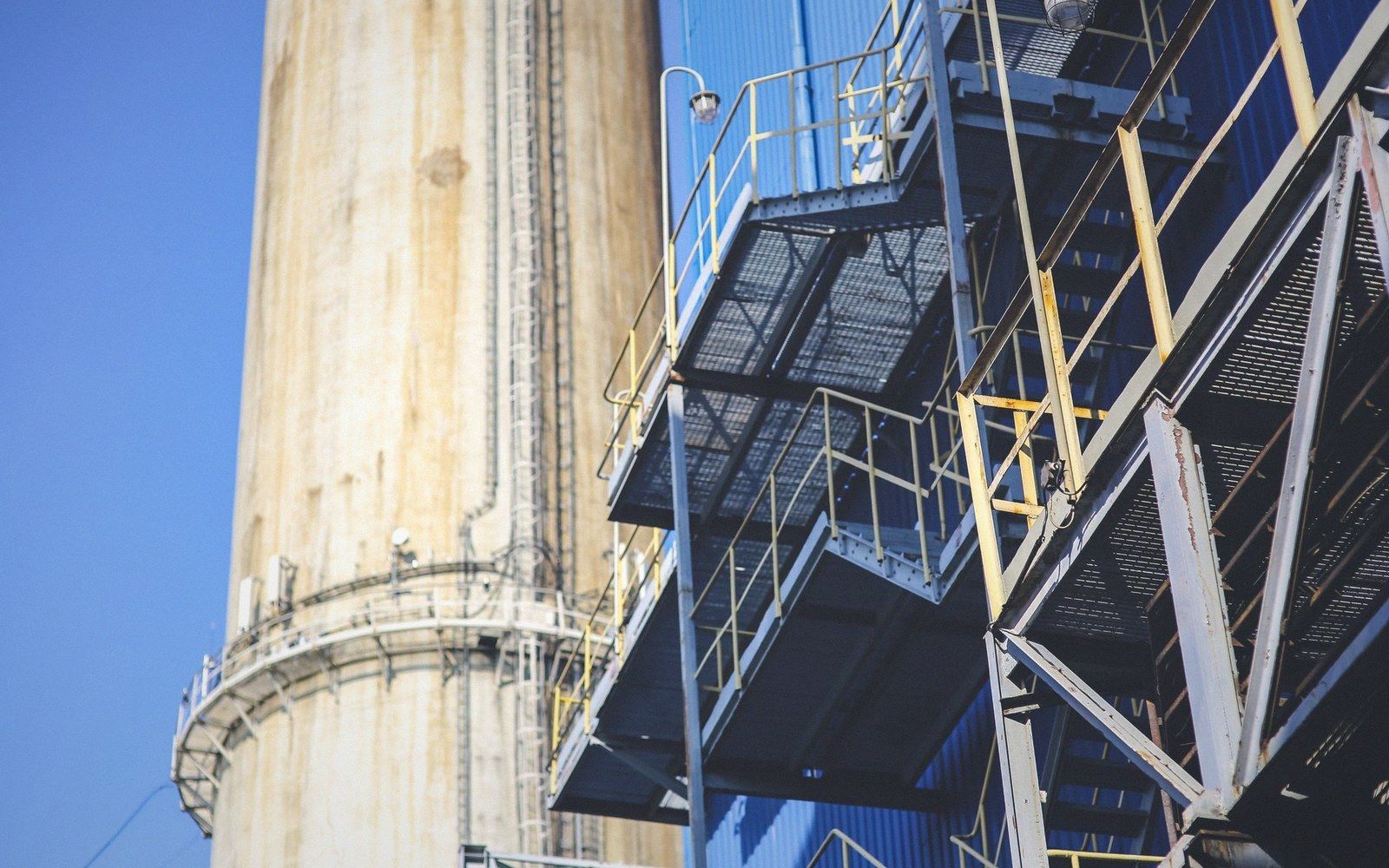
The result, when it works, is invisible. The audience sees a dangerous tower. The crew sees a rated work platform with known attachment points, cleared fall lines, pad stacks in the right bays, and a wire path that stays out of the camera's eye for the two or three seconds that the gag runs. The scaffold was built to be scenery. It was also built to be a machine, and those are the same object only because the people who designed it held both requirements in their heads simultaneously and refused to let one compromise the other.
From the build
What changes inside the structure
Second Unit is an independent publication about stunt work and practical effects. It is not an awards body, production company, training provider or industry organisation.